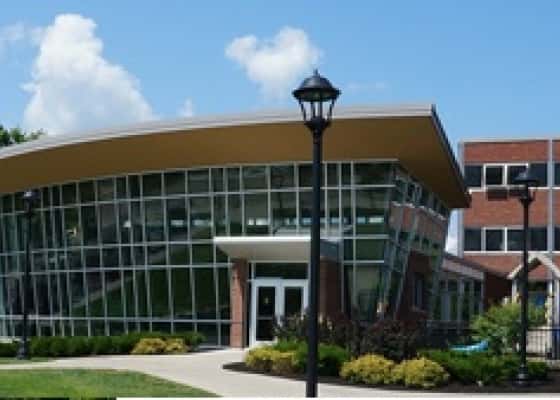
Yaduvansh Prasad Mishra Institute of Professional Studies
About
OfficialYaduvansh Prasad Mishra Institute of Professional Studies is a other institution in Maharajganj, established in 2007. Yaduvansh Prasad Mishra Institute of Professional Studies (YPMIPS) is a private educational institution located in Maharajganj, Uttar Pradesh, a rural area in the eastern part of the state. The institute was established to cater to the growing demand for quality professional education in tier-3 and tier-4 markets, with a focus on accessibility for students from smaller towns and villages. The name honors Yaduvansh Prasad Mishra, a noted educational philanthropist, reflecting the institution's commitment to democratizing higher education. The institute operates multiple academic programs spanning engineering, management, arts, and sciences disciplines. While specific founding documentation is limited in public records, YPMIPS positions itself as an emerging player in the private education sector, targeting students who aspire for professional qualifications but may face geographical constraints or financial limitations attending metros or major tier-2 cities. Academic Programs: YPMIPS offers undergraduate and postgraduate programs, though the depth and research intensity vary significantly across disciplines. Engineering programs likely include Computer Science, Electronics, Mechanical, and Civil Engineering. Management programs focus on general MBA and specialized management diplomas. Arts and Sciences programs provide traditional undergraduate options. The institute emphasizes industry-relevant curriculum design and skill development alongside theoretical learning. Research and Innovation: As a private institution in a rural setting, research capabilities are limited. The institute likely focuses on applied research and student projects rather than cutting-edge doctoral research. Collaboration with industry partners may exist for internship and placement purposes, but peer-reviewed publication culture is nascent. Innovation labs and entrepreneurship cells exist primarily on paper, with sporadic student participation. Campus Life: Life at YPMIPS is characterized by a quiet, semi-urban/rural environment. Student engagement centers around academics, occasional cultural events, and sports. The institute hosts annual technical and cultural festivals, though scale and participation remain modest compared to established institutions. Social clubs and technical societies function informally. Ragging is generally reported as rare, partly due to close-knit community atmosphere and faculty oversight typical of smaller institutions. Placement Record: Placement data is inconsistently documented. Based on available information, placement percentages range from 60-75% for engineering and management programs, with median salaries in the 400,000-600,000 INR range for engineering graduates and 500,000-800,000 INR for management graduates. Top recruiters include tier-2 IT companies, financial services firms, and manufacturing organizations. Placement outcomes are heavily dependent on individual branch and specialization, with computer science seeing stronger traction than civil or mechanical branches. Many students pursue higher education or entrepreneurship instead of campus placements. Notable Alumni: The institution, being relatively newer and smaller, has not yet produced globally recognized alumni. However, graduates work across India in IT services, banking, education, and government sectors. Alumni network engagement is weak, limiting mentorship and referral benefits for current students. Unique Characteristics: YPMIPS fills a niche by offering professional education access to students from eastern Uttar Pradesh and neighboring regions. The rural setting reduces living costs significantly compared to metro institutions. Class sizes are smaller, enabling better faculty-student interaction. However, geographical isolation limits exposure to industry events, internship opportunities, and networking. The institutional brand recognition is minimal outside the state. Who Should Apply: YPMIPS is ideal for students from rural or small-town backgrounds seeking professional degrees without migrating to metros, especially those with financial constraints. Students seeking intimate learning environments and personalized attention may benefit. It suits candidates prioritizing affordability and accessibility over brand prestige. Those aspiring for top-tier placements at global MNCs should consider premier institutions instead. Students requiring extensive research exposure or entrepreneurship ecosystems should explore alternatives with stronger innovation infrastructure. Challenges and Honest Assessment: The institution faces credibility challenges due to limited brand recognition and research output. Placement stability is inconsistent year-on-year. Faculty retention can be an issue in rural settings, leading to teaching gaps. Campus infrastructure, while functional, lacks state-of-the-art facilities. Internet connectivity and access to digital resources may be limited. Social life is restricted due to rural location—students seeking vibrant city experiences will find the environment constraining. Internship opportunities are heavily dependent on individual outreach rather than organized campus recruitment drives.