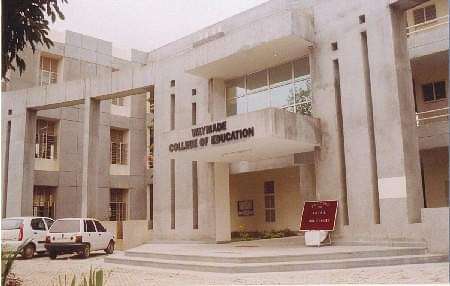
Waymade College of Education
About
OfficialWaymade College of Education is a other institution in Anand, established in 2004. Waymade College of Education, established in 1998, is a mid-sized private institution located in Anand, Gujarat, primarily focused on teacher education and education-related graduate programs. The college operates under the philosophy of preparing qualified educators for the Indian school system. While not as prominent as tier-1 institutions, Waymade serves a niche market of students aspiring to become teachers, educational administrators, and curriculum designers. The institution is affiliated with Gujarat University and offers undergraduate and postgraduate programs in Education with various specializations. Founded with the aim of bridging the gap between theory and practice in teacher training, Waymade has evolved to incorporate modern pedagogical approaches, though its infrastructure and research output remain modest compared to premier education colleges in metros. The college campus is situated in a suburban locale of Anand, providing a reasonably calm academic environment away from urban congestion, yet maintaining reasonable connectivity to the city center and neighboring areas. Academically, the institution emphasizes practical teaching methodologies, community engagement, and school-internship models. Students are expected to undertake regular teaching practice in affiliated schools across Gujarat, gaining real-world classroom experience. The curriculum is designed to align with National Council for Teacher Education (NCTE) standards and RTE Act provisions. However, the college has limited research publications and doctoral programs compared to central universities or specialized education institutions. The faculty mostly comprises experienced educators with school teaching backgrounds rather than PhDs from premier institutions. Research contributions are minimal, with no sponsored projects or grants from national agencies documented. The college does not have dedicated research labs or centers, limiting opportunities for faculty and student research beyond academic coursework. Campus facilities are basic but functional—a library with modest collection, computer labs for educational technology, and multipurpose halls for seminars. Hostel facilities exist for both male and female students, though quality is average with limited amenities. The placement scenario is unique: many graduates secure employment as teachers in government or private schools immediately after qualifying exams (like GUJCET, CTET), while others pursue further studies. Corporate placements are rare as the education sector predominantly absorbs graduates through government/school recruitment channels rather than campus drives. Student life revolves around teaching practice schedules, educational seminars, and cultural events. The college hosts annual education fests and teacher training workshops. Sports facilities are basic—a small playground and volleyball court. Mental health and academic support are available but not extensively advertised. Ragging is reportedly minimal due to the maturity of the student demographic (many pursuing education after graduation). Safety for women is generally considered good due to the serious academic environment and smaller student base. The city of Anand itself has relatively low crime rates. Waymade is most suitable for students genuinely committed to teaching careers, possessing patience for pedagogical theory, and comfortable with modest campus infrastructure. Those seeking high-impact research, startup ecosystems, or global exposure should consider alternative institutions. The college lacks the brand recognition of established education universities, which can impact job prospects outside India or in private international schools. Students from this college rarely secure positions in corporate training departments or EdTech companies due to limited exposure to industry practices. Notable strengths include affordable fees compared to urban education colleges, personalized mentoring from faculty, strong ties with local schools for internships, and a supportive peer community of education enthusiasts. Key weaknesses include outdated library resources, limited digital learning platforms, weak alumni networks, minimal international collaborations, and restricted higher education pathways post-graduation. The institution serves a regional, middle-class demographic seeking affordable teacher training rather than globally competitive graduates.