Vasireddy Venkatadri International Technological University
About
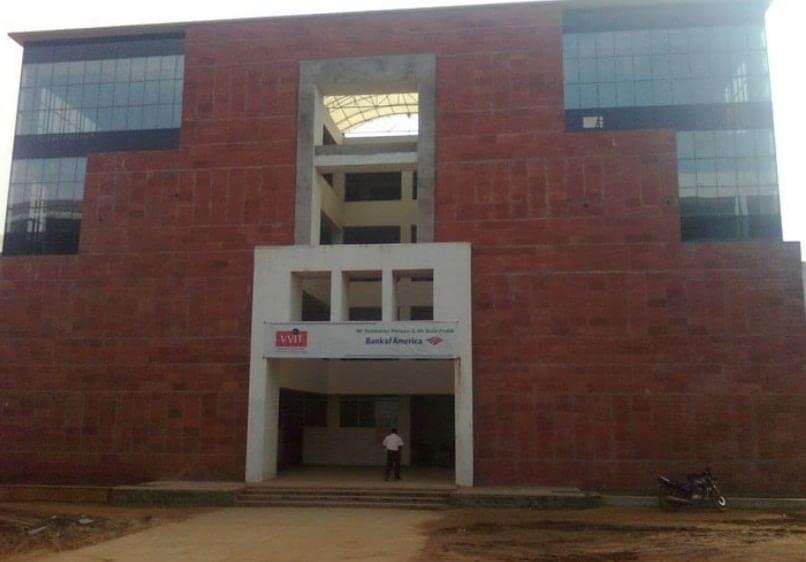
OfficialVasireddy Venkatadri International Technological University is a other institution in Guntur, established in 2007. Vasireddy Venkatadri International Technological University (VVIT), established in 2008, is a private engineering-focused institution located in Guntur, Andhra Pradesh. Founded by the Vasireddy Group, the university emerged during a period of significant expansion in private technical education in India. While not as historically established as premier government institutions, VVIT has carved a niche as a comprehensive technical university with a focus on undergraduate engineering programs and emerging research initiatives. The campus is situated approximately 12 km from Guntur city center in a suburban setting, providing a relatively peaceful academic environment while maintaining reasonable accessibility to urban facilities. VVIT operates primarily as an undergraduate engineering-focused institution with increasing offerings at the postgraduate level. The university offers diverse engineering disciplines including Computer Science & Engineering, Electronics & Communication Engineering, Mechanical Engineering, Civil Engineering, and Electrical & Electronics Engineering, along with newer programs in specializations like Artificial Intelligence, Data Science, and IoT. The institution has progressively expanded to include management, pharmacy, and humanities programs to create a more holistic educational ecosystem. The faculty strength stands at approximately 420 members, with a significant portion holding advanced degrees from Indian and international universities, though the PhD percentage remains around 35-40%, which is below the national benchmark for technical universities. VVIT's academic approach emphasizes industry collaboration and practical skill development. The university maintains partnerships with companies like TCS, Infosys, Wipro, and HCL, which facilitate curriculum design aligned with industry requirements. Multiple in-house innovation labs and maker spaces have been established to encourage entrepreneurial thinking among students. However, it is important to note that as a younger private institution, VVIT lacks the research maturity and publication record of tier-1 institutions like IITs and older NITs. Research output measured by peer-reviewed publications remains modest, with most research concentrated in applied engineering and technology domains rather than fundamental science. The university has obtained NAAC accreditation (B grade as of last assessment) and seeks to strengthen its academic credentials through systematic quality improvement initiatives. Placement outcomes have been a strong point for VVIT, particularly for Computer Science and IT-related branches. Recent placement statistics indicate 85-90% placement rates across engineering programs, with median salaries in the range of 4.5-6 lakhs annually for engineering graduates. Top recruiters include major IT consulting firms, software companies, and core engineering organizations. However, placement outcomes show significant variance across branches—CSE and IT branches perform exceptionally well, while civil and mechanical branches struggle with lower placement percentages (60-70%) and lower salary packages. The campus infrastructure has developed considerably since inception, featuring modern computer labs, a reasonably equipped library with digital resources, and adequate sports facilities. Internet connectivity across the campus has improved significantly, though occasional coverage gaps persist in certain hostel blocks. The hostel facility accommodates approximately 60% of the student population, with separate blocks for men and women. Hostel life is generally functional but basic—amenities include basic furniture, attached bathrooms, and 24/7 water supply, though residents frequently report space constraints and occasional maintenance issues. The mess facilities provide vegetarian and non-vegetarian options, with quality varying seasonally. The student population at VVIT is quite diverse, drawing students primarily from Andhra Pradesh and Telangana, with growing representation from across India. Many students come from first-generation college-going backgrounds, viewing VVIT as an accessible pathway to engineering education with improved placement prospects compared to regional government colleges. The campus culture reflects a blend of focused academics and developing extracurricular engagement. Multiple technical clubs, cultural societies, and sports teams operate with varying levels of student participation and institutional support. Annual events like TechFest and cultural festivals are organized, though their scale remains modest compared to larger institutions. The university has made concerted efforts to promote women's participation in engineering, with women constituting approximately 25-30% of the student body—higher than traditional engineering college averages but still below national targets for gender diversity. Who should apply to VVIT: Students seeking undergraduate engineering education at a private institution with decent placement outcomes, particularly those targeting IT and CSE branches; first-generation learners viewing this as a stepping stone for career advancement; students from Andhra Pradesh and neighboring states seeking to study close to home; those interested in a relatively new institution with contemporary infrastructure and evolving academic programs. Who should be cautious: Students with strong JEE Main scores who can gain admission to established NITs or older private engineering colleges with stronger reputations; those prioritizing research-intensive education and academic rigor comparable to tier-1 institutions; students seeking metropolitan campus experiences and extensive alumni networks; those in non-CSE branches like civil or mechanical engineering, where placement outcomes are notably weaker.