Vinayaka Mission s Avaitaion Academy
About
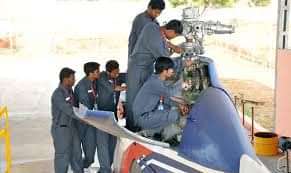
OfficialVinayaka Mission s Avaitaion Academy is a other institution in Salem. Vinayaka Mission's Aviation Academy (VMAA) is a specialized institution established in 2008 under the aegis of Vinayaka Mission's Research Foundation, one of India's oldest educational and philanthropic organizations dating back to 1881. Located in Salem, Tamil Nadu, VMAA represents a focused attempt to create an academic hub dedicated exclusively to aviation and aerospace education in India's growing aviation sector. The academy sits on a 45-acre suburban campus on the outskirts of Salem, designed specifically to accommodate flight training infrastructure alongside classroom academics. The institution was conceived during a period of rapid expansion in India's civil aviation sector, recognizing the critical shortage of trained pilots, aircraft maintenance engineers, and aviation management professionals. VMAA's primary mission is to produce skilled aviation professionals who can meet international standards and contribute to India's aviation industry's growth. Founded with support from the Directorate General of Civil Aviation (DGCA), the academy operates under strict regulatory oversight, making it one of the few institutions in India with direct DGCA oversight for pilot training programs. The academy offers integrated programs in aviation spanning undergraduate diplomas to degree programs. Its academic structure combines theoretical classroom instruction with hands-on practical training, utilizing a fleet of training aircraft and advanced flight simulators. The institution has partnerships with international aviation training organizations, bringing global best practices into the Indian aviation education space. VMAA's unique positioning is its focus on the complete aviation ecosystem—not just pilot training but also aircraft maintenance engineering, aviation management, and air traffic control studies. This comprehensive approach sets it apart from standalone flying clubs or pilot training schools. The campus infrastructure includes a functional airstrip for flight training, aircraft hangars, flight simulators (both fixed-base and motion simulators), advanced avionics labs, and dedicated ground school facilities. The academy has invested significantly in modern learning infrastructure including computer-aided design (CAD) labs, aircraft systems laboratories, and engine testing facilities. Faculty members include experienced pilots (many with military backgrounds), aircraft engineers with decades of industry experience, and aviation management professionals. The student body is relatively small compared to mainstream engineering colleges, averaging 50-60 students per batch, allowing for personalized attention and mentorship. This creates an intimate learning environment where direct interaction with experienced aviation professionals is the norm. Placement outcomes in aviation have historically been strong due to the sector's growth and the specialized nature of training. Graduates typically secure positions with airlines (both domestic like IndiGo, SpiceJet, Air India, and international carriers), aircraft maintenance organizations, flight training schools, airports, and aerospace manufacturers. However, placement rates can fluctuate based on aviation industry cycles—the COVID-19 pandemic severely impacted aviation sector hiring, and recovery has been gradual. Recent batches (2022-24) have seen improving placements as the sector rebounds. The academy's notable alumni include several commercial pilots flying for major international airlines, aircraft maintenance engineers working with Boeing and Airbus facilities in India, and aviation managers in senior positions at airports and airline operations. The institution has also produced entrepreneurs who have started aviation-related businesses. VMAA's unique advantage is credibility with the aviation industry—DGCA recognition means employers immediately recognize the institution's standards. However, prospective students should be aware that aviation education is expensive, involving substantial aircraft operating costs that are reflected in fees. The sector is also highly specialized, so career flexibility is lower compared to general engineering—if a student cannot secure an aviation position, lateral movement to other sectors is limited. The institution is not a large-scale degree factory; it emphasizes quality over quantity, maintaining selective admissions and rigorous standards. For students genuinely passionate about aviation, with the financial means to pursue it, and realistic about the sector's volatility, VMAA offers world-class specialized training. For those seeking a broad engineering education with diverse career options, mainstream engineering colleges may be more suitable. The academy's location in Salem, while providing a quieter environment for studies, means limited exposure to major metropolitan areas and fewer internship opportunities in other sectors. The climate is hot and dry, which is ideal for flight operations year-round. Campus culture emphasizes discipline, precision, and safety—values fundamental to aviation. Student life, while smaller than mainstream colleges, is close-knit, with shared passion for aviation bonding the community. The institution continues to evolve, with ongoing infrastructure expansions and increased partnerships with international aviation bodies.