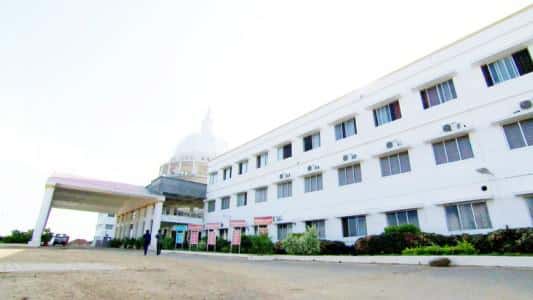
Aarupadai Veedu Institute of Technology, Chennai - A Constituent College of Vinayaka Mission's Research Foundation
About
OfficialAarupadai Veedu Institute of Technology, Chennai - A Constituent College of Vinayaka Mission's Research Foundation is a other institution in Chennai, established in 1998. Aarupadai Veedu Institute of Technology (AVIT) is a constituent college of Vinayaka Mission's Research Foundation (VMRF), established in 1999 in Kanchipuram district, approximately 50 km from Chennai. The institution is part of the larger VMRF educational ecosystem, which encompasses a multi-specialty hospital, dental college, and nursing college, creating a unique integrated learning environment. AVIT is approved by AICTE and affiliated with Anna University, serving as a private engineering institution in Tamil Nadu's educational landscape. The college offers 8 undergraduate engineering programs with a total intake of approximately 540 students per year, plus postgraduate programs across multiple disciplines. The engineering programs span Computer Science and Engineering, Electronics and Communication Engineering, Electrical and Electronics Engineering, Mechanical Engineering, Civil Engineering, Information Technology, Biomedical Engineering, and Chemical Engineering. The undergraduate curriculum follows Anna University regulations but incorporates industry-relevant skill modules and internship requirements. Postgraduate programs in Engineering, Management, and Science are also offered, attracting students seeking specialization. Academic strengths lie in applied engineering education with emphasis on practical training. The faculty comprises experienced educators, with approximately 68% holding PhDs or pursuing doctoral research. Research initiatives focus on renewable energy, smart materials, biomedical device development, and data analytics. The college has established MoUs with over 30 industry partners including TCS, Infosys, Wipro, and Bajaj Auto, facilitating student internships and collaborative projects. Placement records show consistent performance with 85-90% placement rates for UG students. The 2023-24 academic year recorded average salaries around 450,000-500,000 INR for engineering graduates, with top placements exceeding 1,200,000 INR in specialized roles. Core engineering recruitment happens, but technology sector dominates with 65-70% of graduates joining IT companies. Finance and consulting placements constitute 15-20%, while remaining percentages distribute across manufacturing and healthcare sectors. Campus infrastructure includes a modern library with 45,000+ volumes, computing facilities with 400+ computers, dedicated research laboratories, a health center, hostel accommodations for approximately 600 students, cafeteria, sports complex with cricket ground and volleyball courts, and WiFi coverage across campus. The college has invested in simulation labs for engineering disciplines and entrepreneurship incubation centers. However, infrastructure quality varies—newer facilities in academic blocks contrast with aging hostel infrastructure in some sections. Student life encompasses 20+ clubs covering technical, cultural, and sports categories. Annual fests include Arudra (technical), Arutchalaa (cultural), and inter-college competitions. Sports programs are reasonable with facilities for cricket, volleyball, badminton, and athletics, though resources for niche sports are limited. The college maintains strict no-ragging policies with documented monitoring systems. Locationally, AVIT sits in a suburban setting approximately 50 km from Chennai city center, reducing cost of living but increasing commute times. The nearest railway station is 12 km away (Chengalpattu), making private transport or campus shuttle reliance necessary. This suburban position suits students seeking quieter academic environments but inconveniences those wanting regular access to city entertainment and services. The institution attracts engineering aspirants from TN, AP, and Karnataka through TNEA counseling and direct admissions. Typical AVIT students come from middle to upper-middle-class backgrounds, are serious about engineering careers, and appreciate the structured, traditional curriculum approach. The college suits disciplined learners comfortable with relatively conservative campus culture and limited cosmopolitan exposure compared to city-based peers. Weaknesses include limited research publication output compared to top-tier institutions, campus isolation affecting student networking diversity, moderate alumni network depth outside engineering sectors, and competitive pressure from IITs/NITs that attracts top talent away. The institution also faces infrastructure aging in hostels and requires modernization in certain laboratory facilities. Notable achievements include NAAC accreditation, NBA accreditation for engineering programs, consistent placement success, and growing industry recognition in software and hardware domains. The integrated VMRF ecosystem provides unique healthcare exposure opportunities for biomedical engineering students.