Vidyashilp University
About
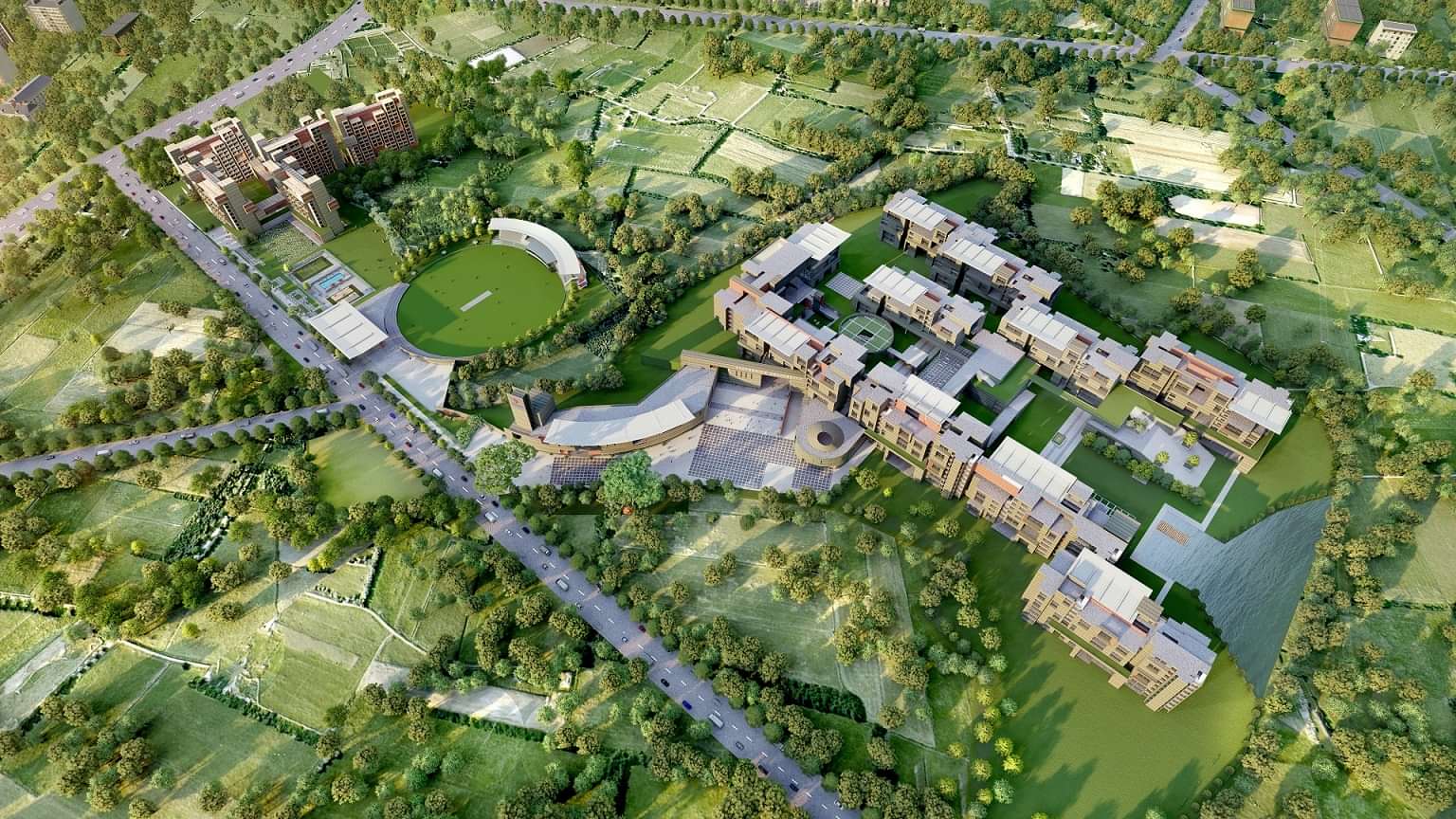
OfficialVidyashilp University is a other institution in Bengaluru. Vidyashilp University, established in 2006, is a private institution located in Bengaluru's developing HSR Layout Extension. Initially operating as Vidyashilp Academy of Higher Education, it gained university status in 2013 from the Government of Karnataka. The institution positions itself as a bridge between academic excellence and industry readiness, with a particular focus on technology, engineering, and design disciplines. The university operates across multiple faculties including Engineering, Management, Design, and Liberal Arts. Its engineering programs span mechanical, civil, electrical, electronics, and computer science disciplines. The management school offers MBA programs with specializations in finance, HR, operations, and marketing. A distinguishing feature is the Design school, which offers undergraduate and postgraduate programs in Product Design and Interaction Design, reflecting Bengaluru's growing design ecosystem. The Liberal Arts college provides alternative undergraduate pathways with interdisciplinary curricula. Academically, Vidyashilp emphasizes project-based learning, internship integration, and industry partnerships. The university claims partnerships with over 150 companies for internship placements, research collaborations, and guest lectures. Research strengths lie in advanced manufacturing, IoT applications, renewable energy systems, and human-centered design. While not a premier institution like IITs or top NITs, Vidyashilp has developed niche strengths in design education and product innovation, areas where major IT companies increasingly recruit. Placements have improved incrementally. For engineering (2023-24), approximately 78-82% placement rates are reported, with median salary packages around 5.5-6.5 LPA for core engineering roles and 7-9 LPA for computer science. Management graduates report better outcomes (85-90% placement) with median packages of 8-12 LPA. However, placement statistics are not independently verified, and success is highly branch-dependent—CS and IT graduates have significantly better prospects than mechanical or civil engineering graduates. Campus infrastructure is adequate but not exceptional. The 12.5-acre suburban campus houses dedicated engineering labs with industry-standard equipment, design studios with CAD software and 3D printing facilities, a 60,000+ book library, computer centers, and dedicated research facilities. The campus underwent renovation in 2015-2017, improving academic spaces but hostel facilities remain basic. Wi-Fi coverage is patchy outside central academic blocks. Hostel accommodations are available for approximately 800 students across separate boys' and girls' facilities; quality ranges from acceptable to below-average, with basic amenities. Campus life is moderate. The university hosts annual technical fests (TechVision), cultural programs, and several student clubs focused on robotics, entrepreneurship, and design. Sports facilities include a basketball court, badminton courts, and a small gymnasium, though not comprehensive. Mental health and counseling services exist but are understaffed. Ragging incidents have been rare in recent years due to strict institutional policies, and safety for women students is generally reported as satisfactory, though off-campus safety depends on specific areas of residence. Who should apply: Vidyashilp is suitable for students seeking engineering or design education outside the top tier, particularly those interested in practical industry exposure, project-based learning, and design specialization. The university appeals to students from middle-class backgrounds willing to invest in a private institution with developing reputation. It is NOT recommended for students seeking world-class research environments, extensive international exposure, or prestige-driven campus brands. Realistic expectations regarding placement outcomes and salary packages are essential—this is a respectable second-rung institution in Bengaluru's private education landscape, not a substitute for top-tier colleges but a viable alternative to lower-ranked engineering colleges. Notable strengths include affordable compared to premium private universities, active industry engagement, growing design program reputation, and reasonable ROI for certain disciplines. Key weaknesses include inconsistent placement outcomes, limited research output compared to peer institutions, basic hostel facilities, limited alumni network for networking, and modest global recognition. The university appeals most to pragmatic students prioritizing skill development and employment over institutional prestige.