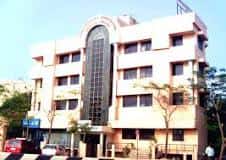
Venkateswara Homoeopathic Medical College and Hospital
About
OfficialVenkateswara Homoeopathic Medical College and Hospital is a other institution in Chennai, established in 2000. Venkateswara Homoeopathic Medical College and Hospital (VHMCH) is a private homoeopathic institution established in 1995, located in the Osmania University campus area in Hyderabad, Telangana. Though registered in Hyderabad, it operates a significant teaching hospital and college presence in Chennai, Tamil Nadu, catering to aspiring homoeopathic practitioners across South India. The college is recognized by the Central Council for Research in Indian Medicine (CCRIM) and the Ministry of AYUSH, making it a legitimate homoeopathic medical education provider. VHMCH was founded with the vision of revitalizing traditional homoeopathic medicine education and practice through rigorous academic standards and clinical excellence. The institution operates under the regulations of the National Commission for Homoeopathy (NCH) and conducts undergraduate and postgraduate programs in various homoeopathic disciplines. The college offers a 5.5-year integrated Bachelor of Homoeopathic Medicine and Surgery (BHMS) program, followed by 1-year mandatory rotating internship. This makes it a comprehensive medical education institution within India's AYUSH sector. The academic curriculum is designed to integrate theoretical knowledge with practical clinical exposure, with students gaining hands-on experience through the college's affiliated hospital facility. The teaching methodology combines classical homoeopathic theory, modern medical sciences (anatomy, physiology, biochemistry, pathology), pharmacology, pharmacy, and extensive clinical practice. Students study materia medica extensively, which is fundamental to homoeopathic prescribing. The institution maintains a dedicated pharmacy for preparing homoeopathic remedies and medicines, giving students practical experience in pharmaceutical preparation. The college library houses both classical homoeopathic texts and modern medical literature, though physical resources are somewhat limited compared to allopathic medical colleges. The faculty includes experienced homoeopaths, some with dual qualifications in conventional medicine, ensuring comprehensive medical education. Several faculty members have publications in homoeopathic journals and present at national conferences, contributing modestly to homoeopathic research in India. The college conducts regular seminars, case study presentations, and clinical rounds that provide intellectual engagement beyond textbook learning. Postgraduate programs include MD (Doctor of Medicine) in various branches such as Organon of Medicine, Materia Medica, Pharmacy, Practice of Medicine, and Surgery & Obstetrics. These 3-year doctoral programs attract students seeking specialization and teaching aspirations within homoeopathic medicine. Research activities are limited but focused on validating homoeopathic remedies, clinical efficacy studies, and case documentations. The institution participates in inter-college academic forums and conferences organized by homoeopathic councils. Placement for BHMS graduates primarily focuses on hospital practice, private clinics, pharmaceutical companies manufacturing homoeopathic medicines, and regulatory bodies under AYUSH ministry. While placement percentages are reasonable for homoeopathic graduates, salaries tend to be lower than allopathic medicine due to the niche market. Many graduates establish independent practices or work in homoeopathic hospital chains across India. Some pursue additional certifications in specialized therapies like homeopuncture or constitutional prescribing to enhance employability. The campus life is relatively modest. The college has hostel facilities for both male and female students, though accommodation is tight given the limited campus area. The institution encourages cultural participation through annual college fests and sports days. Student clubs focus on clinical skills, case discussion groups, and homoeopathic philosophy appreciation. The college emphasizes professional ethics and patient-centered care as core values. Ragging incidents are minimal, and the institution maintains strict disciplinary codes. Safety for women students is generally good with separate hostel blocks, security staff, and awareness programs. Admission to BHMS is based on NEET scores, with applicants requiring a minimum qualifying percentile. The college attracts students passionate about alternative medicine, those with philosophical inclinations toward holistic healing, and candidates seeking avenues beyond conventional allopathy. The institution is best suited for students with genuine interest in homoeopathic philosophy and practice, not those viewing it as a backup option to allopathic medicine. Notable alumni include practitioners who have established successful homoeopathic clinics, hospital directors within AYUSH networks, and consultants to pharmaceutical companies. Some alumni have pursued international recognition and practice licenses in countries recognizing homoeopathy. The college maintains moderate alumni engagement through occasional reunions and professional networking events. What makes VHMCH unique is its commitment to quality homoeopathic education within the AYUSH framework during a period of growing recognition of integrative medicine in India. The college serves students who value traditional medicine systems and seek professional credentials to practice homoeopathy. It bridges classical homoeopathic knowledge with contemporary medical sciences, preparing graduates for modern healthcare environments. The institution is honest about homoeopathy's positioning in India's healthcare ecosystem—it is not a replacement for allopathy but rather a complementary system with specific efficacy in certain conditions. Students should understand that career growth in homoeopathy requires building individual practice reputation, specialized certifications, and often establishing independent clinics. Corporate healthcare largely favors allopathic practitioners, limiting employed positions. However, for those genuinely committed to homoeopathic practice and philosophy, the college provides authentic education and networking. The institutional infrastructure is developing but not comparable to major allopathic medical colleges. Library resources, research facilities, and equipment are functional but basic. Hostel spaces are cramped. The city of Hyderabad offers vibrant cultural and academic environments, though the college's presence in Chennai serves regional students better. Overall, VHMCH is recommended for students with authentic interest in homoeopathy, those seeking alternative medical careers, and individuals who value the philosophical underpinnings of homoeopathic medicine. It is not recommended for students seeking allopathic medicine credentials or those uncertain about their commitment to homoeopathy as a profession.