Veltech University Andhra Pradesh Owned by RS Trust
About
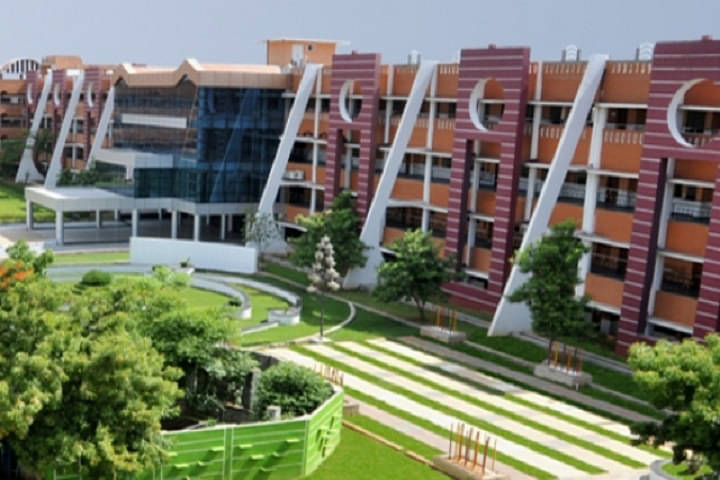
OfficialVeltech University Andhra Pradesh Owned by RS Trust is a other institution in Tirupati, established in 2007. Veltech University Andhra Pradesh, established in 2008 and owned by RS Trust, is a private engineering and technology-focused institution located in Vadlamudi near Tirupati. The university was created as an extension of Veltech's success in Tamil Nadu and has positioned itself as a regional engineering hub in Andhra Pradesh. The institution operates under the governance of RS Trust, a Chennai-based educational trust with a track record in technical education. Veltech AP offers undergraduate and postgraduate programs primarily in engineering disciplines, with a focus on emerging technologies and practical skill development. The university is NAAC accredited (Grade B) and holds NBA accreditation for several engineering programs, indicating adherence to national quality standards. The academic structure emphasizes industry-relevant curriculum, with tie-ups for internships and projects with IT companies, manufacturing firms, and startups. The institution has made significant infrastructure investments including modern laboratory facilities, computing centers, and a digital library. However, as a private institution, fees are substantially higher than government engineering colleges. The placement cell actively engages with recruiters from IT services, core engineering, and manufacturing sectors. The university's location in Tirupati, a tier-3 city sacred to Hindu pilgrims, offers a serene academic environment but limited metropolitan job market exposure compared to tier-1 cities. Student intake has grown steadily, and the institution maintains reasonable faculty-to-student ratios. Research activities are emerging, with some faculty engaged in sponsored projects and publications. The hostel infrastructure has expanded to accommodate increasing student numbers. Campus facilities include a health center, sports complex, and multiple dining options. The university actively promotes entrepreneurship through incubation cells and innovation labs. Financial assistance programs exist for meritorious and economically weaker sections. The institution is transparent about its admission process, using counseling-based allocation rather than merit-based lottery. Key strengths include accreditation, placement infrastructure, and industry connections; key concerns include the private institution fee structure, limited alumni network compared to older institutions, and the tier-3 city location limiting exposure to major metropolitan job markets. The institution is best suited for students from middle to upper-middle-class backgrounds seeking quality engineering education outside major metros, with strong aptitude in technical subjects and willingness to adapt to a semi-urban environment. First-generation professionals and those targeting tier-2 Indian cities for careers find this institution suitable. The culture emphasizes both academics and holistic development, with regular industry interactions and skill enhancement workshops.