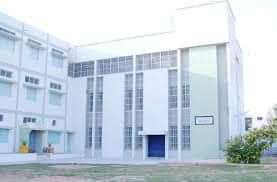
Sheth V.S. Law College
About
OfficialSheth V.S. Law College is a other institution in Unjha, established in 1969. Sheth V.S. Law College, established in 1951 by the Sheth family of Unjha (a prominent textile trading community), is one of Gujarat's oldest private law institutions serving the Mehsana district. Located in the small town of Unjha in North Gujarat, the college holds significant regional importance and has been affiliated with Gujarat University for over seven decades. The institution was founded with the vision of providing accessible legal education to students from semi-urban and rural backgrounds who would otherwise have limited access to quality law colleges. The college is named after Shethji V.S., a respected philanthropist and businessman known for his contributions to education and community development. The campus, though modest in size, is strategically located near Unjha Railway Station, making it relatively accessible despite the town's rural setting. The college primarily offers undergraduate and postgraduate law programs, with a focus on traditional legal education covering constitutional law, criminal law, civil law, family law, and commercial law. The institution has gradually modernized its curriculum to include contemporary legal subjects such as intellectual property law, environmental law, and cyber law, though these additions remain limited compared to metropolitan law colleges. The faculty comprises academics with backgrounds from Gujarat University and other regional institutions, many of whom have practical experience in legal practice, judiciary, or legal advocacy. The college maintains a library with over 8,000 books covering major legal texts, case reports, and legal journals, though digital resources remain limited. The teaching methodology emphasizes traditional lecture-based approaches with increasing incorporation of case study methods and moot courts. Student research and publication opportunities are minimal, with the college focusing primarily on teaching rather than research output. The institution has produced several lawyers practicing in District Courts, High Courts, and in legal practice across North Gujarat and neighboring states. Notable alumni include advocates working in civil litigation, criminal law, and corporate sectors across Gujarat. The college's placement record is modest but respectable for a tier-3 law college, with most placements occurring in legal practice, law firms, and corporate legal departments in Gujarat. Admission is primarily through merit-based selection considering 12th-grade marks and performance in entrance tests conducted by the college itself. The college does not participate in national-level entrance examinations like CLAT or RAJCO. The institution maintains strong ties with the local business community and bar associations, facilitating internship opportunities and guest lectures by practicing advocates. The college infrastructure includes adequate classroom facilities, seminar halls, a moot court, and basic computer labs. However, facilities like modern legal research databases, international law journals, and advanced IT infrastructure lag behind metropolitan law colleges. The student community primarily comprises aspirants from Gujarat, particularly from North Gujarat towns and surrounding districts, with very few interstate students. Campus life revolves around traditional law college activities including moot courts, legal debates, legal aid camps, and cultural programs. The college operates a legal aid clinic providing free legal assistance to economically disadvantaged sections in Unjha and surrounding villages, which is a notable social contribution. The college maintains a conservative institutional culture with emphasis on professional conduct and legal ethics. Student safety is generally good, with a close-knit community atmosphere typical of small-town institutions. The college is not known for any particularly strong research initiatives, innovation labs, or entrepreneurship programs. It serves primarily as a regional law college for students seeking traditional legal education leading to bar practice, and is best suited for candidates who prioritize practical legal training, a personalized learning environment, and access to judicial and legal professional networks in North Gujarat. The institution is most appropriate for students from Gujarat who wish to practice law in district and high courts within the state, or who seek a lower-cost alternative to metropolitan law colleges while accepting a more traditional, less technology-enabled learning environment. Students considering this college should be prepared for rural-town living conditions, limited cosmopolitan amenities, and a regional rather than national placement focus.