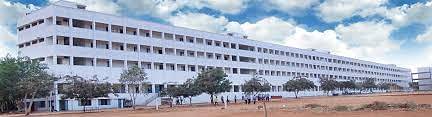
Theni Kammavar Sangam Polytechnic College
About
OfficialTheni Kammavar Sangam Polytechnic College is a other institution in Theni, established in 1972. Theni Kammavar Sangam Polytechnic College (TKSP) is a government-aided polytechnic institution established in 1984 in Theni, Tamil Nadu. The college operates under the Tamil Nadu Directorate of Technical Education (DOTE) and serves as a premier diploma engineering college in the Theni district. The institution was founded with the mission to provide quality technical education accessible to students from middle and lower-middle-income backgrounds, particularly emphasizing skill development and industry-ready training. The college is located on the outskirts of Theni town, in a suburban setting that provides a quieter learning environment while maintaining reasonable connectivity to the city center. TKSP offers 8 major diploma programs in engineering disciplines including Civil Engineering, Mechanical Engineering, Electrical and Electronics Engineering, Electronics and Communication Engineering, Computer Science and Engineering, Automobile Engineering, and Manufacturing Engineering. The institution has gradually expanded its offerings to include specialized programs aligned with current industry demands. The college emphasizes a balance between theoretical knowledge and practical skill development, with significant investment in laboratory facilities and workshop infrastructure. Academic programs are delivered across 3 years (6 semesters) following the Tamil Nadu Polytechnic curriculum prescribed by the DOTE. The faculty base consists of 85 permanent and contractual staff members, with approximately 45% holding postgraduate qualifications and some pursuing doctoral studies. The college maintains consistent industry partnerships with companies like Bosch, TVS, Ashok Leyland, and various automotive and manufacturing sectors prevalent in southern Tamil Nadu. The placement cell actively coordinates with recruitment drives, with recent placement percentages ranging between 65-75% for engineering graduates. The college infrastructure includes well-equipped laboratories for each discipline, a library with approximately 8,000 volumes and digital access to technical journals, computer centers with internet connectivity, and workshop facilities for hands-on training in manufacturing and electrical work. Campus facilities span across 15 acres with hostel accommodation for approximately 40% of the student population, separate facilities for male and female students, a cafeteria, sports ground, and a health center. The college actively encourages student engagement through technical clubs including robotics, civil construction, and automotive teams, which participate in state and national-level competitions. Cultural activities are organized through annual college fests and departmental events, providing exposure beyond academics. Student life at TKSP is characterized by a mix of serious academics and moderate extracurricular involvement. The student body comprises primarily students from Tamil Nadu, with a significant representation from economically backward communities, making the college socially inclusive. The average age of students is 17-19 years at admission, typical for diploma programs. The college maintains moderate discipline standards with dress code policies and regular attendance monitoring. Safety on campus is generally good, with separate hostel wings for women, security staff, and reported low incidents of ragging due to strict institutional enforcement. The surrounding Theni region is relatively safe with minimal crime rates. The college is known for producing skilled technicians and junior engineers who find employment in automotive, manufacturing, construction, and related sectors across Tamil Nadu and neighboring states. Notable outcomes include successful placements in PSU organizations like TNEB, TATA companies, and emerging tech companies. The college's unique strengths lie in its affordable fee structure, government recognition, industry-aligned curriculum, and strong focus on practical skills. However, the college faces challenges including limited research infrastructure compared to tier-1 institutions, relatively smaller alumni network, and moderate placement performance compared to IITs or top private polytechnics. The college is most suitable for students seeking quality diploma education at affordable costs, those interested in manufacturing and automotive sectors, and students from Tamil Nadu who prefer studying close to home. It is particularly recommended for students with average academic performance in 10th standard who seek practical engineering education rather than highly theoretical programs. The college provides a stepping stone for students to pursue higher education through lateral entry into engineering degree programs or directly enter the workforce in technical roles.