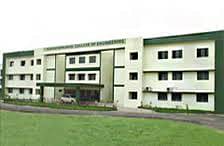
Tejaa Shakthi Institute of Technology for Women
About
OfficialTejaa Shakthi Institute of Technology for Women is a other institution in Coimbatore, established in 2008. Tejaa Shakthi Institute of Technology for Women (TSITW) was established in 2007 as an autonomous women's engineering institution in Coimbatore, Tamil Nadu. It operates under the aegis of Tejaa Shakthi Educational Trust and has progressively evolved into one of South India's notable women-centric technical institutions. The college received autonomous status from the UGC in 2018, allowing it greater flexibility in curriculum design and academic governance. The institution's founding philosophy centers on empowering women through quality technical education and fostering their participation in engineering, technology, and allied fields where women remain underrepresented. Coimbatore's location as a manufacturing and textile hub in Tamil Nadu provides excellent internship and placement opportunities for students. Academic Structure: TSITW offers 8 undergraduate engineering programs with specializations in Computer Science & Engineering, Information Technology, Electronics & Communication Engineering, Electrical & Electronics Engineering, Mechanical Engineering, Civil Engineering, Biomedical Engineering, and Artificial Intelligence & Data Science. The institution also offers integrated 5-year M.Tech programs, standalone postgraduate programs in Engineering and Computer Science, and PhD opportunities through its research centers. The undergraduate curriculum follows a semester-based system with continuous assessment, internal examinations, and end-semester evaluations. The college has adopted the Choice-Based Credit System (CBCS) allowing some flexibility in course selection. Each program emphasizes both theoretical foundations and practical applications through mandatory internships, projects, and industry collaborations. Research Strengths: The college maintains dedicated research centers in Advanced Computing, Renewable Energy Systems, Biomedical Signal Processing, and Textile Technology Innovation. Faculty members have published in national and international journals with emphasis on applied research relevant to industry needs. The institution encourages student participation in research through final year projects and research internships. However, the college is still building its research reputation compared to older IITs and NITs, with limited doctoral student numbers and moderate funded research projects. Research collaborations exist with industries and academic institutions, but these are growing rather than established as institutional strengths. Placement Record: The placement statistics for 2023-24 show approximately 85-88% placement rates across engineering branches, with median package around 4.2-4.8 LPA for engineering graduates. Top recruiters include TCS, Cognizant, Infosys, HCL, Tech Mahindra, and several mid-tier IT companies. Core engineering companies in manufacturing and power sectors also participate in campus recruitment. Startup placements and higher packages (8-12 LPA) are relatively limited compared to IITs. The college's placement cell actively coordinates with employers, but on-campus recruitment volume is moderate due to the institution's moderate-tier status. Many students secure placements through direct applications or off-campus channels. Campus Infrastructure: The 25-acre suburban campus includes modern academic buildings, dedicated laboratory spaces for each engineering discipline, a central library with 65,000+ titles and digital resources, computer labs with updated systems, Wi-Fi coverage across campus, a sports complex with basketball and volleyball courts, a swimming pool, gymnasium facilities, and dedicated hostel blocks for resident students. The campus environment is peaceful with green spaces, though public transport connectivity to city center requires planning. Administrative buildings, cafeteria, health center, and banking facilities are available on campus. Campus Life & Culture: Being a women-only institution, the campus has a distinctly supportive and collaborative academic culture. The college encourages participation in technical clubs (coding, robotics, electronics), cultural activities (dance, music, drama), and sports teams. Annual technical fests (TEKNOVA), cultural events (ARTISTRY), and sports day draw participation. Student organizations include IEEE Student Chapter, coding clubs, entrepreneurship cells, and various cultural societies. The hostel community is active with resident students comprising 60-65% of the student body. Life at TSITW centers on balanced academics, skill development, and personal growth with mentoring support from faculty. Social events and gender-positive campus policies ensure a safe, inclusive environment. Notable Alumni: Graduates of TSITW work across IT companies, startups, academia, and core engineering sectors. Several alumni have co-founded technology startups in Coimbatore and Bangalore. Some have pursued higher education at premier institutions like IIT-B, NIT-Trichy, and international universities. Alumni network engagement is moderate, with alumni mentoring programs for current students. What Makes It Unique: TSITW's distinctive strength lies in its women-only engineering focus in a region where women in engineering remain underrepresented. The autonomous status provides curricular flexibility and rapid program innovation. The suburban Coimbatore location offers proximity to manufacturing industries while maintaining a serene campus environment. Faculty-student interaction is generally strong due to moderate class sizes. The college's emphasis on skill development alongside academics and its supportive institutional culture for women make it valuable for students seeking a nurturing technical education environment. Who Should Apply: TSITW is ideal for women students who score 150-210 marks in JEE Main (depending on program and category), desire engineering education in a supportive women-centric environment, value campus life and extracurricular involvement, and seek placements in IT and core engineering sectors. The college suits students from Tamil Nadu and other South Indian states due to language medium (English) and Coimbatore's moderate cost of living. Students interested in AI/ML, data science, and emerging technologies will find new program additions valuable. The institution is less suitable for students seeking IIT-level prestige, autonomous research opportunities, or global exposure as primary decision factors. Students expecting placements only through campus recruitment or very high packages (10+ LPA) should consider campus recruitment patterns realistically. Challenges to Consider: As a mid-tier private engineering college, TSITW faces competition from IITs, NITs, and other autonomous institutions in placement recruitment. The college's brand recognition outside Tamil Nadu is limited. Research funding and infrastructure for advanced research remain developing areas. Some laboratory equipment and facilities require periodic upgrades. The institution's placement cell efficiency varies by branch, with IT branches performing significantly better than civil/mechanical engineering. Female-only admission policy, while supportive, limits peer diversity that comes from mixed campuses. On-campus housing in nearby areas off-campus tends toward limited options with fewer shared accommodation communities compared to metro cities.