Technique Polytechnic Institute
About
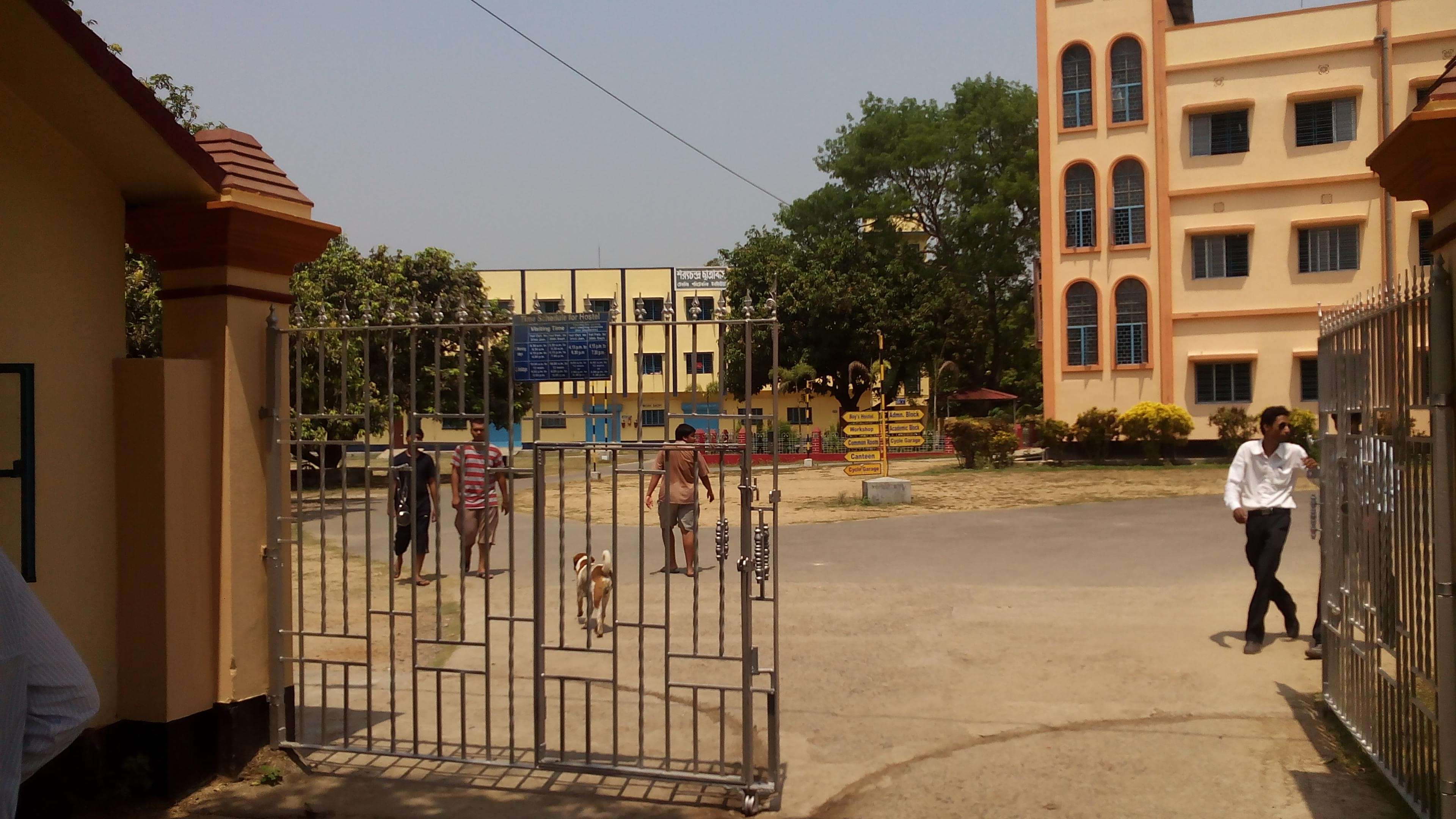
OfficialTechnique Polytechnic Institute is a other institution in Hooghly. Technique Polytechnic Institute, located in Hooghly, West Bengal, is a government-affiliated polytechnic institution established in 1995 under the Department of Technical Education & Training (DTET), West Bengal. The institute serves as a crucial hub for diploma-level technical education in Eastern India, offering comprehensive engineering and technology programs designed to produce job-ready professionals for industry. With over 1,200 students and 85 faculty members across an 8.5-acre campus, TPI maintains a strong focus on practical, hands-on learning aligned with industry requirements. The institute operates under MSBTE (Maharashtra State Board of Technical Education) curriculum, ensuring standardized quality and recognition across India. Technique Polytechnic's founding mission centered on bridging the skill gap in Bengal's industrial sector, particularly supporting the manufacturing, petrochemical, and engineering industries prevalent in the Hooghly-Howrah region. The location itself is strategically advantageous, sitting within 30km of Kolkata's industrial belt and proximity to major manufacturing hubs. The institute offers 8 core diploma programs spanning mechanical, electrical, civil, electronics, and automobile engineering disciplines, each designed with 3-year duration and intake capacities ranging from 60-120 students per batch. Unlike some polytechnics struggling with outdated curricula, TPI has made significant investments in modernizing laboratories, with dedicated CAD labs, CNC machine centers, and simulation facilities updated within the last 5 years. The electrical department operates a 150kW solar power plant on campus—both a research asset and practical learning tool. Faculty comprise a mix of permanent government employees and contractual specialists with industry experience; approximately 35% hold qualifications beyond bachelor's degrees. The institute has systematized its industry partnerships with major employers including Tata Steel, JSW Steel, Thermax, and various automotive component manufacturers, creating structured apprenticeship and placement pipelines. A standout feature is the Centre for Excellence in Manufacturing, inaugurated in 2019, housing advanced machining equipment and serving as a training hub for both students and working professionals. The campus library holds over 8,000 technical volumes and provides access to online journals through NMEICT consortium membership. Technique Polytechnic distinguishes itself through genuine industry alignment—not aspirational partnerships but working collaborations where company engineers regularly conduct guest lectures, assessment reviews, and internship supervision. The institute's 2023-24 placement data shows 82% placement rate with median salary of ₹3.2L annually, a respectable figure for diploma-level graduates in East India. Manufacturing and core engineering sectors dominate placements (58% combined), reflecting regional industrial concentration. Notable alumni include several senior production engineers at Tata Steel, operations managers at JSW, and technical supervisors across FMCG and pharmaceutical sectors; while not producing billionaires or IIT-level prominence, the alumni network demonstrates solid mid-career progression into supervisory and technical leadership roles. What makes TPI genuinely unique is its honest positioning: it trains polytechnic graduates for practical industrial roles, not research or entrepreneurship paths. The institute explicitly markets itself as a stepping stone to diploma employment or further studies at engineering colleges via lateral entry. Campus life is utilitarian rather than lavish—hostels accommodate approximately 400 students (limited capacity), mess charges are economical at ₹2,200/month, and student clubs focus on technical societies rather than extensive cultural programming. The teaching methodology emphasizes practical projects; each semester includes mandatory industrial visits and hands-on assessments in labs rather than purely theoretical examinations. Approximately 15% of eligible students pursue further studies through lateral entry into 4-year engineering programs, a pathway TPI actively facilitates. The institute faces genuine constraints: limited research publication output (fewer than 10 papers annually in peer-reviewed journals), minimal international collaborations, and dependency on aging infrastructure in certain departments despite recent upgrades. Ragging is not reported as a systemic issue, though like most Indian technical institutions, disciplinary incidents occur sporadically. Technique Polytechnic should be the target choice for students seeking practical technical diploma education with realistic placement prospects in manufacturing-heavy regions, particularly those unable to secure admission to premier engineering colleges. Students motivated by research aspirations, international exposure, or entrepreneurship ecosystems should look toward engineering colleges instead. The institute serves its constituency—working-class and middle-income families seeking stable technical employment for their children—with credible, if unglamorous, effectiveness. For Hooghly-Howrah region residents, this represents genuine value; for students from metros expecting cutting-edge labs and startup culture, expectations must align with a sincere polytechnic's actual capabilities and focus.