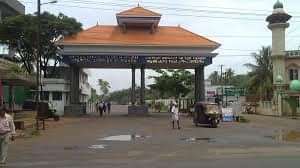
Government T.D. Medical College
About
OfficialGovernment T.D. Medical College is a public institution in Alappuzha, established in 1973. Government T.D. Medical College, Alappuzha (also known as Travancore Devaswom Medical College) is one of Kerala's premier government medical institutions, established in 1957. The college was founded under the aegis of the Travancore Devaswom Board and has since become a flagship medical education institution in Kerala, serving the state and nation with qualified medical professionals for nearly seven decades. The college is strategically located in Alappuzha, a historic city in central Kerala known as the 'Venice of the East' due to its extensive backwaters and unique geography. This location provides students with a unique blend of academic rigor and serene surroundings conducive to learning. ACADEMIC PROGRAMS: The college offers comprehensive medical education across undergraduate, postgraduate, and doctoral levels. The flagship program is the 5.5-year MBBS degree, recognized by the Medical Council of India and eligible for international practice. Beyond MBBS, the institution runs robust postgraduate programs spanning 21 specialties including General Medicine, Surgery, Pediatrics, Obstetrics & Gynecology, Anesthesiology, Radiology, Psychiatry, and several others. PhD programs in medical research are available across various disciplines, facilitating research-oriented career pathways. RESEARCH STRENGTHS: TD Medical College has emerged as a research-active institution with faculty publications in national and international journals. The college emphasizes evidence-based medical practice and encourages students to engage in clinical research early in their curriculum. Several faculty members have contributed significantly to public health research, particularly in tropical diseases endemic to Kerala. The institution maintains active collaborations with international medical bodies and participates in multicenter research projects. CAMPUS INFRASTRUCTURE: The 12-acre campus houses modern teaching facilities including well-equipped lecture halls with audio-visual systems, anatomy dissection halls with proper ventilation, well-stocked libraries with both print and digital resources, state-of-the-art laboratory facilities, and advanced diagnostic centers. The college hospital attached to the institution serves as the primary teaching hospital with over 500 beds, providing diverse clinical exposure across all major departments. CLINICAL TRAINING: The strength of TD Medical College lies in its exceptional clinical training environment. Students have access to a high patient load across diverse pathologies, ensuring comprehensive practical experience. The college emphasizes bedside teaching, case discussions, and skill-based learning. Students regularly participate in community health camps, rural health initiatives, and disaster management drills, preparing them for comprehensive healthcare delivery. PLACEMENT & CAREER OUTCOMES: While medical graduates are not 'placed' in the traditional corporate sense, the college boasts excellent postgraduate entrance examination success rates. Approximately 35-40% of graduates pursue postgraduate medical education immediately, with many joining prestigious AIIMS, government medical colleges, and deemed universities. Some graduates pursue MD/MS entrance examinations successfully. Private practice, hospital employment, and healthcare management roles are other common career paths. The college has a strong alumni network spanning government hospitals, private healthcare chains, and international medical institutions. ALUMNI NETWORK: The college has produced over 12,000 medical professionals since its inception. Notable alumni include senior government doctors, hospital administrators, public health specialists, and research scientists. Many alumni work in premier government institutions across India and hold key positions in health administration. CAMPUS LIFE: Student life at TD Medical College is rigorous but rewarding. The college has a vibrant mix of academic and extracurricular activities. Medical student associations organize seminars, journal clubs, and case discussions. Cultural festivals are celebrated with enthusiasm, though the rigorous curriculum limits extensive participation compared to non-medical colleges. Sports facilities include a volleyball court, badminton court, and gymnasium. Annual medical symposiums and conferences provide networking opportunities. WHAT MAKES IT UNIQUE: As a government medical college in Kerala, TD Medical College offers world-class medical education at subsidized government fees, making medical education accessible. The Kerala healthcare system is among India's best, and students benefit from training in this advanced health ecosystem. The college's location in Alappuzha, though initially seeming remote, actually provides a calm, distraction-free environment ideal for intense medical studies. The institution's commitment to public health and social responsibility is deeply embedded in its curriculum. WHO SHOULD APPLY: This college is ideal for NEET aspirants seeking government medical education at affordable costs with strong academics and clinical training. It suits students from Kerala and those willing to relocate to a smaller city. It's particularly good for students interested in pursuing postgraduate medical education, research, or government medical services. Students should be prepared for a rigorous, clinically-intensive curriculum and the demanding nature of medical education. This is not suitable for students seeking extensive campus life or urban amenities, as Alappuzha is quieter than major metros. CHALLENGES TO CONSIDER: Infrastructure, while adequate, is not at par with some newer private medical colleges in metros. The college lacks some cutting-edge diagnostic equipment found in premium institutions. The Alappuzha location, though academically beneficial, limits access to major industrial hubs and specialized corporate healthcare employers. Weather during monsoon months (June-August) can be challenging. Competition in postgraduate entrance examinations is intense, requiring sustained effort post-MBBS. Housing for students from outside Kerala can be initially challenging due to limited commercial accommodation in the immediate vicinity.