Tamil Nadu Agricultural University
About
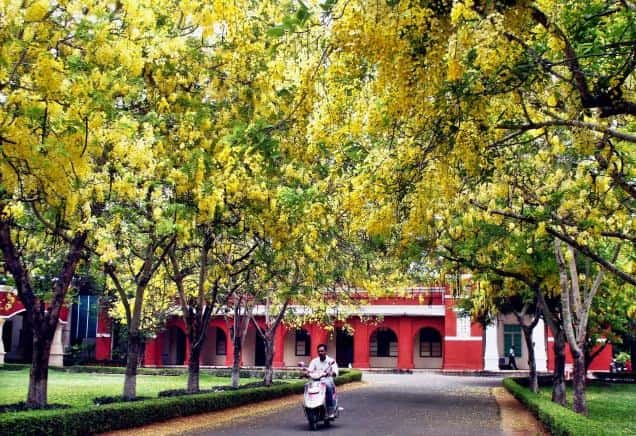
OfficialTamil Nadu Agricultural University is a other institution in Coimbatore, established in 1971. Tamil Nadu Agricultural University (TNAU), established in 1888 as Madras Agricultural College, is one of Asia's oldest and most prestigious agricultural institutions. Located in Coimbatore, a city known for its textile and manufacturing industries, TNAU has consistently evolved to meet the demands of modern agriculture and rural development. The university operates under the Tamil Nadu Government and is recognized as a premier institution for agricultural education, research, and extension in South India. The university's founding history is deeply rooted in India's agricultural development. Initially established to address the challenges of declining agricultural productivity during the British Raj, TNAU evolved from Madras Agricultural College into a full-fledged university offering diverse programs ranging from agriculture to veterinary science, horticulture, agricultural engineering, and agricultural business management. The transition to university status in 1971 marked a turning point, enabling it to establish research centers, implement advanced curricula, and contribute significantly to Green Revolution initiatives in Tamil Nadu. Academic Programs: TNAU offers a comprehensive range of undergraduate and postgraduate programs across agriculture, horticulture, veterinary science, agricultural engineering, and management. Undergraduate programs include B.Sc. (Agriculture), B.Sc. (Horticulture), B.Tech. (Agricultural Engineering), B.V.Sc. & A.H. (Veterinary Science), and B.Sc. (Agriculture Business Management). Postgraduate programs encompass M.Sc. in various agricultural disciplines, M.Tech. in agricultural engineering, M.V.Sc. in veterinary science, and MBA programs focused on agribusiness. The university also offers doctoral programs (Ph.D.) across all major disciplines, with strong emphasis on research. All agricultural programs are conducted under a semester system with practical components, field visits, and internships integrated throughout the curriculum. Research Strengths: TNAU is renowned for its contributions to agricultural research and development. The university operates 14 agricultural research stations, 5 horticultural stations, and numerous research centers focused on crop improvement, sustainable farming practices, animal husbandry, and food processing technologies. Key research areas include development of high-yielding crop varieties, precision agriculture, organic farming methodologies, protected cultivation, greenhouse technologies, and climate-smart agriculture. The university has developed numerous rice, maize, sugarcane, and vegetable varieties that are commercially cultivated across India. TNAU's work in water management and irrigation has earned international recognition. The faculty has publications in peer-reviewed journals and collaborations with international agricultural institutions including ICRISAT, IRRI, and various universities abroad. Campus Life and Facilities: The 142-acre campus is well-equipped with modern infrastructure including research laboratories, libraries with extensive agricultural databases, sports facilities, and hostel accommodations. The campus hosts demonstration farms showcasing modern agricultural practices, which serve as learning grounds for students. Hostel facilities are available for both male and female students with separate accommodations. The campus has internet connectivity across most areas, though speed can be inconsistent during peak hours. Recreational facilities include a sports complex, indoor games hall, and athletic grounds. Student clubs include agricultural clubs, cultural organizations, and technical societies focused on horticulture, animal husbandry, and agribusiness. Annual events include an agricultural fair ("Krishi Mela") that attracts farmers and agricultural professionals from across the region, technical seminars, and cultural festivals. Placement Record: TNAU maintains a placement rate of approximately 65-70% for undergraduate students, with graduates pursuing careers in agriculture, government service (through UPSC), agribusiness, banking (through agricultural finance schemes), and higher education. Median salaries for agricultural graduates range from 280,000 to 350,000 INR annually. Top recruiting organizations include agricultural corporations (Syngenta, Corteva Agriscience), government agencies (Tamil Nadu Agricultural Department, Indian Council of Agricultural Research), banking institutions (NABARD, cooperative banks), fertilizer companies, and multinational food processing companies. Many graduates also pursue civil service through UPSC, making TNAU a feeder institution for agricultural administration positions. A significant portion of graduates opt for higher education in India and abroad, particularly for M.Sc. and Ph.D. programs. Notable Alumni: TNAU has produced numerous leaders in agricultural research, administration, and policy. Notable alumni include Dr. M.S. Swaminathan (known as the architect of India's Green Revolution), agricultural scientists who have led ICAR institutions, state agricultural ministers, and senior officers in agricultural departments across India. Alumni have contributed to development of high-yielding varieties, agricultural policies, and international agricultural development programs. Uniqueness and Specialization: What sets TNAU apart is its singular focus on agricultural education and research with an integrated approach combining classroom learning, practical training, and field research. The university's long history, extensive research farm network, and collaborations with farmer communities provide students with real-world exposure to agricultural challenges. The curriculum is regularly updated to incorporate precision agriculture, biotechnology, and sustainable farming practices. The proximity to agricultural belts of Tamil Nadu, Karnataka, and Andhra Pradesh provides excellent field work opportunities. TNAU's extension programs bridge the gap between research and farming communities, allowing students to work directly with farmers. Who Should Apply: TNAU is ideal for students passionate about agriculture, food security, sustainable development, and rural livelihoods. Students with genuine interest in agricultural science, environmental sustainability, and animal husbandry should apply. The institution suits those seeking specific technical knowledge in agriculture rather than broad-based education. Students interested in government service in agricultural departments, research careers, or agribusiness entrepreneurship find strong support. However, this university is NOT for students seeking high placement packages comparable to engineering colleges or preferring urban corporate culture. TNAU suits pragmatic learners who value field experience, research opportunities, and meaningful societal contribution over brand prestige or salary maximization. The student body typically includes aspirants for UPSC examinations, those pursuing family farming businesses, and individuals committed to agricultural development.