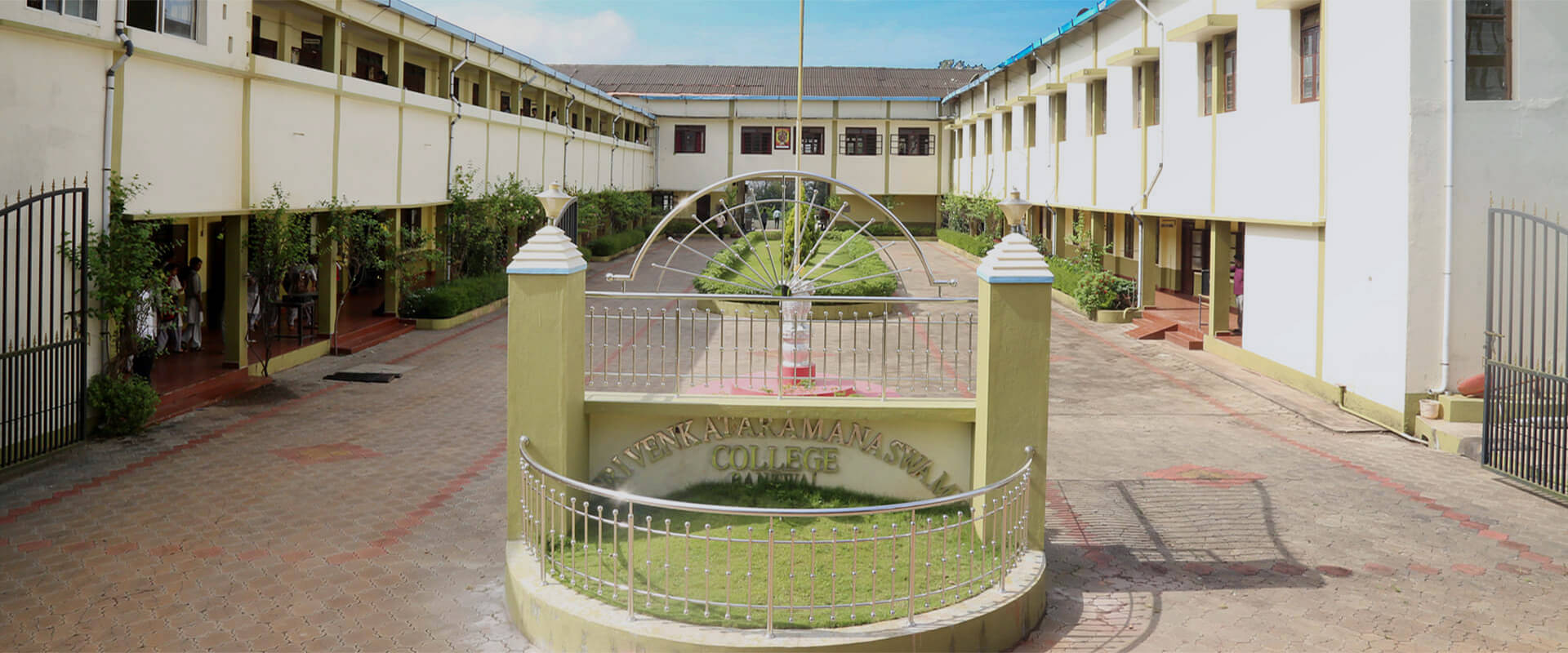
Sri Venkataramana swamy College
About
OfficialSri Venkataramana swamy College is a other institution in Bantwal, established in 1968. Sri Venkataramana Swamy College (SVSC) is a private autonomous institution established in 1999 in Bantwal, a small town in Dakshina Kannada district of coastal Karnataka. Located approximately 60 km from Mangalore city, the college has evolved into a significant educational hub serving students from across Karnataka and neighboring states. The institution is named after the local presiding deity and reflects the region's cultural and spiritual heritage. Over two decades, SVSC has built a reputation for combining rigorous academics with practical skill development, though it remains relatively unknown outside regional circles compared to tier-1 institutions. The college operates under the autonomous framework granted by UGC, allowing curricular flexibility and independent examination systems. Its founding philosophy emphasizes holistic education integrating theoretical knowledge with industry-relevant skills and professional development. The college serves approximately 2,800 students across undergraduate and postgraduate programs, with a faculty strength of around 185 qualified educators. The campus spans 28 acres on the outskirts of Bantwal town, providing a serene learning environment away from urban distractions yet with reasonable connectivity to Mangalore and Udupi. SVSC offers diverse programs across engineering, management, sciences, and humanities disciplines. Engineering programs include Civil, Mechanical, Electronics & Communication, Computer Science, and Information Technology, with curricula updated regularly to reflect industry demands. The Bachelor of Business Administration (BBA) and Master of Business Administration (MBA) programs focus on developing management professionals with emphasis on entrepreneurship and business analytics. Science programs cover Physics, Chemistry, Mathematics, and Biotechnology at both undergraduate and postgraduate levels. Arts and Humanities offerings include English, Kannada, History, Economics, and Political Science. The college has established partnerships with industry leaders in IT, manufacturing, and software services sectors, facilitating internships, guest lectures, and project-based learning. Research activities, while not extensive, are concentrated in engineering applications, biotechnology, and business management. The college has a placement cell that actively engages with recruiters; however, placement statistics are modest compared to premier institutions, with average salary packages ranging from 3.5-5.5 LPA depending on discipline. Notable strengths include dedicated faculty mentors for student guidance, structured internship programs, and emphasis on professional certifications. The campus infrastructure includes modern classrooms with audio-visual facilities, computer labs with licensed software, a well-stocked library with both print and digital resources, and hostel accommodation for both men and women. Sports facilities are adequate with a cricket ground, volleyball and badminton courts, and a gymnasium. The student community is diverse, drawing from multiple states and socioeconomic backgrounds, fostering an inclusive campus culture. Student clubs cover technical domains (robotics, coding), cultural interests (Kannada literature, classical arts), and sports. Annual fests including technical symposium and cultural carnival provide platforms for skill display and networking. The college maintains reasonable academic standards through regular assessments, faculty-student interaction sessions, and remedial classes for struggling students. However, the rural location poses challenges regarding internet connectivity inconsistency, limited off-campus entertainment options, and restricted access to metropolitan job markets directly from campus. Many students report that employer familiarity with the institution is lower than aspirational institutions, requiring graduates to leverage individual credentials and further education for career advancement. The college is best suited for students seeking quality education in a focused, distraction-free environment with willingness to build careers through personal effort and skill development rather than brand-name leverage. It appeals particularly to students from surrounding regions who prefer proximity to home, those pursuing specialized technical or management education at reasonable cost, and individuals with entrepreneurial inclinations who value practical learning and mentorship over institutional brand value. The cost-effectiveness combined with reasonable academic standards makes it an attractive option for merit-driven students from middle-income families. However, students with aspirations for immediate high-salary placements at multinational corporations or those prioritizing metropolitan college experience should carefully evaluate career trajectory expectations before enrollment.