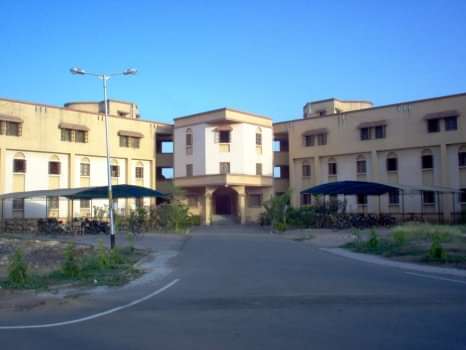
S.V Agricultural College
About
OfficialS.V Agricultural College is a other institution in Tirupati, established in 1961. S.V. Agricultural College (SVAC), located in Tirupati, Andhra Pradesh, was established in 1966 and operates under the jurisdiction of Sri Venkateswara University. It is one of the premier agricultural colleges in South India, with a rich legacy of over five decades in agricultural education and research. The college is situated on a sprawling 450-acre campus in a semi-rural setting approximately 15 km from Tirupati city, providing an ideal environment for practical agricultural training with extensive research farms, greenhouses, and experimental plots. The institution has emerged as a significant hub for agricultural innovation in the region, focusing on sustainable farming practices, crop science, veterinary science, and agricultural engineering. The college operates under the State Agricultural University system and maintains close partnerships with the Indian Council of Agricultural Research (ICAR) for quality assurance and research excellence. SVAC offers comprehensive undergraduate and postgraduate programs spanning agriculture, horticulture, agricultural engineering, veterinary science, home science, and agricultural business management. The institution has produced thousands of agricultural professionals who have contributed significantly to agricultural development, rural entrepreneurship, and agribusiness in India and abroad. The college maintains modern laboratories, advanced research facilities, and demonstration farms that serve both academic and extension purposes. The faculty comprises experienced academicians and researchers with doctorates from reputed institutions, many with international publication records. Research strengths include crop improvement, soil and water conservation, precision agriculture, livestock management, organic farming, and agricultural economics. The college has established research centers for crop improvement, pest management, and post-harvest technology. SVAC conducts regular workshops, seminars, and extension programs for farmers and rural communities, contributing to agricultural modernization at the grassroots level. The placement record has shown significant improvement with agriculture-based companies, agribusiness firms, government agencies, and educational institutions actively recruiting graduates. The college has a dedicated placement cell that coordinates recruitment drives and skill development programs to enhance employability. Campus life is marked by a strong agricultural culture where students engage in practical farming, animal husbandry, and extension activities alongside theoretical learning. The college organizes regular agricultural fairs, farming demonstrations, and farmer interaction programs that provide students real-world exposure. Student clubs focus on agricultural innovation, organic farming, dairy entrepreneurship, and agricultural technology adoption. The hostel facilities accommodate both male and female students with separate accommodations and are equipped with basic amenities. The mess provides nutritious vegetarian and non-vegetarian food with local agricultural products sourced from campus farms. The college maintains a well-stocked library with agriculture-specific journals, research databases, and digital resources. Sports facilities include a cricket ground, volleyball and badminton courts, and a gymnasium. The rural campus setting provides a peaceful learning environment but limited immediate access to urban entertainment and modern amenities. Notable alumni include successful farmers who have adopted innovative practices, agribusiness entrepreneurs, agricultural scientists in research institutions, veterinarians, and extension officers working with government agricultural departments. The college is particularly suited for students with genuine interest in agriculture, environmental sustainability, and rural development. It is ideal for candidates seeking careers in agricultural research, farming entrepreneurship, agribusiness management, agricultural engineering, and veterinary science. Students should be prepared for a campus located away from major urban centers but offering extensive practical learning opportunities in agriculture. The college attracts students from rural backgrounds seeking agricultural education as well as urban students passionate about agriculture and food security. SVAC is best suited for those willing to engage with farming realities, soil science, crop management, and contribute to agricultural transformation in India.