Sumatibhai Shah Ayurved Mahavidyalaya
About
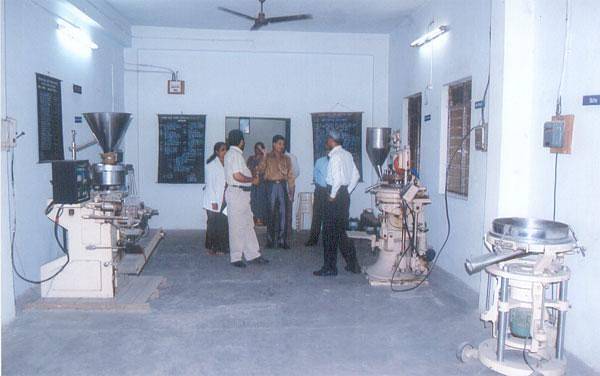
OfficialSumatibhai Shah Ayurved Mahavidyalaya is a other institution in Pune, established in 1990. Sumatibhai Shah Ayurved Mahavidyalaya (SSAM) stands as one of Maharashtra's premier institutions dedicated to Ayurvedic medicine and traditional Indian healthcare systems. Established in 1982 by the late Sumatibhai Shah, a philanthropist deeply committed to preserving and advancing Ayurveda, the college has evolved into a beacon of excellence in Indian traditional medicine education. The institution is located in Vadgaon Budruk on Pune's Sinhagad Road, positioned strategically between the city's industrial areas and educational hubs, providing students with proximity to both academic resources and healthcare practice opportunities. The college's founding mission reflected a critical gap in organized Ayurvedic education during the early 1980s. While Ayurveda has ancient roots in India, systematic, accredited medical education in this discipline was limited. Sumatibhai Shah envisioned an institution that would not only preserve authentic Ayurvedic knowledge but also integrate it with modern research methodologies and clinical standards. This vision remains central to the institution's identity today, as it bridges traditional wisdom with contemporary medical science—a positioning that sets it apart from purely conventional medical institutions. Academically, SSAM offers comprehensive programs across Ayurvedic medicine, pharmacy, and complementary healthcare disciplines. The flagship Bachelor of Ayurvedic Medicine and Surgery (BAMS) program is a 5.5-year integrated course followed by 1 year of mandatory rotating internship, producing graduates qualified for clinical practice, research, and healthcare administration. The college also runs Master's programs (MD/MS) in various Ayurvedic specializations including Kayachikitsa (Internal Medicine), Shalyatantra (Surgery), Stree Roga (Gynecology & Obstetrics), and Padartha Vigyana (Ayurvedic Pharmacology). A Bachelor of Pharmacy (B.Pharm) program offers a 4-year curriculum focused on Ayurvedic pharmaceutical sciences, with emphasis on classical formulation preparation, quality control, and modern analytical techniques. Postgraduate diploma programs in Panchakarma (therapeutic detoxification), Yoga & Wellness, and Ayurvedic Healthcare Management cater to career changers and specialized practitioners. The college maintains strong accreditation from the National Board of Accreditation (NBA) for its BAMS program and holds NAAC accreditation with a Grade B+ score (valid until 2025). Recognition by the Ayurveda Council of India and affiliation with Rani Durgavati University (Jabalpur) provide national credibility. However, students should note that Ayurvedic qualifications, while increasingly valued in India's healthcare landscape, have more limited direct equivalence in Western medical systems—important for those considering international practice. Research capabilities at SSAM have strengthened significantly over the past decade. The college operates a dedicated Ayurvedic Clinical Research Center with facilities for conducting evidence-based studies on traditional formulations, standardization of Ayurvedic drugs, and comparative efficacy trials. Faculty members have published extensively in indexed journals, with particular strengths in ethnopharmacology, paleontology of Ayurvedic texts, and clinical outcome measurement. The college maintains collaborations with CSIR institutes, the National Institute of Ayurveda (Jaipur), and international research organizations studying traditional medicine systems. However, research funding remains modest compared to conventional medical colleges, and publication rates in top-tier international journals are lower, which may concern students aspiring toward academic careers in research-intensive environments. The teaching faculty includes 38 permanent positions in the BAMS program, supplemented by guest lecturers and visiting scholars from other Ayurvedic institutions. Approximately 65% of faculty hold postgraduate degrees (MD/MS), and about 12% possess doctoral qualifications. While the college invests in faculty development through workshops and certification programs in modern clinical skills (ultrasound, basic laboratory diagnostics, patient communication), teaching quality varies across departments. Senior faculty in departments like Padartha Vigyana and Rasashastra are nationally recognized experts; however, some departments experience faculty turnover and occasional gaps in subject expertise. Student feedback indicates that practical clinical training quality depends heavily on the assigned faculty mentor during internship rotations. Clinical training facilities merit detailed attention for aspiring BAMS students. The college operates a 150-bed attached teaching hospital—Hari Hara Ayurved Hospital—with outpatient facilities treating approximately 200-300 patients daily. The hospital provides exposure across all major Ayurvedic specialties and includes operation theaters for Shalyatantra procedures. However, the infrastructure is modest by metropolitan standards: ultrasound and basic pathology services are available, but advanced diagnostic equipment (MRI, CT, sophisticated labs) are limited. This reflects the resource constraints typical of private Ayurvedic institutions. Students supplementing their training with externships at larger government Ayurvedic hospitals (like the Government Ayurvedic College in Pune) often report significantly enhanced learning. The attached pharmacy operates GMP-certified manufacturing facilities for classical formulations, providing hands-on experience in pharmaceutical production—a practical advantage for B.Pharm students. Placements and career outcomes present a mixed picture. The college reports a placement rate of approximately 72% for BAMS graduates, with median salaries around 310,000 INR annually for government hospital positions and 240,000-280,000 INR for private sector roles. However, this figure masks significant variation: graduates entering government medical service (through NEET-SS or state recruitment) typically command 450,000-550,000 INR salaries; those establishing private practices or joining corporate wellness programs (increasingly prevalent in India's growing wellness industry) often earn considerably more; conversely, those pursuing doctoral studies or unable to secure immediate employment in conventional healthcare face prolonged job searches. The college's placement cell has strengthened in recent years, actively liaising with Ayurvedic hospitals, wellness resorts, and pharma companies, but institutional placement rates remain lower than for conventional MBBS colleges. Notable alumni include Dr. Ajay Jadav (batch 1995), now Director of a 500-bed Ayurvedic hospital chain in Western India; Dr. Sneha Marathe (batch 2005), pioneering research on Ayurvedic approaches to metabolic disorders; and Dr. Pradeep Joshi (batch 1998), who established a successful clinical practice specializing in geriatric Ayurvedic care. However, the alumni network, while growing, remains geographically concentrated in Maharashtra and lacks the pan-India institutional presence of older, government-backed Ayurvedic colleges like the Institute of Post Graduate Teaching and Research in Ayurveda (IPGTRA), Jamnagar. Campus infrastructure reflects modest but functional development. The 12.5-acre campus houses separate academic blocks for preclinical (Padartha Vigyana, Rachana Sharir) and clinical departments, a well-stocked Central Library with 8,500+ volumes including both traditional texts and contemporary medical journals, computer labs with internet access, and sports facilities including a basketball court and gymnasium. The library's digital database subscriptions (UptoDate, PubMed, Ayurveda journals) provide adequate academic resources, though acquisitions in emerging specialty areas lag behind conventional medical colleges. Laboratory facilities for Rasashastra (pharmaceutical chemistry), Samhita (classical text) analysis, and pharmaceutical testing are functional but equipment is aging in some areas—notably histopathology and microbiology labs require modernization. Student life at SSAM reflects the college's hybrid identity—balancing traditional Ayurvedic ethos with contemporary student expectations. The curriculum emphasizes memorization and understanding of classical Ayurvedic texts (students must engage extensively with texts like Charaka Samhita and Sushruta Samhita in original Sanskrit), which some students find intellectually enriching but others experience as rote-heavy. Practical clinical exposure, while valuable, is unevenly distributed; senior clinical students report intensive hands-on experience, while junior students sometimes feel relegated to observation roles. The college fosters an environment of professional discipline—dress codes (white coats for clinical students), punctuality expectations, and traditional medical ethics—which appeals to students seeking structured professional preparation but may feel restrictive to those accustomed to liberal campus cultures. Hostel facilities accommodate approximately 40% of students (about 740 across men's and women's dormitories). Hostel accommodation costs 45,000-55,000 INR annually, with basic amenities including shared rooms (2-4 occupancy), attached bathrooms, and vegetarian mess facilities. Hostel quality is functional rather than luxurious; rooms are compact, furnishings are basic but maintained, and common areas include a study hall and recreation room. Women's hostels maintain separate security protocols and stricter visiting hours (until 6 PM for visitors). Mess food emphasizes vegetarian and sattvic (pure) diet principles aligned with Ayurvedic philosophy, which students report as generally nutritious but monotonous (limited menu rotation); monthly mess charges of 8,000-10,000 INR are included in hostel fees. The remaining 60% of students reside in privately rented accommodations within 2-5 km radius (see city guide for off-campus costs). Club and society life is moderate. The college supports approximately 18 student organizations including Ayurved Parishad (core professional society), Rasashastra Club (pharmaceutical focus), Sports Committee, and cultural organizations for traditional arts. Annual events include the college Day (March), Ayurveda Day celebrations (November 7th), and an intra-college sports tournament. These activities, while present, attract less intensive student participation compared to larger conventional medical colleges—many students remain focused on academic demands of the rigorous curriculum. One important consideration for prospective students: Ayurvedic medical education in India operates within a regulated but evolving legal and professional framework. BAMS graduates can register with state Ayurveda Councils and practice clinically within the scope defined by the Indian Medical Council Act and state regulations. However, Ayurvedic practitioners face certain professional restrictions: inability to prescribe conventional allopathic medications (except in integrated systems where permitted), limited access to modern diagnostic equipment reimbursement in many insurance plans, and ongoing professional turf debates with the allopathic medical establishment. The professional environment is gradually modernizing with increasing integration in government healthcare systems and corporate wellness sectors, but aspiring BAMS students should research career trajectories honestly rather than assuming parity with MBBS pathways. The college environment emphasizes ethical practice grounded in Ayurvedic philosophy: principles of patient beneficence (beneficence-centered rather than rights-centered), preventive care emphasis, and holistic health conceptualization. This philosophical orientation appeals to students drawn to traditional medicine but may create adjustment challenges for students with purely biomedicalist training expectations. Who should apply: Students genuinely interested in Ayurvedic medicine rather than default medical aspirants, those valuing traditional knowledge systems and integrated healthcare approaches, students comfortable with instruction-heavy coursework and memorization demands, and those seeking careers in clinical practice, pharmaceutical development in Ayurvedic sector, or wellness industry roles. The college particularly suits students interested in research bridging traditional and modern medicine, those planning government healthcare service through specialized Ayurvedic pathways, and individuals seeking specialized training in Panchakarma or other Ayurvedic modalities. Who should reconsider: Students aspiring exclusively toward allopathic medicine careers (apply to MBBS colleges instead), those uncomfortable with substantial Sanskrit engagement and classical text study, individuals with primary interest in high-impact biomedical research (limited funding and facilities), and those seeking maximum international medical mobility (Ayurvedic credentials have regional recognition primarily). The institution represents an increasingly credible pathway within India's emerging integrated healthcare landscape. However, students should enter with realistic expectations about professional scope, resource availability compared to conventional medical colleges, and geographic employment concentration primarily in India and select Southeast Asian countries.