St. Andrew College Of Arts Science & Commerce
About
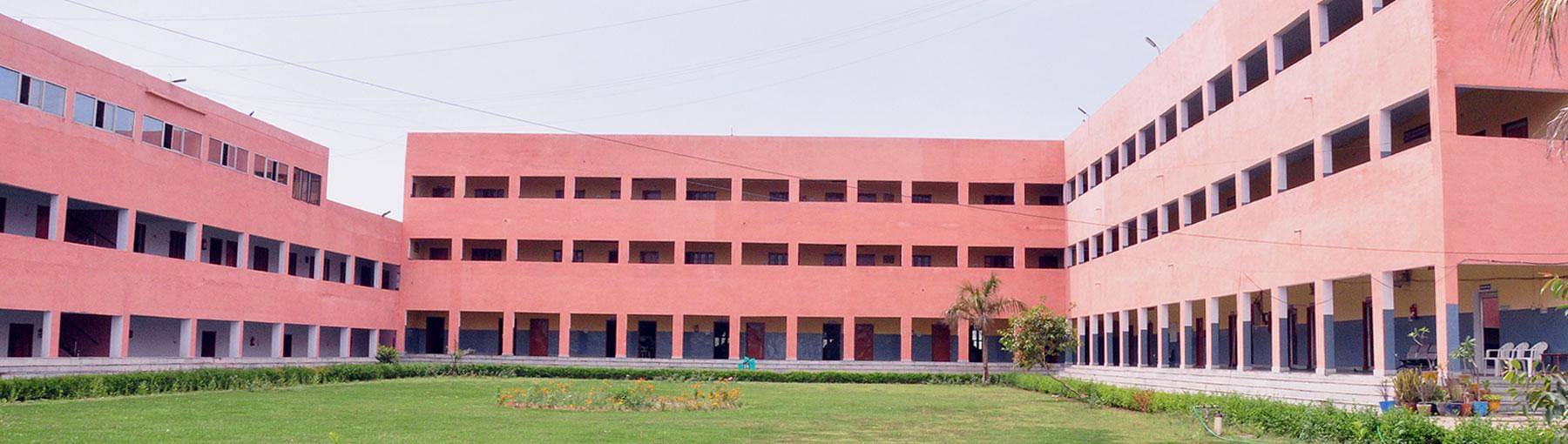
OfficialSt. Andrew College Of Arts Science & Commerce is a private institution in Mumbai, established in 2006. St. Andrew College of Arts, Science & Commerce, located in the historic Byculla area of South Mumbai, was established in 1821, making it one of India's oldest educational institutions. Founded during the colonial era, the college has evolved into a premier liberal arts institution in India with a strong emphasis on holistic education combining traditional academic excellence with contemporary skill development. The college traces its origins to the Scottish Church and maintains a secular, inclusive educational philosophy that has attracted students from diverse religious, economic, and geographic backgrounds for over two centuries. The institution offers a comprehensive range of undergraduate and postgraduate programs spanning Arts, Science, and Commerce disciplines. Its undergraduate curriculum includes programs in English, History, Political Science, Economics, Psychology, Sociology, Mathematics, Physics, Chemistry, Botany, Zoology, and Microbiology, complemented by professional streams in Commerce with specializations in Accountancy, Economics, and Management. St. Andrew's distinguishes itself through a rigorous classical education approach, with particular strength in humanities and social sciences, though its science departments have been steadily gaining recognition. The college maintains small class sizes (typically 40-50 students per class), enabling personalized faculty-student interaction that is rare in Mumbai's competitive college landscape. This pedagogical approach has contributed to strong performance in merit-based exams and competitive entrance tests. Academically, St. Andrew's has earned NAAC accreditation with 'A' grade, validating its quality assurance mechanisms and academic standards. The college has received UGC recognition for research initiatives in specific disciplines, particularly in the social sciences and natural sciences. Faculty members are actively engaged in research, with several doctoral degrees from reputed national and international universities. The college encourages undergraduate research through projects, seminar presentations, and participation in inter-collegiate competitions. Research strengths particularly lie in areas like political economy, environmental science, microbiology, and analytical chemistry, though the college lacks dedicated research centers comparable to larger autonomous institutions. Placement and career outcomes have historically been moderate to good, with strong performance in sectors like education, publishing, non-profit organizations, and small-to-medium enterprises. The college has progressively improved its placement metrics over the past five years, with 2023-24 data showing approximately 65-70% placement rates across undergraduate streams. While major IT and consulting firms do recruit from the college, the recruitment is more selective and typically limited to top-performing students. The college has built strong alumni networks in journalism, academia, civil service, and nonprofit work. Notable alumni include journalists, academicians, bureaucrats, and social entrepreneurs, though the college lacks the brand recognition of IITs or top-tier private universities for placements in premium tech and finance sectors. Campus life at St. Andrew's reflects its historic heritage combined with progressive student engagement. The college hosts over 25 student clubs and societies covering academic, cultural, sports, and entrepreneurial interests. Annual events like the college festival (typically in February-March) showcase student talent through cultural performances, debate competitions, and academic showcases. Sports facilities include grounds for cricket, football, and basketball, though facilities are somewhat limited by the urban, space-constrained location. The college has a strong tradition of debating, with teams regularly competing at national levels. Literary societies, drama clubs, and entrepreneurship cells maintain active engagement. The college community is known for intellectual discourse, diverse student viewpoints, and a relatively non-hierarchical student culture compared to professional colleges. The college offers both hostel and day-scholar options. Hostel facilities accommodate approximately 200-250 students in three separate hostels (separate hostels for women and men). Given the central Byculla location, many students opt for off-campus private accommodations. The hostel experience is generally considered moderate in quality, with basic amenities and shared facilities. Mess food quality is average to good, with typical monthly costs around 2,500-3,500 INR. Internet connectivity on campus is reliable, with WiFi available in most academic blocks and hostel areas. The college has implemented anti-ragging measures and maintains a relatively safe campus environment, though the urban location requires standard city safety precautions. Safety for women students has been a focus area, with designated women's hostel, campus security, and grievance redressal mechanisms in place. The college maintains an active Women's Development Cell and works with student leadership to ensure inclusive campus culture. Incidents of serious concern are rare, though like all urban Mumbai institutions, standard urban safety awareness is advised. The college is ideally suited for students seeking a rigorous liberal arts education with strong faculty mentorship, intellectual engagement, and a historic institutional legacy. It attracts students who prioritize educational quality and intellectual discourse over brand-name placements. The college works best for those interested in pursuing academia, research, civil services, journalism, nonprofit work, or professional streams in finance and accounting. Students should be aware that placement outcomes in high-paying tech and consulting sectors are limited compared to specialized engineering or commerce colleges. The college demands academic rigor and intellectual participation from students. It appeals particularly to students from English-medium backgrounds seeking a more traditional university-like experience within India's undergraduate system. The fee structure is moderate, making it accessible to upper-middle-class students. Students relocating to Mumbai should budget for off-campus accommodation as hostel availability is limited.