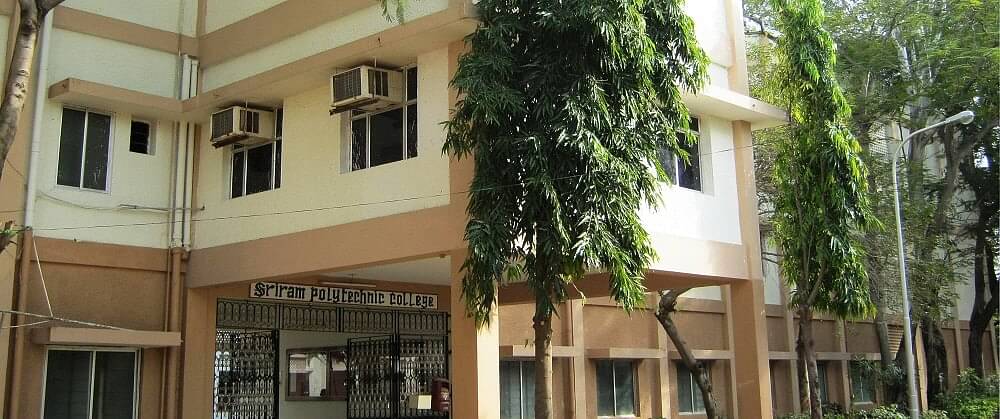
Sriram Polytechnic College
About
OfficialSriram Polytechnic College is a other institution in Chennai. Sriram Polytechnic College, established in 1998, is a diploma-awarding institution located in Tambaram, Chennai, Tamil Nadu. The college is affiliated with the State Board of Technical Education and Training (SBTET), Tamil Nadu, and operates under the governance framework of India's polytechnic education system. Over its 26-year operational history, the institution has evolved from a modest technical school into a recognized polytechnic with a moderate reputation in South India's engineering education landscape. The college offers 3-year diploma programs across multiple engineering disciplines, serving approximately 2,100 students through around 145 faculty members distributed across academic and support departments. The institution's foundational mission centers on producing job-ready diploma engineers who can immediately contribute to India's industrial and infrastructure sectors, aligning with the National Board of Accreditation's broader polytechnic education objectives. Academically, Sriram Polytechnic emphasizes practical, hands-on learning through well-equipped workshops, drawing significant inspiration from the industrial proximity of Chennai's manufacturing and automotive sectors. The college curriculum integrates theory with practical laboratory work, with each discipline requiring students to complete capstone projects demonstrating real-world application. Core strengths include Mechanical Engineering, with strong workshop infrastructure and emphasis on CAD/CAM training; Electrical and Electronics Engineering, featuring modern power systems and control labs; Civil Engineering, with building information modeling (BIM) and construction management modules; and Computer Science, increasingly focused on software development and IT infrastructure. The institution does not conduct original research at scale but encourages student-led technical innovation through annual project exhibitions and competitions. Faculty engagement with industry remains moderate, with occasional guest lectures from practicing engineers and limited formal industry research partnerships. Campus life at Sriram Polytechnic reflects a lower-cost, high-practical-focus environment typical of state polytechnics. Student accommodations include separate hostel facilities for men and women, though standards are basic compared to premium engineering colleges—expect functional dormitories rather than luxury amenities. The college maintains sports facilities, a library with limited digital resources, a small cafeteria, and Wi-Fi coverage across most campus areas. The student body is predominantly from middle-class Tamil Nadu backgrounds, with admission primarily through SBTET entrance examinations and board-merit-based selection. Placement outcomes have improved incrementally over the past 5 years, with approximately 70-75% of graduating cohorts securing employment or further education opportunities within 3-6 months of completion. Top recruiting organizations include automotive component manufacturers (TVS, Lakshmi Machine Works, Sundaram Clayton), IT services firms (TCS, Infosys, Wipro), and manufacturing units across Chennai's industrial corridors. The median salary for diploma graduates ranges between ₹2.8-3.4 lakh annually for entry-level technical positions, with variations depending on discipline and specialized certifications obtained. Notable alumni include production engineers at major OEMs, technical supervisors in automotive plants, and shift managers in pharmaceutical manufacturing units—reflecting the college's primary career trajectory into front-line technical and supervisory roles rather than management or advanced technical positions. The institution's unique positioning lies in its commitment to affordable, accessible technical education for students from economically constrained backgrounds, combined with Chennai's geographic advantage as a manufacturing and IT hub. Sriram Polytechnic is most suitable for students seeking a 3-year diploma qualification to enter the workforce immediately, prefer hands-on over theoretical learning, come from limited financial backgrounds, aspire to technical trades and supervisory positions in manufacturing, or plan to pursue further engineering degrees through lateral entry into bachelor's programs. The college is less suitable for aspirants targeting pure academic research, those seeking high-end campus facilities, students whose family income exceeds ₹10 lakh annually and can afford premium engineering colleges, or candidates planning immediate entrepreneurship ventures without industrial experience. The overall educational philosophy emphasizes 'learning by doing,' discipline, punctuality, and integration with local industrial demand—creating a practical, no-frills learning environment that prioritizes employment outcomes over brand prestige or campus grandeur.