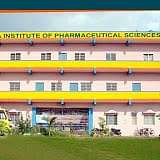
Srinivasa Institute of Pharmaceutical Sciences
About
OfficialSrinivasa Institute of Pharmaceutical Sciences is a other institution in Kadapa, established in 2007. Srinivasa Institute of Pharmaceutical Sciences (SIPS) was established in 2008 in Kadapa, Andhra Pradesh, with a vision to provide quality pharmaceutical education and research opportunities aligned with industry standards and regulatory requirements. Located in the Rayalaseema region of Andhra Pradesh, the institute has grown into a recognized center for pharmacy education with a current student population of approximately 1,850 across various undergraduate, postgraduate, and research programs. The college is situated on a 18-acre suburban campus approximately 8 km from Kadapa city center, providing a balanced environment with access to city amenities while maintaining academic focus. SIPS is affiliated with Dr. NTR University of Health Sciences, Vijayawada, and operates under the regulatory framework of the Pharmacy Council of India and the All India Council for Technical Education (AICTE). The institute offers diverse pharmaceutical programs including B.Pharmacy (4-year), M.Pharmacy in various specializations (Pharmaceutical Analysis, Pharmaceutics, Pharmacology, Pharmaceutical Chemistry, Pharmacognosy), Ph.D. in Pharmacy, and D.Pharmacy (2-year diploma). The academic curriculum is regularly updated to align with industry requirements, with emphasis on laboratory skills, practical training, and research methodology. The pharmacy programs focus on both theoretical knowledge and practical application, with comprehensive laboratory facilities supporting experiential learning in areas like pharmaceutical analysis, formulation development, and quality assurance. The institute has established collaborations with pharmaceutical manufacturing units in the region, providing students with internship and placement opportunities. Research is actively promoted at SIPS with faculty engaged in pharmaceutical research projects funded by government and industry bodies. The faculty comprises 128 members, including Ph.D. holders and industry professionals with expertise across pharmaceutical disciplines. The campus includes modern laboratory facilities equipped with analytical instruments (HPLC, GC, UV-Vis spectrophotometers), microbiology labs, pharmaceutical chemistry labs, and formulation development units. The library maintains a collection of over 8,000 pharmaceutical textbooks and journals, with access to digital databases including SciFinder, PubMed Central, and pharmacy-specific e-resources. Campus infrastructure includes a health center, cafeteria, Wi-Fi enabled campus, and sports facilities. Placement support is provided through a dedicated placement cell that coordinates recruitment drives with major pharmaceutical companies, contract research organizations (CROs), and manufacturing units. The institute has a track record of around 85-90% placement rates for B.Pharmacy graduates, with median salary packages in the range of 2.8-3.5 lakhs per annum for entry-level positions. Top recruiters include companies like Dr. Reddy's Laboratories, Cipla, Aurobindo Pharma, Hetero Labs, Natco Pharma, and various multinational pharmaceutical corporations. The college conducts regular seminars, workshops, and guest lectures by industry experts, regulatory professionals, and research scholars. Student activities include clubs for pharmaceutical sciences, quality assurance, drug discovery, and cultural organizations. The annual events include a pharmaceutical symposium, cultural fest, and sports day. Hostel facilities are available for both male and female students with separate accommodation blocks, offering basic amenities including attached bathrooms, study areas, and mess facilities. The institute maintains moderate fees structure compared to other private pharmaceutical colleges in Andhra Pradesh, with annual tuition ranging from 95,000 to 1,40,000 INR depending on the program. SIPS is particularly suitable for students aspiring to pursue careers in pharmaceutical manufacturing, quality control, regulatory affairs, drug development, or further academic research. The college provides a solid foundation in pharmacy education with emphasis on regulatory compliance and industry-ready skills. However, the college is relatively young compared to older pharmacy institutes and operates in a tier-3 city environment with limited exposure to metro-level pharmaceutical companies and research opportunities. The institute would appeal to students seeking quality pharmaceutical education at affordable costs, those interested in production and quality assurance roles, and students planning to work in the pharmaceutical industry in India rather than aspiring for international opportunities. Career guidance and alumni network are developing strengths as the institute matures. The college maintains adequate infrastructure for pharmaceutical education but may lack cutting-edge research facilities compared to premier institutes. Students transitioning from smaller towns will find Kadapa to be a manageable, cost-effective city with reasonable accommodation options and lower living expenses.