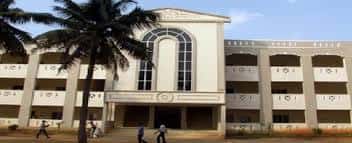
Srinivasa College of Engineering & Technology
About
OfficialSrinivasa College of Engineering & Technology is a other institution in Kurnool, established in 2007. Srinivasa College of Engineering & Technology (SCET), established in 2004, is a private engineering institution located in Kurnool, Andhra Pradesh. Founded with the mission to provide quality engineering education and develop technically competent professionals, SCET has grown into one of the prominent engineering colleges in the region. The college is affiliated to Jawaharlal Nehru Technological University (JNTU), Anantapur, and offers undergraduate and postgraduate programs across multiple engineering disciplines. The institution operates from a well-developed suburban campus spread over 18.5 acres, providing a conducive environment for academic pursuits and extracurricular activities. Academic Programs: SCET offers 8 undergraduate engineering programs including Computer Science & Engineering, Electronics & Communication Engineering, Mechanical Engineering, Civil Engineering, Electrical & Electronics Engineering, Information Technology, Aeronautical Engineering, and Chemical Engineering. At the postgraduate level, the college offers M.Tech programs in Computer Science Engineering, Structural Engineering, and Power Systems. The curriculum is designed to balance theoretical knowledge with practical skills, incorporating recent industry trends and emerging technologies. The college emphasizes hands-on learning through labs, projects, and industrial internships. Placement & Career Outcomes: The college has achieved a respectable placement record with approximately 78-82% placement rate across various branches in recent years. The median salary for Engineering graduates ranges from 3.8 to 5.2 LPA, with highest salaries reaching 12-14 LPA for top performers. Primary recruiters include IT companies like Infosys, TCS, Cognizant, HCL, Wipro, and core engineering firms. However, placement outcomes vary significantly by branch, with Computer Science and IT branches performing significantly better than Civil and Chemical Engineering. The placement cell actively coordinates with industry partners to facilitate internships and full-time job opportunities. Campus Infrastructure & Facilities: The college possesses modern laboratory facilities including computer labs with latest software, digital signal processing labs, embedded systems labs, and specialized technical workshops. The library houses over 28,000 books and provides access to digital repositories. Hostel facilities are available for both male and female students with separate blocks. The campus includes a sports complex with volleyball and badminton courts, though a swimming pool and dedicated sports field remain absent—a significant limitation for sports-focused students. WiFi connectivity covers most of the campus, though speed and reliability can be inconsistent during peak hours. The campus has a health center, cafeteria, and ATM facilities. Research & Industry Collaboration: While the college emphasizes teaching over research, it has established partnerships with technology companies for student internships and sponsored projects. The college encourages faculty to pursue research, though the percentage of PhD-qualified faculty (approximately 28%) is lower than peer institutions. Research areas include embedded systems, power electronics, structural analysis, and data analytics. The college has started initiatives in IoT and machine learning but these remain nascent compared to tier-1 institutions. Student Life & Campus Culture: SCET has an active student community with technical clubs focused on programming, robotics, and software development, along with cultural societies for dance, music, and drama. The college organizes annual technical and cultural fests, though on a modest scale compared to premier institutions. The campus culture emphasizes academic rigor while providing reasonable space for extracurricular engagement. Sports participation is moderate, limited by facilities. Hostel life is fairly decent with mess facilities providing vegetarian and non-vegetarian options, though food quality can be inconsistent. The college has not reported significant ragging incidents in recent years, though informal social hierarchies exist as typical in residential campuses. Location & City Context: Kurnool is a tier-3 city in Andhra Pradesh with moderate urban development. Being outside major metropolitan areas provides a quieter, distraction-reduced academic environment—beneficial for studies but limiting for internships and networking opportunities. The city has basic amenities, reasonable transportation via buses and autos, but lacks the vibrant job market and industry presence of metro cities. This geographic positioning is both an advantage (lower living costs, focused academics) and disadvantage (limited off-campus opportunities, fewer corporate recruitment drives). Who Should Apply: SCET is suitable for students seeking affordable, quality engineering education in a focused academic environment. It appeals to students from Andhra Pradesh and neighboring states due to regional familiarity and lower relocation costs. The college is particularly relevant for those interested in core engineering fields, though Computer Science aspirants should note that placement outcomes here are competitive with, but not superior to, established tier-2 institutions in metros. Students prioritizing campus infrastructure, research facilities, or international exposure should consider alternatives. The college offers value for money, particularly for those unable to secure admission in NIT or IIT tier institutions but seeking better alternatives to extremely low-tier private colleges. Key Strengths: Affordable fees, respectable placement rates in CS/IT branches, decent hostel facilities, growing industry partnerships, clean suburban campus away from urban distractions, supportive faculty in technical departments, and emerging focus on emerging technologies. Key Limitations: Lower research output compared to research-focused institutions, modest campus sports facilities, inconsistent food and mess quality, limited international collaborations, lower PhD percentage among faculty, geographic location outside major metro limiting off-campus opportunities, branch-wise placement variance is significant (CS much better than Civil/Chemical), and limited alumni network compared to older, more established institutions.