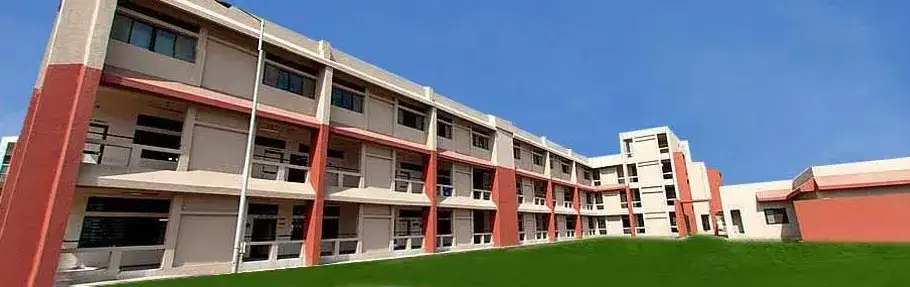
Shroff S. R. Rotary Institute of Chemical Technology
About
OfficialShroff S. R. Rotary Institute of Chemical Technology is a other institution in Bharuch. Shroff S. R. Rotary Institute of Chemical Technology (SRICT), established in 2001, is a private engineering college located in Bharuch district, Gujarat. Founded with the vision of promoting chemical engineering education and research in India, SRICT operates under the Rotary Club's social initiative and is sponsored by the Rotary Club of Bharuch. The institute is permanently affiliated with Gujarat Technological University (GTU) and holds NAAC accreditation with a B++ grade. Academic Programs and Structure: SRICT primarily focuses on chemical engineering but has expanded to offer programs in petroleum engineering, biochemical engineering, and related disciplines. The institute offers Bachelor of Engineering (B.E.) programs with a duration of 4 years, Master of Engineering (M.E.) programs in Chemical Engineering with 2-year duration, and is working on PhD research programs. The undergraduate intake is approximately 180 students per batch across chemical and petroleum engineering specializations. The curriculum is designed to align with both academic rigor and industrial relevance, with mandatory internships during the final year. Research and Industry Collaboration: SRICT has established itself as a hub for chemical engineering research with dedicated research laboratories for process engineering, materials characterization, environmental engineering, and pharmaceutical chemistry. The institute maintains partnerships with major chemical companies including GAIL, IOCL, BASF, and Reliance Industries for research collaboration and student internships. Faculty members are actively engaged in research projects funded by the Department of Science and Technology (DST) and the All India Council for Technical Education (AICTE). The institute has published numerous papers in peer-reviewed national and international journals. Campus Infrastructure: The 45-acre campus in rural Bharuch offers a peaceful learning environment with modern laboratory facilities, a well-stocked library with over 15,000 books and digital access to major journals, computing centers with modern software, and dedicated seminar halls. The institute has invested significantly in maintaining state-of-the-art chemical engineering laboratories with pilot-scale equipment that mirrors industrial setups. Hostel facilities are available for both male and female students with separate residential blocks. The campus has a central cafeteria, medical center, and transport service connecting to Bharuch city (approximately 15 km away). Placement Performance: SRICT has consistently achieved placement rates above 85% in recent years, with average packages ranging from 5.5 LPA to 7.2 LPA. The highest package recorded was 14.2 LPA in core chemical engineering roles. Top recruiters include companies like GAIL, IOCL, BASF, Reliance, Eastman, ACS, Inox, and various pharmaceutical companies. The placement cell works actively from the final year onwards, conducting mock interviews and industry talks. However, compared to top-tier NITs and IITs, the salary packages for non-core roles are relatively lower (typically 3.5-4.5 LPA). Campus Life and Student Experience: The institute has a vibrant student culture with active technical clubs focused on chemical engineering innovation, environmental sustainability, and process optimization. Annual events include Techniche (technical fest) and Spectrum (cultural fest), both well-attended. However, being in a rural location, the social and entertainment options on campus are limited compared to urban engineering colleges. The institute encourages participation in AICTE-sponsored competitions and conducts regular seminars featuring industry professionals. Student mentorship programs pair junior students with senior peers and faculty advisors. The gender diversity at SRICT is improving, with approximately 35-40% female student population, though women students sometimes report feeling isolated due to the rural setting. Faculty and Academic Quality: The faculty at SRICT comprises individuals with M.Tech and PhD qualifications, with approximately 65% holding PhD degrees. Many faculty members have industrial experience before joining academia. The institute emphasizes small class sizes with an average student-to-faculty ratio of approximately 15:1, allowing for personalized attention. However, faculty retention can be a challenge as researchers often move to higher-ranked institutions or join industry. Guest lectures by industry experts are regularly organized to bridge the academic-industrial gap. Notable Strengths: The institute's specialization in chemical engineering is a significant strength in a country with growing chemical and petrochemical industries. The rural campus provides a distraction-free environment for dedicated students. Strong industry connections ensure that curriculum remains industry-relevant. The institute's focus on process engineering and environmental chemistry addresses emerging industrial needs. Challenges and Limitations: The rural location (Kathlal village) is both an advantage and disadvantage—while it provides a focused learning environment, it limits exposure to urban entrepreneurship ecosystem and entertainment. Bharuch's economy, though industrialized, is not as vibrant as metros or tier-1 cities. The institute may not offer the same networking opportunities as top-tier IITs or NITs. Brain drain occurs as many top students pursue higher education abroad or in metros. The brand recognition outside Gujarat and the chemical industry is limited. Who Should Apply: SRICT is ideal for students genuinely interested in chemical engineering, petroleum engineering, or related chemical sciences who value specialized education over broad brand name. It suits students comfortable in a rural, focused academic environment who seek strong industry connections in the chemical and petrochemical sectors. It appeals to students from Gujarat or nearby states who want quality engineering education without leaving home. It is particularly suitable for students aiming for core engineering roles in PSUs and major chemical companies. Who Should Avoid: Students seeking a vibrant urban campus life should look elsewhere. Those interested in software engineering, IT, or non-technical MBA roles will find limited opportunities here. Students requiring maximum brand recognition or targeting overseas universities may find SRICT's limited global visibility a disadvantage. Those uncomfortable with rural settings or seeking diverse social experiences should consider tier-2 cities or urban engineering colleges instead. Future Prospects: The institute is continuously upgrading infrastructure and working on NBA accreditation for engineering programs. Plans are underway to strengthen research facilities and increase PhD student intake. The chemical industry's growth in Gujarat positions SRICT graduates well for future employment opportunities.