Sri Sri College of Ayurvedic Sciences and Research
About
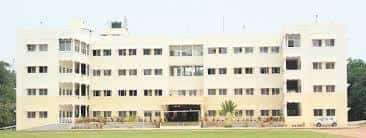
OfficialSri Sri College of Ayurvedic Sciences and Research is a other institution in Bengaluru, established in 2004. Sri Sri College of Ayurvedic Sciences and Research (SSICASR) is a private autonomous institution located in the suburban areas of Bengaluru, established in 2008 with the mission to promote authentic Ayurvedic medicine and scientific research. The college operates under the governance of Sri Sri Educational Society and has steadily built a reputation as one of the premier Ayurveda colleges in South India, though it remains smaller and less widely recognized compared to government-run institutions like Government Ayurveda College, Bengaluru. The institution's founding philosophy centers on bridging traditional Ayurvedic knowledge with contemporary scientific methodology, particularly through research initiatives that validate classical treatments using modern pharmacological and clinical standards. The college is recognized by the Ministry of Ayush and affiliated with Rajiv Gandhi University of Health Sciences (RGUHS), which defines its curriculum and examination standards. The campus, situated approximately 25 kilometers from Bengaluru's central business district, occupies about 12.5 acres with a mix of modern classroom buildings, traditional Ayurvedic treatment facilities, and research laboratories. The institutional focus remains heavily centered on Ayurvedic medicine with specialized emphasis on Swasthavritta (preventive health), Dravyaguna (pharmacology), and Rasa Shastra (Ayurvedic chemistry), making it particularly attractive to students genuinely committed to Ayurveda rather than those seeking general medical qualifications. The college operates a 100-bed teaching hospital and Ayurvedic Panchakarma center, providing essential clinical training grounds for students and service to the local community. Academic programs are structured to provide both theoretical knowledge and practical clinical experience, with students rotating through various departments including Padartha Vigyan, Samhita, Kriya Shastra, Dravyaguna, Rasa Shastra, Swasthavritta, Padartha Vigyan, Chikitsa, and specialized clinical departments. The faculty comprises practitioners and academicians with backgrounds in both traditional Ayurveda and modern sciences, though the college faces the common challenge of recruiting faculty with dual expertise in both systems. Research output has been modest but growing, with faculty and postgraduate students publishing in Indian and international journals focused on herbal medicine and Ayurvedic interventions. However, research funding remains limited compared to larger government institutions, and the college lacks the research infrastructure of premier medical colleges. The college maintains academic and clinical collaborations with several government institutions and Ayurveda colleges across India, facilitating knowledge exchange and standardization of practices. Student life at SSICASR is relatively modest and quieter than urban college campuses, with cultural and sports activities organized periodically but without the extensive infrastructure or funding available at larger institutions. The college environment attracts students with genuine interest in Ayurvedic medicine and traditional healing systems, though some students report choosing the institution primarily as a backup option after not securing seats at government colleges. The placement scenario for Ayurveda graduates from SSICASR reflects the broader challenges of the profession: a significant proportion pursue private practice, government Ayurveda positions through merit lists, or further studies, while corporate healthcare and wellness industry placements are growing but remain limited. Female student enrollment is substantial (approximately 55-60% of total cohort), reflecting broader trends in Ayurveda education where the profession increasingly attracts women. The college's location in Bengaluru provides access to India's largest concentration of Ayurvedic wellness centers, yoga studios, and holistic health businesses, offering practical networking and placement opportunities. However, the college faces competition from government institutions offering similar programs at significantly lower costs and from newer private colleges emerging in metropolitan areas with better marketing and infrastructure. The institution is gradually building international visibility through participation in conferences and collaborative research, though recognition remains primarily within India. Prospective students should understand that Ayurveda is a specialized medical discipline with a distinct professional trajectory different from allopathic medicine, with fewer traditional corporate placements but growing opportunities in wellness, prevention, and integrative medicine sectors. The college's moderate size (approximately 450 total students) creates a more personalized but less socially dynamic campus environment compared to larger institutions. For students genuinely interested in Ayurvedic philosophy, traditional healing practices, research in herbal medicine, or establishing their own practice, SSICASR offers a reasonably strong foundation with dedicated faculty mentorship. For students viewing Ayurveda as a backup or seeking high corporate placements comparable to allopathic medicine graduates, the institution may not provide the hoped-for outcomes. The college's suburban location provides a relatively distraction-free academic environment but requires longer commutes to major city attractions and networking hubs.