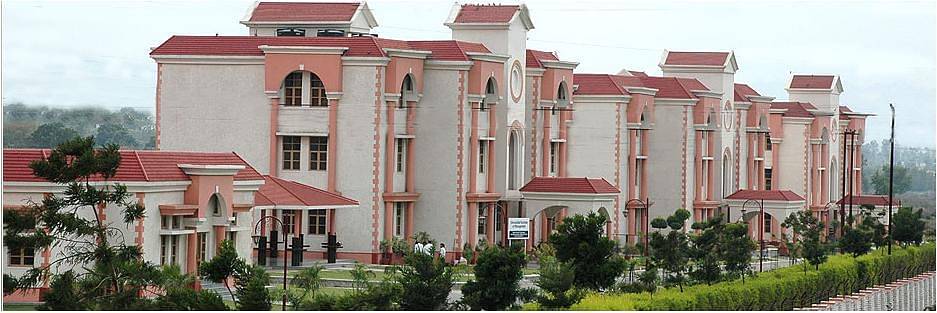
Sri Eshwar Reddy College of Law
About
OfficialSri Eshwar Reddy College of Law is a other institution in Tirupati, established in 2007. Sri Eshwar Reddy College of Law (SERCOL) was established in 2010 in Tirupati, Andhra Pradesh, with the vision of imparting quality legal education to aspiring law students. Located in the historic city of Tirupati, home to the renowned Sri Venkateswara Temple, the college benefits from a scholarly atmosphere while maintaining proximity to urban centers. The institution is affiliated with Sri Venkateswara University and is recognized by the Bar Council of India (BCI). SERCOL operates across undergraduate and postgraduate programs, focusing on traditional legal disciplines with growing emphasis on emerging practice areas. The college curriculum emphasizes foundational legal concepts through the traditional 3-year LLB and 5-year integrated programs, supplemented with electives in Corporate Law, Constitutional Law, Criminal Law, and International Law. Postgraduate offerings include an LL.M in Constitutional Law and General Law. The college maintains a modest but functional library with over 8,000 legal volumes, periodic subscriptions to legal databases, and access to online journals. However, compared to national top-tier law colleges, the collection remains limited in specialized areas like arbitration and intellectual property. Faculty members comprise practicing advocates, retired judges, and academics, many with 15-20 years of experience in legal practice. The college conducts regular moot courts, debates, and seminars featuring visiting judges and senior advocates. Placement outcomes have gradually improved, with law graduates securing positions in law firms, corporate legal departments, judiciary preparation programs, and governmental organizations. Average placement rates hover around 65-70% for 2023-24, with top recruiters including local law firms, small-to-medium consulting practices, and judicial clerkships. The median salary for placed graduates ranges from 3.5 to 5.5 lakhs per annum, concentrated in legal advisory and compliance roles. Campus infrastructure is functional but modest—the college occupies a compact suburban location with basic facilities for teaching and practical training. The moot court hall is operational, and the college conducts regular client counseling programs and legal aid clinics. However, infrastructure pales against Delhi University's law center or NALSAR. Student life emphasizes experiential learning through internships, legal aid camps, and participation in district and state-level competitions. The college maintains dormitory facilities segregated by gender, with reasonable accommodation standards and functional mess services. The broader Tirupati city environment offers a blend of spiritual tourism, academic institutions, and emerging IT sectors, though limited metro infrastructure means reliance on autos and local transport. The college suits students seeking quality legal education in a relatively calm, semi-urban setting with reasonable tuition fees (compared to private law schools in metro cities), those interested in pursuing judicial services through dedicated coaching, and aspiring legal professionals willing to build networks through practical exposure. Students should be aware that national recognition remains limited compared to National Law Schools or Delhi University Law Centre, placement outcomes lean toward regional firms, and metropolitan career opportunities require proactive networking. The college is ideal for students aiming for State Judicial Services, district-level legal practice, or corporate compliance roles in tier-2 cities, rather than national-level ambitions in top law firms.