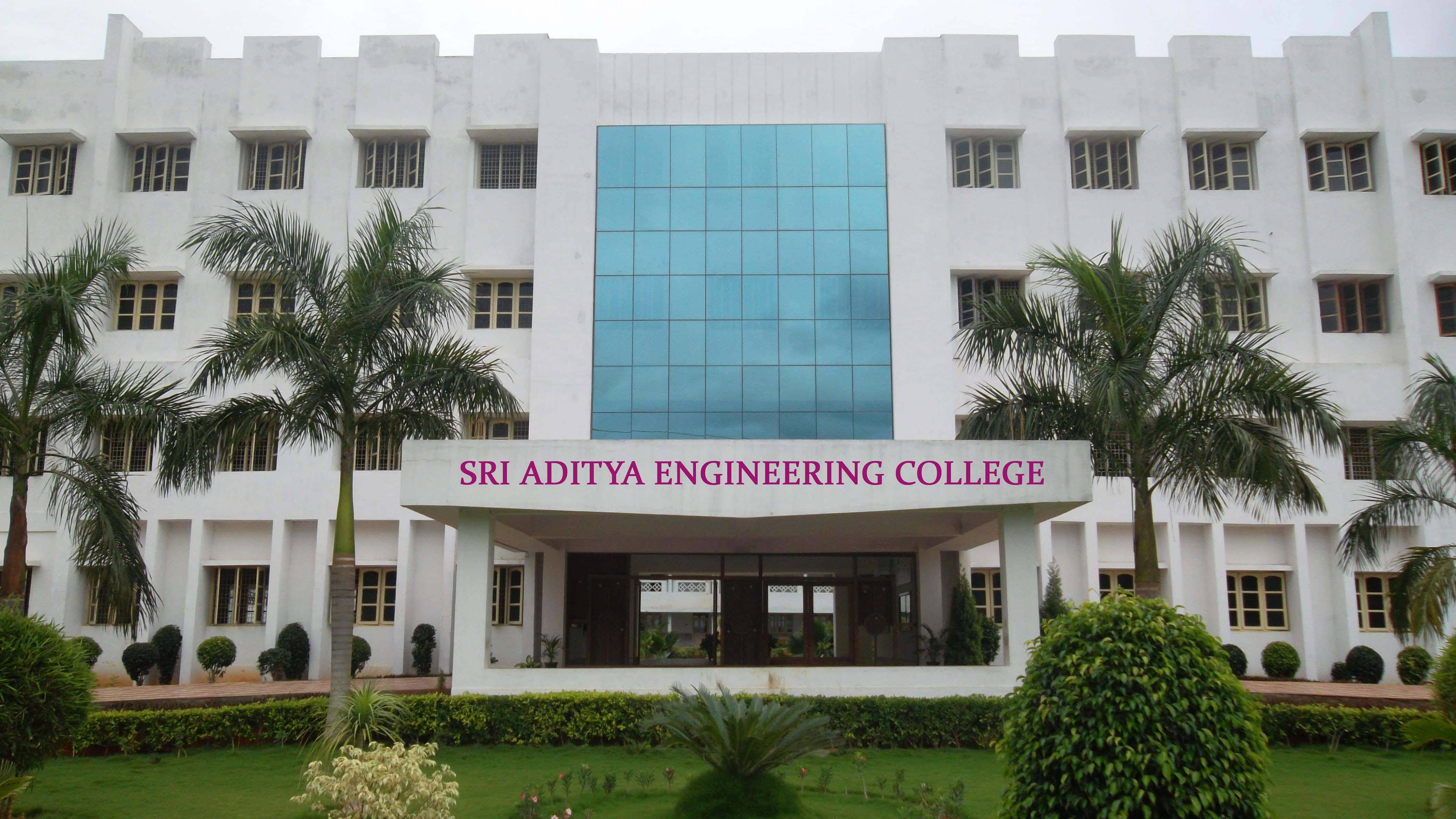
Sri Aditya Engineering College, East Godavari
About
OfficialSri Aditya Engineering College, East Godavari is a other institution in East Godavari. Sri Aditya Engineering College is a private engineering institution located in Kakinada, East Godavari district, Andhra Pradesh. Established in 2007, the college has grown to become a significant player in engineering education in the coastal Andhra region. The college is approved by AICTE and affiliated to Jawaharlal Nehru Technological University (JNTU), Kakinada. With a focus on industry-relevant curriculum and skill development, Sri Aditya Engineering College serves approximately 3,200 students across multiple engineering disciplines at the undergraduate and postgraduate levels. The institution was founded with the mission to provide quality engineering education with emphasis on practical skills, research, and entrepreneurship. Over the past 17 years, it has established itself as a credible choice for students from East Godavari and neighboring districts seeking affordable, quality engineering education without the intense competition of tier-1 institutes. The college operates on a 28-acre suburban campus on the national highway, providing a balance between academic focus and urban accessibility. Academic Programs and Strengths: Sri Aditya Engineering College offers undergraduate (B.Tech) programs in 8 engineering disciplines: Civil Engineering, Mechanical Engineering, Electrical & Electronics Engineering, Electronics & Communication Engineering, Computer Science & Engineering, Information Technology, Chemical Engineering, and Petroleum Engineering. At the postgraduate level, the college offers M.Tech programs in select specializations including Structural Engineering, Power Systems, VLSI Design, and Computer Science. The college also offers diploma programs in engineering, catering to students from vocational backgrounds. The curriculum is designed to align with industry demands, with regular industry feedback incorporated into course updates. The college emphasizes hands-on learning through laboratory work, industrial internships, and real-world projects. However, students report that while the curriculum is comprehensive, the execution and teaching quality vary significantly across departments. Some faculty members are highly engaged, while others rely heavily on outdated teaching materials. Campus Infrastructure: The college features a mix of modern and functional infrastructure. The campus includes 8 academic blocks, well-equipped laboratories for electronics, mechanical engineering, civil engineering, and computer science disciplines, a digital library with access to e-journals, computer labs with internet connectivity, a seminar hall, and sports facilities. The infrastructure is adequate but not exceptional—laboratory equipment is functional but aging in some departments, and Wi-Fi coverage is inconsistent across campus with better coverage in academic areas than hostels. The college has invested in establishing an entrepreneurship cell and innovation lab in recent years, reflecting the growing focus on startup culture. However, the research infrastructure remains limited compared to tier-1 institutions, with most research being applied in nature rather than fundamental research. Placement and Career Outcomes: Sri Aditya Engineering College reports a placement rate of approximately 68-72% across its engineering programs in recent years. The median package offered is around ₹3.8-4.2 lakhs annually, with the highest package reaching ₹12-14 lakhs. Placements are concentrated in IT and core engineering sectors, with companies like TCS, Infosys, Wipro, HCL, Tech Mahindra, and various core engineering firms visiting campus. Placement outcomes vary significantly by branch. Computer Science and IT branches achieve 80%+ placement rates with higher median salaries (₹4.5-5.5 lakhs), while Civil and Petroleum Engineering branches struggle with 40-50% placement rates and lower median packages (₹3-3.5 lakhs). The college has been working to improve placements through enhanced industry tie-ups and skill training programs, but the results for non-core branches remain modest. Many students supplement their education with external training and certifications to improve employability. Research and Industry Partnerships: The college has collaborations with organizations like DRDO, Oil India Limited, and various manufacturing firms relevant to its petroleum and mechanical engineering programs. Research output is primarily in applied areas such as structural analysis, power system optimization, and embedded systems. However, research funding is limited, and publication numbers are modest. The college is working to establish a research culture, but emphasis remains primarily on teaching and placement preparation. Campus Life and Student Experience: The college has an active student life with technical clubs (robotics, programming), cultural societies, and sports teams. Annual events include the college techfest and cultural fest, though these are modest in scale compared to premier institutions. The college accommodates approximately 1,200 students in hostels (both boys and girls), with separate facilities for women students. Hostel life is functional but basic—accommodation is affordable (₹15,000-20,000 per year for boys, ₹18,000-25,000 for girls including mess), but facilities are spartan with limited comfort amenities. The college maintains strict academic discipline and has zero-tolerance policies for ragging, with no reported incidents in recent years. Safety measures for women students include segregated hostels, security personnel, and restricted off-campus movement policies. However, some students report that safety protocols can feel restrictive. Overall, campus life is academically focused with moderate social and cultural engagement. Location and City Environment: Kakinada is a tier-3 coastal city in East Godavari district, approximately 360 km from Hyderabad and 100 km from Visakhapatnam. The city is a significant petroleum and port hub with established infrastructure but limited cosmopolitan amenities. The college's location on the NH-5 national highway provides good road connectivity but places it on the outskirts rather than central city location. For students accustomed to metro environments, the city environment may feel underdeveloped in terms of entertainment, dining, and cultural options. Living Expenses and Budget: Monthly living expenses for an on-campus student range from ₹8,000-12,000 including hostel (₹4,000-5,000), mess (₹2,500-3,500), and personal expenses. Off-campus accommodation through PG or shared flats ranges from ₹3,000-6,000 per month. Overall annual expenses including tuition typically range from ₹1.8-2.2 lakhs, making the college affordable relative to private tier-2 institutions in metropolitan areas. Who Should Apply: Sri Aditya Engineering College is suitable for students seeking quality engineering education at an affordable cost in a focused academic environment. It appeals to students from tier-2/tier-3 towns in Andhra Pradesh and neighboring states who prioritize placement outcomes and practical skill development. The college is particularly strong for students interested in petroleum engineering (given industry presence) and computer science. However, students seeking world-class research opportunities, vibrant cosmopolitan campus life, or guaranteed high-salary placements should consider tier-1 institutions instead. The college is NOT recommended for: Students from privileged metropolitan backgrounds expecting state-of-the-art infrastructure, highly specialized research facilities, or cosmopolitan student experiences; students seeking guaranteed placements at top-tier tech companies; or students prioritizing campus aesthetics and luxury amenities. Overall Assessment: Sri Aditya Engineering College represents a pragmatic choice for cost-conscious engineering aspirants seeking respectable job placements and practical technical education. It delivers on its core value proposition of affordable quality engineering education with reasonable placement outcomes. However, it neither aspires to nor achieves the status of tier-1 institutions in research, infrastructure, or brand value. Success at this college depends heavily on individual initiative, self-study, and external skill development rather than relying solely on institutional resources.