Sonarpur Mahavidyalaya
About
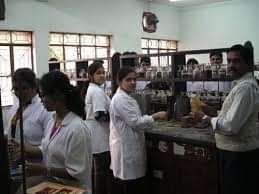
OfficialSonarpur Mahavidyalaya is a other institution in Kolkata, established in 1985. Sonarpur Mahavidyalaya, established in 1978, is a moderate-tier autonomous college located in the Sonarpur area of South 24 Parganas district in West Bengal. The college serves as an important educational hub for students from the eastern metropolitan region and surrounding areas. The institution operates under the aegis of the University of Calcutta and later transitioned to autonomy status, reflecting its academic credibility and institutional maturity over four decades. The college offers a diverse range of undergraduate and postgraduate programs spanning Sciences, Commerce, Arts & Humanities, and specialized professional disciplines. The undergraduate curriculum includes programs in Physics, Chemistry, Biology, Mathematics, Economics, Geography, History, Political Science, English, Bengali, and Commerce. At the postgraduate level, the college provides Master's programs in Physics, Chemistry, Mathematics, and Commerce with reasonable specialization options. The college has also introduced computer science courses recognizing the demand for IT-skilled professionals. Academic infrastructure includes well-equipped laboratory facilities for physics and chemistry with modern instruments, though these require periodic upgrades to match tier-1 institution standards. The library houses approximately 25,000 volumes with digital access to several national journals through the UGC-provided database system. The college has adopted online learning platforms and has been gradually integrating technology into teaching methodologies, particularly following the pandemic-induced shift to digital education. Research activities are concentrated in traditional sciences and commerce. Faculty members have published papers in regional and national journals, though contributions to high-impact international publications remain limited. The college has established research centers in environmental sciences and applied mathematics, though funding for extensive research infrastructure remains constrained compared to central universities. Industry partnerships exist primarily with local manufacturing units and IT consulting firms for internship placements. Placement records show moderate outcomes. For undergraduate students, approximately 45-55% secure campus placements, primarily in IT services, banking, and education sectors. The median salary for placed students hovers around 280,000-350,000 INR annually for engineering/science graduates and 240,000-300,000 INR for commerce graduates. Top recruiters include TCS, Infosys, HCL Technologies, HDFC Bank, ICICI Bank, and several educational institutions. However, it must be noted that higher-paying companies prefer tier-1 and tier-2 institutions, and salary packages at Sonarpur have remained relatively stagnant over recent years. The campus is situated in a suburban setting approximately 25km south of central Kolkata. The location offers relative tranquility but requires commuting for accessing major city amenities. The campus itself spans 12 acres with green spaces, though the physical infrastructure shows signs of aging. Classroom buildings are functional but lack modern architectural design. The library and science blocks are the most maintained areas. The administrative buildings have been renovated recently. Student life comprises approximately 3,200 students across all programs. The college fosters approximately 25 student clubs including technical societies (coding, robotics, electronics), cultural organizations (theatre, dance, music), sports clubs (cricket, football, badminton), and social service organizations. Annual events include the college fest (held in January-February, typically a 2-3 day event), sports day (November), and departmental seminars. Participation rates in cultural activities are moderate, with dedicated students actively involved while many remain academically focused. Hostel facilities exist separately for male and female students with approximately 400 hostel seats available. Hostel quality is basic but adequate - three-to-four-bed rooms with shared bathrooms, basic furniture, and 24-hour water supply. Mess facilities provide vegetarian and non-vegetarian meals with monthly costs around 2,500-3,000 INR. The quality is utilitarian rather than luxurious, but students report adequate nutrition. Off-campus accommodation options are abundant with private PGs and shared flats available at 6,000-12,000 INR monthly, making hostel life more economical. Safety on campus is generally good with CCTV coverage in key areas and security personnel on duty. Ragging incidents are rare, with strict institutional policies discouraging such behavior. Women's safety is reasonably ensured with separate hostel facilities, female security staff, and campus patrol systems. However, the surrounding Sonarpur area requires normal urban caution, particularly for late-night travel. Who should apply: Students seeking affordable quality higher education in Kolkata with moderate infrastructure and placement outcomes should consider Sonarpur Mahavidyalaya. It suits students who prioritize academic rigor in sciences and commerce over cutting-edge facilities. Students unable to secure admission in tier-1 institutions but seeking better teaching quality than purely commercial colleges will find good value. The college is particularly suitable for students from South Bengal who can manage local commuting or prefer staying in hostels close to home. Those aspiring for top-tier placements or research-oriented careers should consider that this institution may require supplementary preparation and self-driven learning. The college provides a stable academic foundation but demands active initiative from students for competitive placement outcomes. Notable characteristics: The college maintains reasonable academic standards with regular assessment mechanisms, a reasonably qualified faculty (approximately 60% with postgraduate degrees and research backgrounds), and structured curriculum delivery. The administrative system is responsive to student grievances through departmental forums and student representative bodies. However, modern amenities like advanced computing labs, high-speed internet in all areas, and contemporary sports facilities lag behind aspirational standards. The college's proximity to Kolkata offers networking opportunities with professionals and cultural exposure, yet the commuting requirement affects daily campus engagement for day scholars.