Sreenivasa Institute of Technology & Management Studies
About
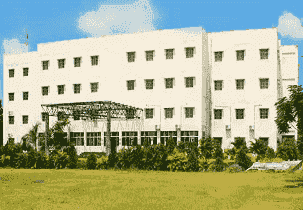
OfficialSreenivasa Institute of Technology & Management Studies is a other institution in Chittoor, established in 2009. Sreenivasa Institute of Technology & Management Studies (SITAMS), established in 2008 in Chittoor, Andhra Pradesh, is a private engineering and management institution offering undergraduate and postgraduate programs. Located approximately 140 km from Bangalore and 80 km from Hyderabad, the institute serves as a bridge between tier-2 city affordability and proximity to major IT hubs. The college is approved by AICTE and affiliated to JNTUA (Jawaharlal Nehru Technological University Anantapur), providing degrees recognized across India. Academic Programs: SITAMS offers B.Tech programs in Civil Engineering, Mechanical Engineering, Electrical & Electronics Engineering, Electronics & Communication Engineering, Computer Science & Engineering, and Information Technology. The institute also provides B.Sc programs in general sciences and MBA programs in general management and specializations. Integrated M.Tech programs are available for science graduates. All engineering programs follow the standard 4-year duration with 4 semesters per year, while management programs span 2 years (4 semesters). The curriculum attempts to balance theoretical knowledge with practical exposure, though industry feedback suggests core engineering concepts need stronger reinforcement in foundational years. Research & Innovation: The institute maintains research laboratories for civil engineering materials testing, electronics & communication signal processing, and mechanical systems. Faculty members have published papers in national conferences and journals, though international publications remain limited. The institute encourages students to pursue research projects, but without substantial funded research grants, output remains modest compared to top-tier institutions. Industry collaboration with manufacturing units in the Chittoor region provides practical exposure but lacks depth in emerging technologies like AI/ML and advanced automation. Campus Infrastructure: The 45-acre suburban campus houses separate buildings for engineering and management disciplines, modern classrooms with projector facilities, laboratories equipped with essential equipment (though not always the latest generation), library with 25,000+ volumes and digital access, cafeteria, and sports grounds. WiFi coverage is inconsistent in some hostel blocks and distant academic buildings. The campus setting is relatively serene, away from urban chaos, providing a conducive study environment for focused learners. However, isolation from major tech ecosystems means limited spontaneous industry networking opportunities. Placement & Career Outcomes: The institute reports placement percentages of 70-80% for engineering graduates and 75-85% for MBA students during peak recruitment cycles. Median salaries for engineering graduates range from 3.5-4.5 lakhs annually, with top performers exceeding 8-10 lakhs in IT roles. Recruiters are primarily mid-tier IT companies (Infosys, TCS, Wipro pool campus), tier-2 IT firms, and local manufacturing units. Non-IT placements in mechanical and civil branches are decent but often at lower salary bands (2.5-3.5 lakhs). The placement cell is reasonably proactive, organizing pre-placement training and aptitude-building workshops, though students from metro-based colleges report better offers. Campus Life & Student Experience: Student life is moderate with limited extra-curricular opportunities compared to large metros. Technical clubs (Robotics, Programming Club, IEEE Student Chapter) exist but function with varying enthusiasm. Annual technical fest "TechnoFiesta" and cultural fest "Kaleidoscope" provide platforms for participation. Sports facilities include cricket ground, basketball court, and badminton courts. Gender ratio in engineering is approximately 15% female, resulting in limited diversity in social dynamics. Hostel life is the social hub—students report decent bonding, though amenities are basic and meals are functional rather than exceptional. Ragging is reportedly minimal, with strict institutional policies and regular monitoring. Student Demographics & Support: The institute attracts students who secure ranks in 8,000-25,000 in JEE Mains, making it accessible to students not meeting cutoffs for top NITs or IITs. First-generation students form a significant portion, seeking value-for-money engineering education. Scholarship schemes exist for merit (5-10% students) and merit-cum-means basis, though amounts are modest (₹5,000-15,000 per semester). Counseling and career guidance services are available but understaffed. Placement training covers core aptitude and technical skills, though domain-specific expertise development relies heavily on individual initiative. Who Should Apply: SITAMS is ideal for students seeking engineering or management education in a more affordable, tier-2 setting with reasonable placement outcomes. Best suited for: • Students targeting 3.5-5 lakh entry-level IT roles in tier-2 companies • Mechanical/Civil engineering aspirants interested in manufacturing or infrastructure sectors • MBA candidates from engineering backgrounds seeking affordable postgraduate credentials • First-generation learners prioritizing education access over metro prestige • Students from Andhra Pradesh and bordering states minimizing relocation costs Not Recommended For: • Those aiming for pre-placement offers from Google, Microsoft, or FAANG companies (limited access) • Students seeking research-intensive environment with cutting-edge labs • Those prioritizing cosmopolitan campus life and entertainment options • International exchange program aspirants (minimal global partnerships) Unique Strengths: Affordable fees (₹1.2-1.8L annually for engineering vs. 2-3L at metro private colleges), decent placement success given price point, relatively stress-free student life, and strong alumni network in tier-2 IT companies. Growing recognition in manufacturing and infrastructure domains. Limitations: Limited alumni network in FAANG and product companies, average faculty research output, outdated lab equipment in some departments, minimal international exposure, and slower adaptation to emerging technology trends compared to top-30 engineering colleges.