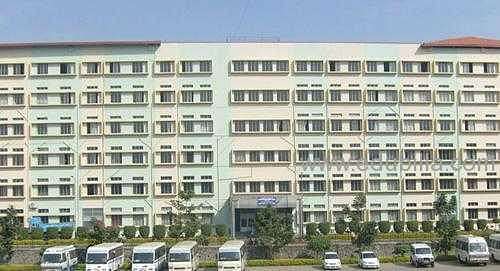
Sinhgad Dental College & Hospital
About
OfficialSinhgad Dental College & Hospital is a other institution in Pune, established in 2006. Sinhgad Dental College & Hospital (SDCH) was established in 2005 as part of the Sinhgad Academy of Engineering under the Sinhgad Group, one of Maharashtra's oldest and most respected educational institutions. The college is located in Vadgaon Budruk on the Pune-Satara Road, approximately 25 km from Pune city centre, placing it in a semi-urban setting with relatively easy accessibility to the city. The institution is recognized by the Dental Council of India (DCI) and holds NAAC accreditation with Grade-B status as of 2024, reflecting its commitment to quality dental education and institutional governance. SDCH offers comprehensive dental education across undergraduate (BDS - Bachelor of Dental Surgery, 5-year integrated program), postgraduate (MDS programs), and doctoral (PhD) levels. The BDS program admits 60 students annually through NEET examination, making it a relatively selective institution within the private dental college sector in Maharashtra. The college operates a 150-bed dental hospital attached to the campus, providing students with extensive clinical exposure and real-world patient care experience. This integration of academics with a functioning hospital is a significant strength, as students gain hands-on experience from their second year onwards under faculty supervision. The hospital treats approximately 8,000-10,000 patients annually across specializations including Conservative Dentistry, Prosthodontics, Orthodontics, Pediatric Dentistry, Oral Surgery, and Periodontics. Academically, SDCH follows the University of Pune syllabus for undergraduate programs and focuses on evidence-based learning with regular clinical case discussions and seminars. Faculty members, predominantly with MDS degrees and several with PhD qualifications, engage in research activities primarily in oral pathology, prosthodontic rehabilitation, and orthodontic innovations. The college publishes research papers in national and international journals, though the research output remains moderate compared to government dental colleges. Industry partnerships include tie-ups with dental equipment manufacturers and pharmaceutical companies for student internships and final year projects. Campus infrastructure includes well-equipped laboratories for preclinical training (Operative, Prosthodontics, Orthodontics labs), a digital radiology facility, and departmental clinics segregated by specialization. The library houses approximately 8,000+ books and provides access to digital journals through institutional subscriptions. Wi-Fi covers the campus, though connectivity can be inconsistent in hostel areas during peak usage times. Placement outcomes for dental graduates are strong, with nearly 100% employment within 6 months post-graduation. Graduates pursue diverse career paths: approximately 60% establish private dental practices (either solo or group clinics), 25% pursue postgraduate studies (MDS programs in India or abroad, or hybrid BDS+clinical work), 10% work in corporate dental chains or hospitals, and 5% engage in academic/research roles. Average monthly income for private practitioners in the first year ranges from ₹40,000-80,000, while corporate dental jobs start at ₹25,000-35,000 monthly. The college culture emphasizes clinical excellence and professional ethics, with regular workshops on contemporary dental procedures and patient communication skills. Student life revolves largely around clinical training, as the BDS curriculum is intensive with ≥50% of the timetable dedicated to clinical work from 2nd year onwards. Extracurricular activities include a dental club, cultural programs during annual fests (typically in February), inter-college debates, and sports participation through the parent institution's facilities. The college maintains a strict code of conduct regarding professional behavior and patient confidentiality, which prepares students for the regulated healthcare environment. Admission is exclusively through NEET-UG, with average NEET scores for general category students ranging from 450-550 out of 720 in recent cycles. The cost of education is ₹26-28 lakhs for the entire 5-year BDS program, making it competitive with peer private dental colleges in Maharashtra but significantly higher than government colleges (which charge ₹2-3 lakhs). Hostel accommodation is available for approximately 280 students across separate male and female hostels with 2-3 sharing per room, costing ₹60,000-90,000 annually. Mess facilities provide vegetarian and non-vegetarian options, with monthly charges around ₹8,000-10,000. The college is best suited for students with a genuine passion for dentistry, strong academic performance in NEET, financial capacity to afford private education, and commitment to clinical practice or research. It appeals particularly to students seeking a balanced experience of structured academics, direct patient care, and professional development in a growing metropolitan region like Pune. Weak areas include limited international collaboration (few exchange programs), moderate research output compared to government colleges, and the suburban location which requires daily commute to central Pune city for shopping or entertainment. The institution has produced over 1,300 dental graduates since 2005, with notable alumni establishing successful practices across India, Middle East, and USA.