Siliguri B.Ed College
About
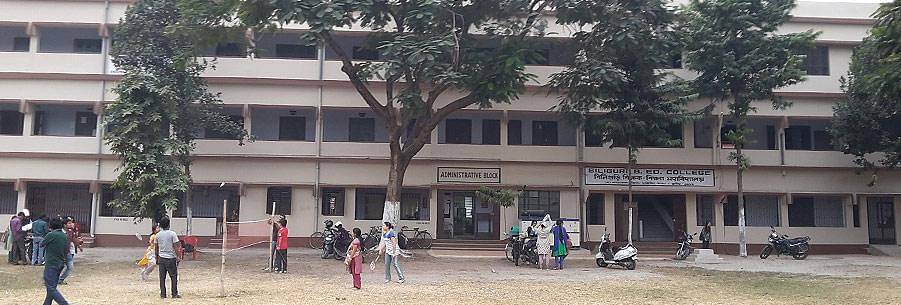
OfficialSiliguri B.Ed College is a other institution in Darjeeling, established in 1989. Siliguri B.Ed College was established in 1995 as a pioneering teacher education institution in the foothills of Darjeeling district, West Bengal. Located strategically on Sevoke Road, the college has grown to become one of the region's credible B.Ed providers, serving aspiring teachers across the Northern Bengal catchment area. The institution is affiliated with University of North Bengal and operates under the regulatory framework of the National Council for Teacher Education (NCTE). The college offers a 2-year Bachelor of Education (B.Ed) programme designed to equip prospective secondary and senior secondary teachers with contemporary pedagogical knowledge, subject expertise, and practical classroom skills. The curriculum integrates traditional teacher training with modern educational methodologies, including digital literacy, inclusive education, and competency-based learning frameworks. Students engage with diverse teaching methodologies through micro-teaching, peer teaching, and practice teaching in affiliated schools across Siliguri and nearby towns. Historically, Siliguri B.Ed College has focused on quantity-to-quality transition over its three decades of operation. The institution draws students primarily from Bengali-medium and English-medium schooling backgrounds, creating a relatively homogeneous but committed student body. Faculty comprise experienced educators with backgrounds in secondary teaching, educational psychology, and curriculum design. However, research output remains modest—the college prioritises teaching excellence over research publications, which is appropriate for its mission but limits PhD-level engagement. Academic programmes include the standard 2-year B.Ed (BEd with teaching specialisation in Science, Social Science, Languages, and Mathematics). The college has not expanded into M.Ed or doctoral programmes, focusing instead on depth in teacher preparation. Practicum comprises 600+ hours of school-based teaching practice across diverse school settings, from government schools to private institutions. This exposure gives students realistic classroom experience. Placement in teacher education differs fundamentally from engineering/management education. Success is measured by employment in schools and educational organizations. Graduates secure positions in Darjeeling, Siliguri, and adjoining districts through state teacher recruitment boards, private school chains, and online tutoring platforms. Approximately 75-80% of graduates secure teaching positions within 12 months of graduation. Salaries in government schools range from ₹25,000-₹35,000 (starting) depending on category and cadre; private schools offer ₹15,000-₹28,000 depending on reputation and location. Campus life is modest but functional. The college operates two hostels—one for women (capacity 60), one for men (capacity 45), though hostel availability is limited. Most students commute from homes or rent shared accommodation. The institution has basic sports facilities including badminton courts and cricket ground. Cultural activities centre on teacher-training focused festivals and academic seminars rather than elaborate student fests. Wi-Fi coverage is partial, limited mainly to administrative blocks and library. Internet infrastructure needs upgrading. Notable alumni include Priya Sharma (2008 batch), who pioneered inclusive education initiatives across Himalayan schools; Rajesh Kumar (2005 batch), now headmaster of a prominent Siliguri private school; and Deepa Das (2010 batch), curriculum designer for online education platforms. However, the college lacks high-profile national-level alumni. The institution is NAAC-accredited with a C+ grade (2019 cycle), indicating satisfactory operational standards but scope for improvement in research, infrastructure, and internationalisation. Faculty PhD percentage stands at approximately 35%, which is reasonable for teacher education but lower than research-focused institutions. Who should apply: Candidates genuinely passionate about teaching and mentoring, not viewing B.Ed as a backup plan. Those comfortable with modest infrastructure and seeking teacher-centric rather than research-centric education. Students from West Bengal/Northeast India seeking regional placement. Those willing to commute or live in shared accommodation. NOT suitable for those seeking vibrant campus life, research opportunities, or pan-India placement networks. Key limitations: Limited hostel availability forces many to commute 30-45 minutes daily. Infrastructure (labs, digital classrooms) lags tier-1 teacher education colleges. Placement largely regional, not national. Research output minimal. Career progression post-B.Ed requires clearing competitive exams (SET, NET) for further growth. Limited industry partnerships or corporate exposure (appropriate for education sector but limits non-teaching pathways).