SIDDARTHA INSTITUTE OF SCIENCE AND TECHNOLOGY
About
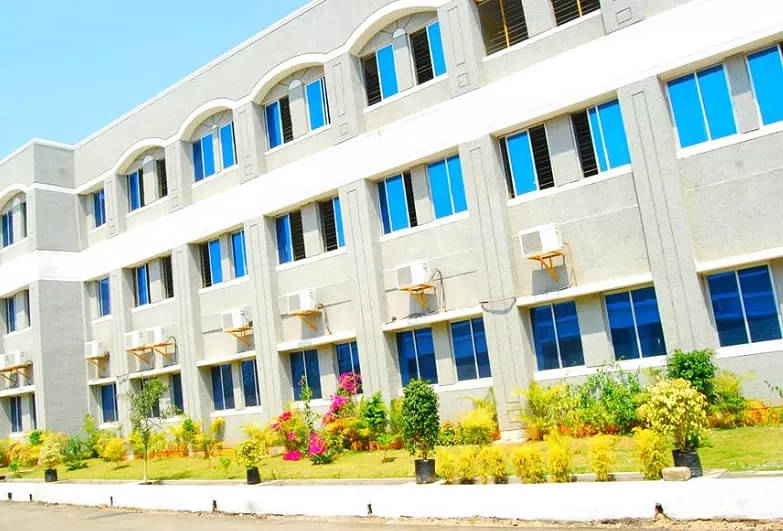
OfficialSIDDARTHA INSTITUTE OF SCIENCE AND TECHNOLOGY is a other institution in Tirupati, established in 2008. Siddhartha Institute of Science and Technology (SIST) was established in 2003 in Tirupati, Andhra Pradesh, as a private engineering college affiliated with Jawaharlal Nehru Technological University, Anantapur (JNTU). Over two decades, it has evolved into a mid-tier engineering institution serving primarily Andhra Pradesh and surrounding southern states. The institute was founded with the vision of providing quality technical education at an affordable cost compared to major metro-based private colleges, making it an accessible option for middle-class engineering aspirants. The campus is located in suburban Tirupati, approximately 20 km from the city center, in a relatively peaceful setting conducive to studies, though somewhat isolated from urban amenities. SIST offers a range of undergraduate and postgraduate programs in engineering disciplines including Computer Science & Engineering, Electronics & Communication Engineering, Mechanical Engineering, Civil Engineering, Electrical & Electronics Engineering, and Information Technology. The institute has gradually expanded its academic portfolio to include management programs at the postgraduate level. Academic Programs: The college primarily functions as an engineering-focused institution with UG B.Tech programs (4 years) across 6-8 branches depending on intake approvals, and PG M.Tech programs in select specialized areas. The curriculum follows JNTU Anantapur guidelines with periodic updates to align with industry relevance. Faculty strength stands at approximately 180 members, with around 35-40% holding PhD qualifications, predominantly from Indian universities and some from abroad. The faculty composition includes both dedicated academics and industry professionals who teach part-time or on contract basis. Research Culture: SIST's research environment is emerging but limited compared to premier institutions. The institute has designated research centers focusing on embedded systems, renewable energy, and civil engineering applications, but research output remains modest with limited publication count in reputed journals. PhD research is minimal, with fewer than 50 doctoral scholars enrolled across the institution. The institute encourages faculty-student projects and has industry partnerships with companies like Infosys, TCS, and L&T for collaborative projects, though these remain largely for placement and training rather than fundamental research. Campus Infrastructure: The 15-acre campus includes academic blocks with attached laboratories for each engineering discipline, a centralized library with approximately 25,000+ books and digital resource access through NPTEL and INFLIBNET, computer labs with around 300+ systems, engineering workshops, and a small innovation hub. The campus has WiFi coverage across most areas, though speed and reliability can be inconsistent during peak hours. The hostel infrastructure consists of separate blocks for boys and girls with capacity for approximately 800-1000 residents. Medical facilities on campus are basic with a small health center and tie-ups with nearby Tirupati hospitals. The cafeteria serves vegetarian and non-vegetarian meals with average quality. Placements: SIST has achieved reasonable placement metrics for a mid-tier private college. In the 2023-24 academic year, the overall placement percentage ranged from 75-82% across batches, with significant variation by branch. Computer Science and Information Technology branches achieve 90%+ placement rates with median salaries in the 6-7 LPA range, while Civil and Mechanical Engineering branches range from 60-70% placements at 4.5-5.5 LPA. Top recruiting companies include TCS, Infosys, Wipro, HCL, Tech Mahindra, Capgemini, and various smaller IT and consulting firms. Manufacturing and core engineering placements are limited, with most absorbed by IT/ITES sector. The highest salary package recorded is around 15 LPA for exceptionally performing CSE students, but this is not representative of the general population. Notably, the institute does not secure placements from premium consulting firms like McKinsey or Goldman Sachs, and campus recruitment by MAANG companies (Meta, Apple, Amazon, Netflix, Google) is minimal. Student Profile: The student intake comprises primarily candidates from Andhra Pradesh, Telangana, and neighboring states who either couldn't clear JEE Main with sufficient scores for NIT/IIIT or chose SIST for affordability. The admission primarily occurs through local state engineering entrance exams and JEE Main counseling, with some direct admissions for management quota seats at premium fees. The average student here is motivated but faces limitations in competitive programming and advanced problem-solving due to pre-college academic foundation gaps. Campus Life: Student life at SIST is moderately active with various clubs and societies covering technical, cultural, and sports domains. The annual technical fest 'Zephyr' and cultural fest 'Xenith' attract moderate participation, though these events operate at a smaller scale compared to NIT/IIIT events. Sports facilities are basic with a sports complex housing volleyball, badminton, and basketball courts, though cricket and football grounds are shared or contracted. Internet connectivity on campus is provided by multiple operators but speeds remain 20-40 Mbps during peak usage. Hostel life is functional but crowded, with 3-4 students per room being common in some blocks. Mess food quality is average with limited dietary options. Ragging is formally prohibited with strict mechanisms, though occasional incidents may occur; safety for women is generally adequate with dedicated women hostels and campus patrols. The overall campus environment is study-focused but somewhat monotonous for students seeking vibrant social engagement. Unique Characteristics: SIST positions itself as an affordable alternative to tier-1 private colleges in metros while offering industry-relevant curricula and decent placement support. The location in Tirupati, home to the famous Venkateswara Temple, attracts several students seeking both education and spiritual/cultural environment. The institute maintains reasonable academic standards through continuous monitoring and has initiated entrepreneurship development programs and incubation cells in recent years. Notable Alumni: While SIST does not have prominent national-level alumni in elite positions, graduates have secured positions in IT majors, startups, and multinational companies across India and abroad. Some alumni have founded small to medium-sized tech startups in Tier-2 cities. The alumni network remains loose compared to established IITs/NITs, limiting mentorship and placement advantages for current students. Who Should Apply: SIST is ideal for students who: 1) Scored 85-95 percentile in JEE Main but missed NIT/IIIT cutoffs; 2) Seek engineering education at 40-50% lower fees than metro private colleges; 3) Prefer a quieter, study-focused environment away from urban distractions; 4) Are open to IT/ITES sector placements; 5) Have family or personal connections to Andhra Pradesh/Tirupati region; 6) Value affordability over brand prestige. Students should manage expectations: this is NOT a tier-1 institution and will not provide brand leverage comparable to NIT/IIIT. Career growth post-placement depends largely on individual merit rather than college brand. Who Should Avoid: Students aspiring for top-tier consulting/finance roles, those seeking elite peer networks, or those with high competitive coding aspirations should consider higher-ranked colleges despite higher fees. The college is not ideal for students prioritizing research or academic rigor at the highest level.