Shyam Lal College
About
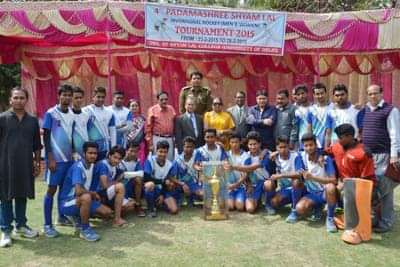
OfficialShyam Lal College is a public institution in New Delhi, established in 1964. Shyam Lal College, established in 1963, is one of Delhi University's distinguished undergraduate institutions located in North Delhi. Founded by prominent educationist Sri Shyam Lal Gupta, the college has evolved into a reputable center for liberal arts and sciences education. Situated within the sprawling Delhi University North Campus complex, it benefits from proximity to other premier DU colleges and central library resources. The college offers 16 undergraduate honors programs across Sciences (Physics, Chemistry, Mathematics, Botany, Zoology, Life Sciences), Commerce, and Arts disciplines. It also runs regular BA and B.Sc programs with flexibility for students who need comprehensive curriculum coverage. The college has in recent years strengthened its science infrastructure with modern laboratories for chemistry, physics, and biology departments. Commerce programs have established strong industry connections, particularly with accounting and finance firms. Academically, Shyam Lal College maintains good standards with consistent NAAC accreditation (B+ grade, last accredited 2021). Faculty members are predominantly postgraduate qualified, with approximately 35% holding doctoral degrees. Research activities are limited but growing, primarily in applied sciences and social sciences domains. The college emphasizes mentor-mentee relationships and small batch teaching, particularly in science honors programs where batch sizes remain under 60 students. Placement outcomes have improved significantly over the past 3-4 years. While STEM placements remain good (82-85% in science branches), commerce and arts streams face moderate placement rates (65-70%). Average starting salaries for science graduates range from 4.5-6.5 LPA, while commerce placements cluster around 4-5 LPA. Major recruiters include TCS, Infosys, ICICI Bank, HDFC Bank, and mid-size consulting firms. The college lacks specialized placement cells and relies heavily on personal industry connections of faculty members. Campus life at Shyam Lal is vibrant with active student organizations. The college celebrates annual cultural festival 'Umang' with significant student participation. Sports facilities are adequate but not exceptional—the college participates in Delhi University inter-college tournaments regularly. Hostel infrastructure exists for approximately 180 students, though hostels are functional rather than luxurious. Being located within DU North Campus, students have access to broader campus facilities including the North Campus library (7-floor facility), sports complexes, and cafeteria networks. The college environment is academically focused with moderate competitive pressure. Science honors students tend to pursue higher education, with good success rates in Delhi University MA/MSc entrance exams and national-level competitive exams. Faculty are generally accessible, though mentorship quality varies significantly across departments. The college culture emphasizes balanced development—academics are prioritized, but cultural and sports participation is encouraged. Notable limitations include: limited research infrastructure compared to premier institutions, modest international collaboration, inadequate Wi-Fi coverage in some buildings, hostel facilities that are outdated in some blocks, and relatively lower average placement salaries compared to top-tier Delhi colleges. The college is best suited for students seeking quality undergraduate education in sciences or commerce with good faculty guidance but without expecting world-class infrastructure. It's particularly suitable for Delhi-based students (approximately 75% of student body) and students comfortable in a consolidated urban environment where college life blends with broader university campus culture. Recent developments include faculty-led skill development programs in data analytics, financial modeling, and research methodology. The college has strengthened its digital infrastructure post-2021 with improved laboratory facilities in chemistry and physics departments. However, the institutional focus remains primarily on undergraduate teaching excellence rather than research productivity.