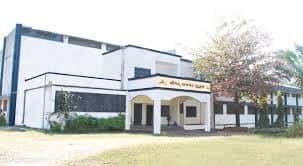
Shrimad Rajchandra School of Sports
About
OfficialShrimad Rajchandra School of Sports is a other institution in Surat, established in 2007. Shrimad Rajchandra School of Sports (SRSS), located in Surat, Gujarat, is a relatively young and specialised institution founded in 2017 with a unique focus on sports education combined with academic rigour. Named after the spiritual philosopher Shrimad Rajchandra, the institution represents an attempt to bridge the gap between athletic excellence and professional education in India—a space traditionally underserved by mainstream higher education. The school operates under the governance of the Shrimad Rajchandra Education Trust and has positioned itself as a pioneering centre for sports science, sports management, and athletic development in Western India. Unlike conventional engineering or management colleges, SRSS deliberately positions itself at the intersection of sports performance and professional knowledge, targeting students who wish to pursue careers in sports science, sports management, athletic training, or professional sports administration. The institution is situated approximately 25 km from central Surat, in a relatively quiet suburban setting that provides reasonable peace for focused study while maintaining proximity to the city's commercial and educational ecosystem. The campus spans 45 acres of relatively well-maintained grounds with dedicated sports facilities, making it one of the few Indian higher-education institutions with genuinely sport-centric infrastructure. SRSS offers undergraduate and postgraduate programmes primarily in Sports Science, Sports Management, Physical Education, and Health Science, with a smaller component of general sciences. The academic model emphasises practical learning, internships with sports organisations, and exposure to both elite and grassroots sports environments. The institution has developed partnerships with state sports departments, private sports academies, and international fitness organisations, creating genuine pathways for placement and further study. SRSS has also been proactive in securing recognition from relevant accrediting bodies and has received attention from the sports ministry for its curriculum innovations. The placement record, while still developing due to the institution's youth, shows promise—graduates have found roles in sports management departments of professional cricket franchises, national sports councils, fitness and wellness companies, and international sports science firms. However, it is important to note that SRSS remains a niche institution with smaller total student numbers and a narrower geographic reputation compared to mainstream engineering or management colleges. This means that while placement outcomes for sports-specific roles are strong, the institution lacks the brand recognition and diverse recruitment base of larger colleges. The student demographic tends to be highly self-selected: individuals genuinely passionate about sports and willing to pursue specialist rather than generalist career paths. The college experience is markedly different from conventional colleges—there is less of the generic 'engineering college culture' and considerably more focus on athletic training, sports science seminars, and outdoor activity. For students arriving from metros expecting cosmopolitan infrastructure, Surat's suburban location may feel less vibrant than major tech or business hubs. Campus life is quieter and more focused; fewer mega-fests, fewer massive tech competitions, but greater emphasis on sports tournaments and wellness initiatives. The institution is particularly well-suited for students who have represented their schools or states in athletics, have genuine interest in sports science or management, wish to combine a professional qualification with sports involvement, or are considering careers in fitness coaching, sports administration, or athletic performance analysis. It is less suitable for students seeking a large, generalist degree with broad employment optionality or those who view college primarily as a social experience. The quality of faculty is reasonable—many instructors have backgrounds in sports science, physiotherapy, or sports management, though research output remains limited compared to older, better-funded institutions. Infrastructure for sports training is the genuine standout: tracks, pools, gymnasiums, and training facilities exceed those of most general colleges. The overall student experience is shaped by the institution's specialisation—this is simultaneously its greatest strength (genuine focus on sports education) and a potential limitation (narrower career flexibility, smaller alumni network, less institutional prestige outside sports sectors).