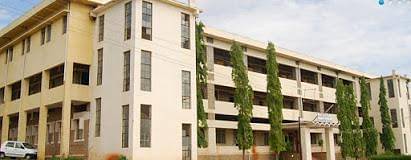
Shri J. G. Co-operative Hospital Society s Ayurvedic Medical College
About
OfficialShri J. G. Co-operative Hospital Society s Ayurvedic Medical College is a other institution in Belgaum, established in 1996. Shri J. G. Co-operative Hospital Society's Ayurvedic Medical College is a pioneering institution in traditional Indian medicine education, established in the early 1980s in Belgaum (now Belagavi), Karnataka. The college was founded with the mission to preserve, promote, and practice Ayurveda in a modern educational framework while maintaining the core principles of this ancient healing science. Located in the heart of the historic city of Belgaum, the institution has grown to become one of the notable Ayurvedic medical colleges in the region, offering comprehensive undergraduate and postgraduate programs in various Ayurvedic disciplines. The college operates under the governance of the Shri J. G. Co-operative Hospital Society and is recognized by the National Board of Examinations (NBE), the Ministry of Ayush, and the State Medical Council of Karnataka. The institution is committed to developing skilled Ayurvedic practitioners who can integrate traditional knowledge with contemporary medical practices, bridging the gap between classical Ayurvedic texts and modern clinical applications. The college maintains a 4.5-acre campus within the urban setting of Belgaum, providing adequate space for academic buildings, practical training facilities, and student amenities. The student body comprises approximately 420 students across various programs, with a balanced gender distribution in recent years, reflecting the increasing participation of women in Ayurvedic medicine. The faculty strength stands at around 38 qualified professionals, with most holding postgraduate qualifications in their respective specializations and several engaged in active research and clinical practice. The college's academic philosophy centers on holistic education combining theoretical knowledge from Ayurvedic classical texts (Charaka Samhita, Sushruta Samhita, Astanga Hridaya) with practical clinical exposure through its attached 100-bed Ayurvedic hospital and specialized clinics. This unique institutional feature provides students with unprecedented clinical learning opportunities in various Ayurvedic specializations including Kaya Chikitsa (internal medicine), Shalya Tantra (surgery), Prasuti Tantra (obstetrics), Kaumarbhritya (pediatrics), Shalakya Tantra (ENT and ophthalmology), Manas Roga (psychiatry), and Panchakrama (detoxification therapies). The college has developed strong research capabilities in areas such as pharmacological validation of classical Ayurvedic formulations, clinical efficacy studies of traditional treatments, standardization of Ayurvedic herbs, and integration of Ayurveda with modern diagnostic tools. Faculty members have published research in peer-reviewed journals and collaborated with institutions in India and abroad to advance evidence-based Ayurvedic practice. The college maintains academic partnerships with other Ayurvedic institutions, Ayush research centers, and select allopathic medical institutions for interdisciplinary learning and collaborative research initiatives. Campus life at the college is enriched by active student participation in seminars, workshops, conferences, and cultural programs. The institution hosts regular guest lectures by renowned Ayurvedic practitioners, research presentations, and student-led clubs focused on clinical case discussions, herbal gardening, and wellness programs. The college celebrates traditional festivals and organizes awareness programs on Ayurvedic principles and health promotion, fostering a community-oriented learning environment. Accommodation facilities are provided for both male and female students through well-maintained hostels with basic amenities, conducive for focused academic pursuits. The college recognizes the need for modern infrastructure and has been upgrading its library with digital resources, implementing computer labs for biostatistics and research methodology training, and enhancing laboratory facilities for practical training in pharmaceutical preparation (Rasa Shastra and Bhaisajya Kalpana). The institutional library contains classical Ayurvedic texts in Sanskrit and vernacular languages, contemporary Ayurvedic literature, and increasing digital access to international journals. The college library subscribes to selected online databases and provides internet connectivity for research and academic purposes. Placement and career support services are provided through a dedicated placement cell that facilitates placements in Ayurvedic hospitals, health centers, wellness clinics, pharmaceutical companies specializing in Ayurvedic products, and government Ayush departments. Given the specialized nature of Ayurvedic education, placement outcomes differ from mainstream medical colleges; however, graduates find employment in diverse sectors including clinical practice in government and private Ayurvedic institutions, pharmaceutical industry, wellness centers, research organizations, and pursue further postgraduate studies. The college encourages entrepreneurship through support for establishing independent Ayurvedic clinics and manufacturing units for Ayurvedic preparations. Notable alumni include practicing Ayurvedic physicians, healthcare administrators in Ayush institutions, researchers contributing to Ayurvedic pharmacology, and entrepreneurs in the wellness industry. The college is particularly suited for students with genuine interest in traditional medicine, those seeking to practice medicine with philosophical depth, students interested in natural and holistic healing approaches, and individuals aspiring to contribute to the preservation and advancement of Ayurvedic knowledge. Admission to the college is merit-based through the NEET (National Eligibility cum Entrance Test) examination, with candidates from diverse educational backgrounds and motivations. The institution is transparent about its positioning: while it offers rigorous training in Ayurveda, employment prospects vary compared to conventional allopathic medicine, and career trajectories are distinct with unique opportunities in the growing wellness and traditional medicine sectors. What makes this college unique is its commitment to maintaining the philosophical foundations of Ayurveda while incorporating modern pedagogy, its affiliated hospital providing direct clinical exposure, and its location in a historically significant city with rich cultural heritage and educational infrastructure. The college is ideal for students seeking specialization in traditional medicine, those interested in bridging traditional and modern healthcare, and individuals committed to serving underserved populations through accessible, holistic healthcare approaches.