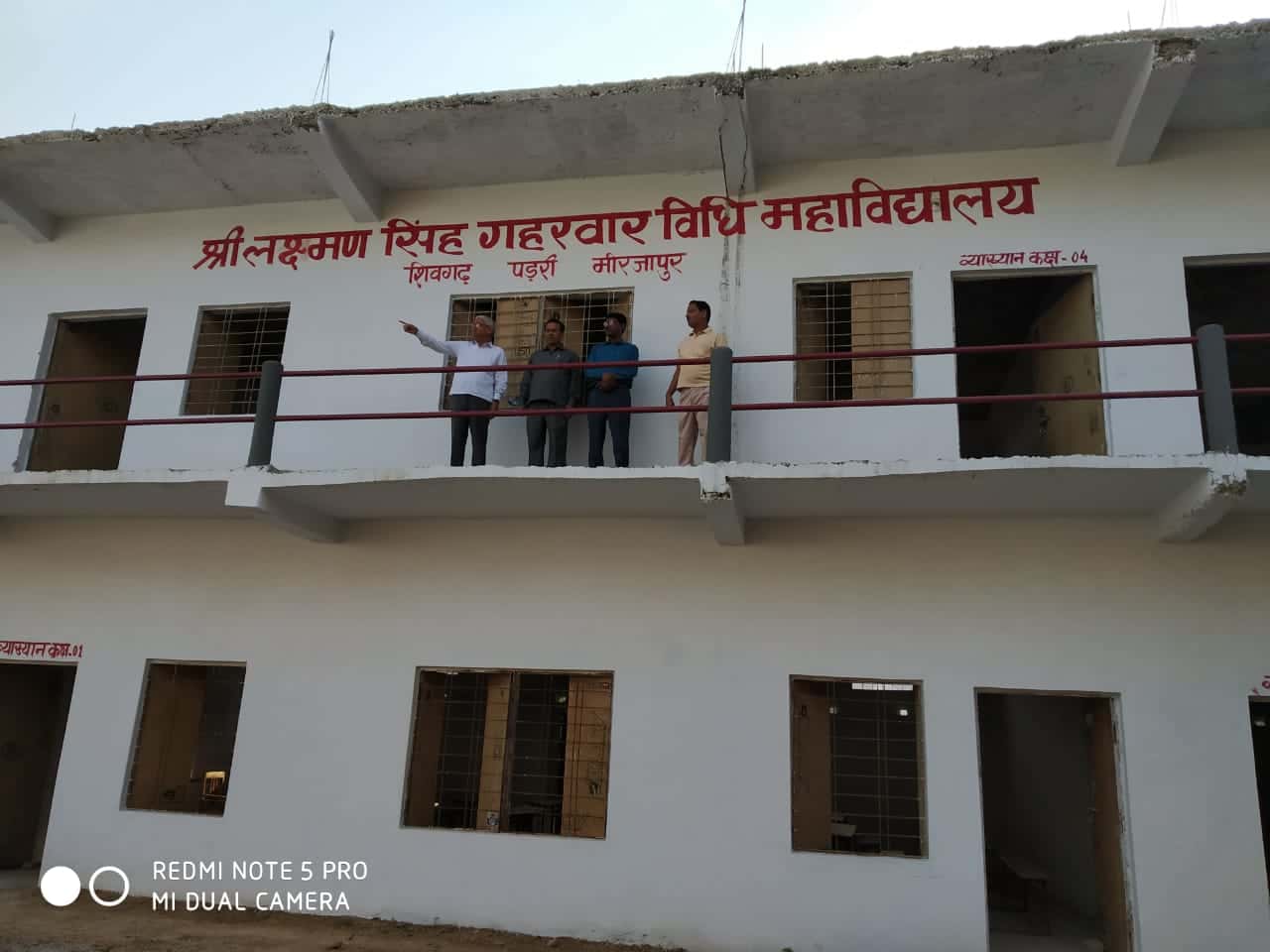
Shree Lakshman Singh Law College, Padari
About
OfficialShree Lakshman Singh Law College, Padari is a other institution in Mirzapur, established in 2019. Shree Lakshman Singh Law College, located in Padari, Mirzapur, Uttar Pradesh, is a private law institution established in 2008 with a mission to provide quality legal education rooted in Indian constitutional values. Named after freedom fighter Shree Lakshman Singh, the college embodies a commitment to creating socially conscious legal professionals. Founded during the early expansion phase of private legal education in India post-Bar Council of India's 1997 Legal Education regulations, SLSLC has positioned itself as a regional law college serving the eastern Uttar Pradesh belt with emphasis on practical legal training and constitutional jurisprudence. The college operates five core programs: a 5-year integrated B.A. LL.B., 3-year LL.B. (for graduates), M.A. in Constitutional Law, M.A. in Criminal Law, and specialized diploma programs in Alternative Dispute Resolution. The curriculum emphasizes Socratic method, moot court practice, and clinician legal education with mandatory internships at district courts and legal aid organizations. Academic strengths include constitutional law scholarship, criminal procedure training, and village legal aid clinics established in surrounding villages. The college maintains partnerships with Banaras Hindu University law faculty for curriculum validation and with All India Bar Association for internship placements. Campus infrastructure includes a 15,000-volume law library with Supreme Court reporter archives, three dedicated moot courts, a legal research center focusing on rural jurisprudence, and a clinical legal education cell. Faculty comprise 28 members, with 14 holding LL.M. degrees and 8 pursuing Ph.D. research in constitutional and criminal law. Placement records show 68-72% placement rates in legal practice, with median salaries ranging from 3.5-4.8 lakhs annually for law graduates entering practice. Students secure positions in law firms, corporate legal departments, legal aid organizations, and judicial internships. Notable alumni include district-level legal aid advocates, corporate counsels, and legal researchers. The college is honest about its limitations: being in a rural setting with limited metro-level corporate legal recruitment, students aspiring for BigLaw positions must compete harder than those from Delhi/Mumbai institutions. However, the college uniquely positions itself for students interested in social justice law, constitutional litigation, and rural legal development. Ragging is virtually non-existent due to small batch sizes and tight-knit community. The college suits motivated students committed to Indian legal education fundamentals, those interested in public interest litigation, and students from regional backgrounds comfortable with smaller faculty interactions. Students report strong mentorship, accessible faculty, and practical courtroom exposure. Cons include limited placement in tech legal roles, minimal international law opportunities, and placement in tier-2 law firms rather than premier organizations. The college is particularly strong for students pursuing judicial services or social justice law careers.