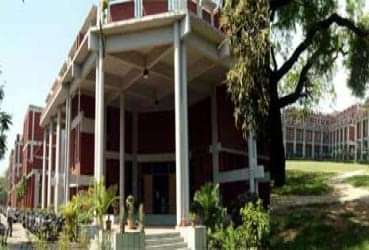
Sarvajanik College of Engineering & Technology
About
OfficialSarvajanik College of Engineering & Technology is a other institution in Surat, established in 1995. Sarvajanik College of Engineering & Technology (SCET), established in 1961, is one of Gujarat's premier engineering institutions located in Surat. Founded by the Sarvajanik Education Society, a charitable organization established in 1821, the college carries a legacy of nearly two centuries of educational commitment. The institution is strategically positioned in Athwalines, Surat, a city that has emerged as a major industrial and IT hub in western India. SCET has evolved from a traditional engineering college into a modern institution offering comprehensive undergraduate and postgraduate programs across multiple engineering disciplines. The college is affiliated with Gujarat Technological University (GTU) and holds NAAC accreditation with a 'B' grade, reflecting consistent academic quality. The institution serves approximately 2,800 students across various engineering and postgraduate programs with a faculty strength of around 180 qualified teachers. The campus spans 12 acres in a suburban setting, providing a balance between proximity to Surat's industrial ecosystem and a relatively calm academic environment. SCET's undergraduate engineering programs span Civil, Mechanical, Electrical, Electronics & Communication, Computer Science, and specialized branches like Information Technology and Chemical Engineering. Postgraduate offerings include Master's programs in various engineering disciplines and management studies. The college has developed strong industry connections with Surat's diamond, textile, chemical, and petrochemical industries, which form the backbone of the regional economy. This proximity to industry has enabled SCET to maintain relevant curriculum and secure internship opportunities for students. The college operates modern laboratories equipped with recent software and hardware for electronics, networking, materials science, fluid mechanics, and renewable energy research. The research focus areas include renewable energy systems, water treatment technologies, textile engineering applications, and industrial automation. Faculty members actively publish in national and international journals, though the research output remains modest compared to premier IITs and NITs. The placement cell at SCET maintains consistent engagement with recruiters from IT, automotive, FMCG, manufacturing, and chemical sectors. Recent placement statistics show around 85-90% of eligible students securing placement offers, with median packages ranging from 4.5-5.5 lakhs annually. The college has attracted recruiters from companies like TCS, Infosys, Cognizant, Bajaj Auto, Lupin, and various smaller tier-2 IT companies. Student life at SCET includes active technical clubs (coding, robotics, IoT), cultural societies, and annual technical fest 'Techfest' and cultural fest 'Rangmanch'. The institution maintains separate hostel facilities for male and female students with basic amenities. The hostel experience has mixed reviews—while cost-effective, some students report dated infrastructure and occasional connectivity issues. The college library holds around 40,000 books with subscriptions to online journals and databases. WiFi coverage is available across the campus, though speed fluctuations occur during peak hours. The location in Surat provides excellent access to industrial sites, manufacturing units, and a thriving economy, making it ideal for engineering students interested in manufacturing, chemical, or textile sectors. However, students from metropolitan areas might find Surat's infrastructure less developed compared to Delhi, Mumbai, or Bangalore. The college's fee structure is considerably affordable compared to private engineering colleges in metropolitan areas, making it accessible to middle-class families. SCET is particularly suitable for students interested in core engineering, manufacturing, and industrial applications rather than pure software development. Students seeking elite research exposure or working culture of mega-metros should realistically consider this a stepping stone rather than a final destination. The college has produced several successful alumni in manufacturing leadership, textile engineering, and chemical industries. Alumni networks exist predominantly within Gujarat and parts of western India. For students willing to work in Tier-2 cities and willing to develop core engineering expertise, SCET provides solid foundational education, practical industry exposure, and affordable living costs. The college's main weakness is limited national brand recognition beyond Gujarat, which can make campus recruitment in metropolitan IT hubs challenging. Students aspiring for multinational consulting, investment banking, or elite tech roles should view SCET as a foundation requiring significant additional self-preparation or postgraduate education from premier institutions.