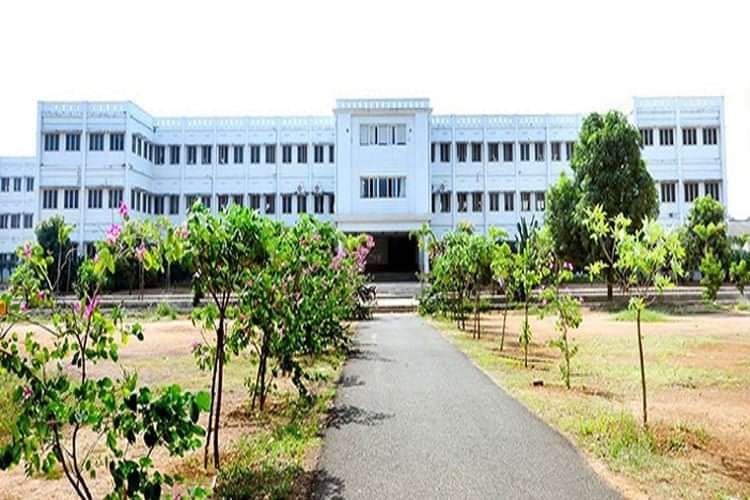
Sasi Institute of Tech Engineering
About
OfficialSasi Institute of Tech Engineering is a private institution in West Godavari, established in 2002. Sasi Institute of Technology and Engineering (SITE), established in 2008, is a private engineering college located in West Godavari district in Andhra Pradesh. Situated on the NH-16 corridor between Vijayawada and Hyderabad, approximately 35km from Vijayawada, the institution has grown to become one of the notable engineering colleges in the region. The college is approved by AICTE and affiliated to Jawaharlal Nehru Technological University (JNTU), Kakinada. Founded with the vision of providing quality technical education at an affordable cost, SITE serves approximately 2,840 students across various undergraduate and postgraduate programs. The campus spans 28.5 acres in a suburban setting, providing a blend of academic rigor and student development opportunities. The institute offers B.Tech programs in 9 disciplines including Computer Science & Engineering, Electronics & Communication Engineering, Mechanical Engineering, Electrical & Electronics Engineering, Civil Engineering, Chemical Engineering, Information Technology, and emerging fields like Artificial Intelligence & Data Science. Additionally, M.Tech programs are available in select specializations, along with diploma courses in Engineering. The academic structure follows the JNTU curriculum with regular updates to align with industry standards and skill requirements. SITE emphasizes practical learning through well-equipped laboratories, engineering workshops, and industry internship programs. The college has established industry partnerships with companies including TCS, Infosys, Wipro, HCL, and various manufacturing firms, facilitating regular guest lectures, seminars, and placement opportunities. The placement record shows consistent performance with approximately 75-80% placement rate in recent years, with average package around 4.2-4.8 LPA and highest packages reaching 11-12 LPA primarily in IT/CS domain. The college library holds over 35,000 books and provides digital access to research journals. Faculty members include several with PhD qualifications (approximately 32% PhD-qualified), and the institute encourages research through departmental research centers. Campus facilities include well-maintained hostels with 24/7 water and electricity supply, a centralized mess system, sports complex with facilities for volleyball, badminton, cricket, and athletics, gymnasium, and health center with resident medical staff. The college conducts annual technical fest 'TECHNOVATE' and cultural fest 'SASI FEST' involving students in competitive technical events, paper presentations, and cultural performances. Student clubs cover technical domains like robotics, programming, and IoT, as well as cultural and sports activities. The campus has integrated WiFi coverage, though connectivity quality varies during peak hours. Hostel accommodation is available for approximately 60% of students with gender-segregated facilities. The gender ratio of the student body is approximately 35:65 (Female:Male), which is below the desired benchmark for an engineering college. The institute maintains a zero-tolerance policy on ragging with periodic awareness sessions and mentor-mentee programs. Safety measures for women students include CCTV surveillance in hostel premises, designated parking areas, and awareness programs. However, the college faces typical challenges of suburban location including limited immediate access to major commercial establishments and entertainment venues. Student reviews highlight strong foundational teaching, affordable fee structure, improving placement ecosystem, but note concerns about outdated infrastructure in certain departments, inconsistent WiFi quality, and limited exposure to advanced technologies compared to tier-1 institutions. The college is most suitable for students seeking affordable engineering education in a structured environment with decent placement support, particularly those from middle-income backgrounds and first-generation learners. It serves well as a stepping stone for students targeting IT sector careers through consistent training and placement cell support. The campus culture emphasizes discipline, hard work, and community engagement, with peer mentoring systems and student welfare committees actively involved in student development.