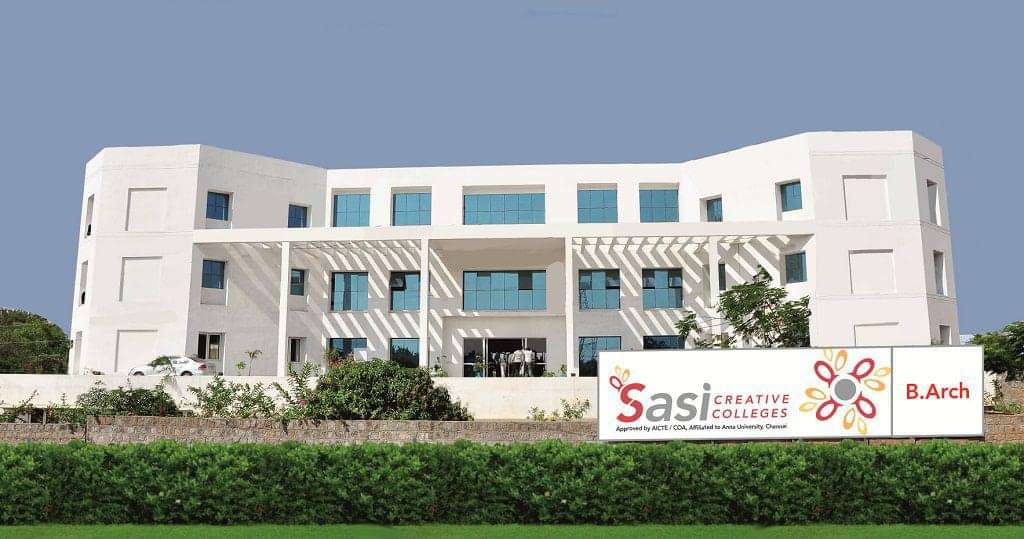
Sasi Creative School of Architecture
About
OfficialSasi Creative School of Architecture is a other institution in Coimbatore, established in 2012. Sasi Creative School of Architecture (SCSA) is a private, autonomous architecture school located in Coimbatore, Tamil Nadu, established in 2011. The institution is dedicated to fostering design-centric architectural education with emphasis on creativity, sustainability, and contextual design practice. Unlike mainstream engineering-dominated architecture programs, SCSA operates as a standalone architecture-focused institution, which fundamentally shapes its pedagogical approach and student experience. The school's founding vision emerged from the recognition that architecture education in India needed institutions that prioritize design philosophy, urban context, and creative thinking alongside technical competencies. SCSA positions itself as a design-led school rather than a technology-first program, attracting students who are passionate about the built environment, design thinking, and social impact through architecture. Academic Programs: SCSA offers a 5-year Bachelor of Architecture (B.Arch) program as its primary degree, with a 40-50 student annual intake. The curriculum integrates studio-based learning, design theory, architectural history, building science, sustainable design, and professional practice. The school has recently introduced elective specializations in sustainable architecture, urban design, and heritage conservation in final-year projects. A 2-year Master of Architecture program (M.Arch) was launched in 2018, focusing on advanced design research and specialized design domains. Design Philosophy: The school emphasizes project-based learning with significant weightage on design studios (approximately 40% of the curriculum). Students work on real-world projects, community engagement initiatives, and competition participation. The design focus is distinctly contextual—with emphasis on tropical architecture suitable to Tamil Nadu's climate, vernacular building traditions, and sustainable design practices appropriate to Indian contexts rather than mimicking global architectural trends. Faculty & Research: The faculty comprises 35 members, including 12 Ph.D. holders and practicing architects. The school maintains strong industry connections with architecture firms, construction companies, and urban development agencies. Research focus areas include sustainable building design, thermal comfort in tropical climates, adaptive reuse of heritage structures, and urban infill projects. Faculty regularly publish in architecture journals and present at national conferences. Campus & Infrastructure: The 2.5-acre urban campus in the Racecourse Road area provides studio spaces, design labs, materials library, workshop facilities, and a specialized architecture library with over 15,000 books and journals. The campus includes a 1:1 scale building prototype area where students can experiment with actual materials and construction techniques. Digital infrastructure includes CAD labs, BIM software access, and rendering facilities. However, the urban campus location means limited space for sports facilities and hostel capacity is constrained. Placements & Career Outcomes: SCSA graduates pursue careers in architecture firms (both national and international), construction companies, real estate development, urban design consultancies, and heritage conservation organizations. Recent placement data (2023-24) indicates 85% placement rate with median salary of ₹4.2 lakhs annually. Notable placements include roles at firms like NATA, Morphogenesis, Architecture Autonomous, and multinational firms like Arup and Godrej Properties. Many graduates pursue further specialization abroad or establish independent practices. Notable Alumni: SCSA alumni have gained recognition in architecture competitions, published design research, and established sustainable architecture practices. Some notable names include Ar. Vinay Prakash (sustainable housing designer), Ar. Divya Nair (urban design consultant for municipal corporations), and Ar. Karthik Murugan (heritage conservation specialist). Alumni network, though growing, remains smaller than established NIT architecture programs. What Makes SCSA Unique: (1) Design-first approach rather than engineering-first, (2) Strong emphasis on contextual, tropical, and sustainable architecture, (3) Project-based learning with real-world engagement, (4) Smaller cohort size (40-50 per batch) enabling personalized mentoring, (5) Autonomous institution status allowing curriculum flexibility, (6) Urban campus location providing direct exposure to Coimbatore's urban challenges and projects. Campus Culture: The school fosters a collaborative, design-centric culture with frequent design workshops, guest lectures by practicing architects, and student-led design competitions. Annual events include Design Fest (design exhibition and competition), Heritage Walk series, and sustainability workshops. The culture emphasizes critical thinking, experimentation, and social responsibility in design. Who Should Apply: SCSA is ideal for students passionate about architecture, design thinking, and the built environment—not just those seeking a professional degree. Ideal candidates should demonstrate: (1) Strong interest in design and creative problem-solving, (2) Ability to articulate spatial thinking and visual communication, (3) Interest in sustainability and social impact, (4) Comfort with project-based, collaborative learning, (5) Openness to experimental design methodologies. Students seeking purely corporate architecture jobs or those focused on construction management might find programs at larger institutions more aligned. Career Scope: Graduates work as architects in practice, urban designers, architectural researchers, heritage conservators, sustainability consultants, interior designers, and educators. Some establish independent design studios. Growing opportunities in sustainable design, adaptive reuse, and climate-responsive architecture align with SCSA's strengths. Limitations to Consider: (1) Smaller alumni network compared to NIT architecture programs, (2) Limited hostels due to urban campus location, (3) Less industry connections for mass recruitment compared to larger institutions, (4) Private institution fees significantly higher than NIT programs, (5) Placement in core architecture practice slower than engineering placement cycles, (6) Limited research funding compared to government institutions, (7) Smaller campus constrains sports and extracurricular diversity. Accreditation: SCSA holds autonomy from the government of Tamil Nadu and is recognized by the Council of Architecture (CoA) for Bachelor of Architecture programs, enabling graduates to pursue architectural registration in India.