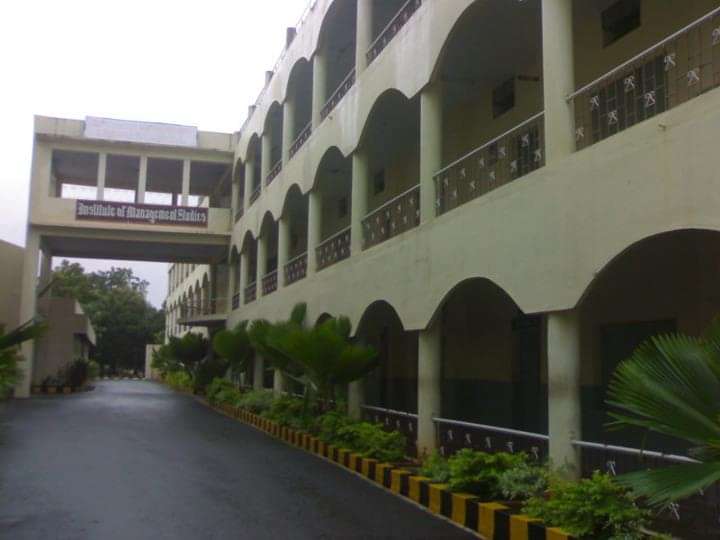
RVS College of Engineering and Technology, Dindigul
About
OfficialRVS College of Engineering and Technology, Dindigul is a other institution in Dindigul, established in 2009. RVS College of Engineering and Technology, Dindigul, established in 2000, is a private engineering institution located in the Chinnakuppam area of Dindigul, Tamil Nadu. Founded by the RVS Educational Trust, the college has grown to become a significant engineering education provider in the Dindigul district, catering to approximately 2,800 students across various engineering disciplines. The institution is affiliated with Anna University and offers undergraduate and postgraduate programs in engineering. The campus spans 25 acres in a suburban setting on the outskirts of Dindigul city, providing a relatively peaceful academic environment away from urban congestion while maintaining reasonable connectivity to the city. RVS College has positioned itself as a mid-tier private engineering college with emphasis on industry-focused curriculum and practical skill development. The college operates 8 undergraduate engineering programs and 5 postgraduate specializations, with a total student intake capacity of approximately 1,200 students at the undergraduate level. The academic structure follows the Anna University curriculum, ensuring consistency with standard engineering education frameworks across Tamil Nadu. The institution has received NAAC accreditation with a B+ grade, indicating moderate academic standards and institutional practices. The college maintains NBA (National Board of Accreditation) accreditation for select engineering programs including Computer Science Engineering and Mechanical Engineering, validating the quality of these specific departments. Infrastructure development has been an ongoing focus, with the college investing in laboratories, library resources, and computing facilities to support engineering education. The library houses approximately 35,000 books and provides access to digital databases, though students often report limited rare collection availability. Computer labs are equipped with standard configurations suitable for basic software engineering and programming coursework, with approximately 400 computers distributed across multiple labs. The placements scenario at RVS College reflects the broader mid-tier engineering college landscape—with placement percentages typically ranging from 65-75% in recent years, meaning 25-35% of graduating students do not secure campus placements within the offered timeline. Those who do get placed secure roles predominantly in IT services companies, with median package hovering around 4.5-5.5 lakhs annually. The college has established relationships with major IT recruiters including Infosys, TCS, Cognizant, HCL, Wipro, and Tech Mahindra, with occasional placements in core engineering and manufacturing sectors. However, the college struggles with placements for civil engineering graduates compared to CS and mechanical streams. Research activity at RVS is limited, with faculty engagement primarily focused on teaching rather than published research. There are no dedicated research centers or laboratories for advanced research, and faculty publication records are modest. Industry partnerships exist with IT companies for internship and recruitment purposes, but collaborations for research projects are sparse. The college does not have a strong research publication record in indexed journals, limiting opportunities for research-oriented students. Campus life at RVS reflects a typical mid-tier private engineering college environment. The college has approximately 15-20 active student clubs spanning technical, cultural, and sports domains. Major events include the annual technical fest held around March-April and cultural fest in December. Student participation is reasonable, though engagement levels vary. The college hosts 2-3 intra-college competitions annually in sports, cultural activities, and technical domains. Hostel facilities are available for both boys and girls on campus, accommodating approximately 400 students. Hostel conditions are basic with 3-4 sharing per room, with monthly charges around 4,000-6,000 INR depending on room configuration and occupancy. Mess charges are approximately 3,500-4,000 INR monthly for 24-hour service with typical South Indian fare. Food quality at the mess is considered average by most students, with vegetarian options readily available and non-vegetarian meals 3-4 times weekly. The college maintains strict attendance policies (minimum 80% required) and has relatively rigid hostel rules with restricted visitor policies and gate timings (typically 8 PM for girls, 10 PM for boys). Several off-campus accommodations exist in nearby areas—shared flats typically rent for 6,000-10,000 INR monthly per person, with paying guest accommodations ranging from 5,000-8,000 INR monthly. Safety for women students is reported as generally safe with campus monitoring, though some students note that surrounding areas outside campus could be better lit and patrolled. No major ragging incidents have been reported in recent years, with the college maintaining anti-ragging committees and awareness programs. The college's location in suburban Dindigul presents both advantages and challenges. Dindigul is a Tier-3 city in Tamil Nadu, approximately 350 km from Chennai and 150 km from Coimbatore, making it somewhat isolated from major metro centers. The nearest airport is Coimbatore International Airport, approximately 150 km away (2.5-3 hour drive). Dindigul railway station is approximately 12 km from campus, well-connected to Chennai, Bangalore, and other major cities via express trains. Local transportation relies on auto-rickshaws, buses, and private vehicles—no metro or sophisticated public transport exists. The city experiences hot summers (March-May) with temperatures reaching 38-40°C, mild winters (December-February) with temperatures around 20-25°C, and southwest monsoons (June-September) bringing moderate rainfall. Living expenses for students in Dindigul are relatively modest compared to metro cities—on-campus monthly expenses (excluding tuition) typically range from 8,000-12,000 INR, while off-campus living in shared accommodations can be managed on 10,000-15,000 INR monthly. The city lacks cosmopolitan amenities—limited fine dining options, no major shopping malls, modest entertainment infrastructure. Food costs are low with meal options averaging 40-80 INR for simple meals and 100-150 INR for better dining. Internet connectivity in hostels is adequate with speeds around 20-30 Mbps, campus WiFi coverage is partial (mainly academic buildings), making off-campus WiFi a common necessity for students. The college has established itself with a utilitarian approach to engineering education—focusing on curriculum delivery and skill training rather than research innovation or premium campus experience. The institution suits students seeking affordable engineering education with reasonable placement outcomes in IT services sector, but may disappoint those seeking research opportunities, elite campus facilities, or strong core engineering placements. Alumni network is growing but not exceptionally strong; many graduates work in IT services companies across India with limited senior-level representation in industry or entrepreneurship. The college's focus on accessibility (affordable fees, scholarship options) makes it attractive for middle-class families, but the limitation in research, limited industry partnerships beyond IT services, and isolation from major metros are realistic drawbacks students should consider.