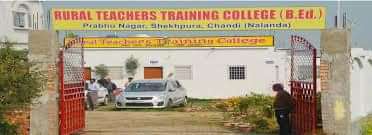
Rural Teacher Training College
About
OfficialRural Teacher Training College is a other institution in Nalanda. Rural Teacher Training College, located in Nalanda district of Bihar, is a government-aided institution dedicated to teacher education and educational development in rural India. Established in the late 1990s as part of the state's initiative to strengthen primary and secondary education in underdeveloped regions, the college serves as a hub for training educators who will eventually teach in rural schools across Bihar and neighboring states. The institution operates under the mandate of the Bihar State government and is affiliated with appropriate teacher education regulatory bodies. The college primarily focuses on Bachelor of Education (B.Ed) programs with a strong emphasis on pedagogy, curriculum development, and practical classroom experience. Its academic programs are designed to produce teachers who understand rural contexts, community needs, and ground-level educational challenges. The curriculum integrates theory with extensive field work, including practice teaching in affiliated rural schools where trainees gain hands-on experience. The faculty comprises experienced educators with backgrounds in education, psychology, subject methodology, and rural development. Many have worked in rural educational settings and bring practical insights to classroom discussions. The college maintains partnerships with several government schools in the surrounding districts for practice teaching programs and educational research. Campus life in this rural setting is distinctly different from urban institutions. The environment promotes community engagement, with students actively participating in local village development activities, adult literacy programs, and educational awareness campaigns. The college operates a modest hostel facility for students from distant areas, though the infrastructure is basic compared to metropolitan institutions. The surrounding Nalanda district has historical significance in Buddhist education, with the ancient Nalanda University ruins representing one of the world's oldest centers of learning. This heritage influences the college's educational philosophy. Living conditions in rural Nalanda require significant adjustment for students from urban backgrounds. The town has limited commercial amenities, minimal entertainment options, and basic healthcare facilities. Internet connectivity is spotty, and digital resources are limited. Transportation relies heavily on local buses and auto-rickshaws. Food options are limited to local eateries serving traditional Bihar cuisine. The nearest significant urban center is Patna, approximately 90km away. Placement opportunities are primarily in government schools through teacher recruitment processes, with some students pursuing further education in education management or research. The college does not engage in campus recruitment like engineering or management institutions; instead, graduates appear for state-level teacher eligibility examinations and school recruitment drives. Notable alumni include teachers who have shown exceptional work in rural education, education administrators in Bihar government schools, and researchers focusing on rural pedagogy. Some have established educational NGOs working in underprivileged areas. The college is recommended for students genuinely committed to rural education, those from rural backgrounds seeking to contribute to their communities, and individuals with strong social commitment rather than profit-oriented career goals. It suits candidates who value meaningful work over high salaries and are prepared for the challenges of rural living and teaching in resource-constrained environments. The institution attracts students from rural Bihar who aspire to become teachers but cannot afford or are unwilling to relocate to metropolitan cities. It also serves urban students with genuine passion for rural education transformation. Applicants should understand that this is not a springboard to lucrative careers but a pathway to socially meaningful work in education. The college's strength lies in its connection to rural communities and practical teacher training, but limitations include outdated facilities, limited research opportunities, weak digital infrastructure, and minimal exposure to contemporary educational technology.