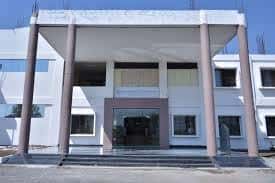
Rural Dental College
About
OfficialRural Dental College is a other institution in Ahmednagar, established in 1984. Rural Dental College, Ahmednagar, is part of the Pravara Institute of Medical Sciences, a pioneering medical education institution established in 1993 with a mission to serve rural healthcare needs. The college was founded with the explicit vision of training dental professionals committed to serving underserved populations and bridging the healthcare gap in rural Maharashtra. Located in Loni, approximately 80 km from Pune and 120 km from Mumbai, the college operates from a sprawling 28-acre campus that provides both academic facilities and patient care infrastructure. The institution was established recognizing the acute shortage of dental professionals in rural India and the limited access to quality dental care in agricultural regions. Over three decades, Rural Dental College has grown to become one of Maharashtra's respected dental education centers, maintaining its foundational commitment to rural healthcare while building strong academic and research programs. Academic Programs: The college offers comprehensive dental education spanning Bachelor of Dental Surgery (BDS), Master of Dental Surgery (MDS) in multiple specializations, and Diploma programs. The BDS program is a 4-year integrated course with 100 seats annually, featuring a modern curriculum that balances theoretical knowledge with extensive clinical exposure. Students participate in patient care from early semesters through the college's dental clinics serving surrounding villages. MDS programs include Prosthodontics, Orthodontics, Periodontics, Conservative Dentistry, and Public Health Dentistry, each with 4-6 annual seats. The college also offers Diploma in Dental Hygiene, reflecting commitment to preventive dentistry and public health outreach. Research and Innovation: The college maintains active research programs focused on rural health challenges, including oral health epidemiology, community dentistry interventions, and traditional medicine integration. Faculty members publish regularly in national and international journals. The institution has established research centers for rural oral health studies and community health programs, distinguishing itself through applied research solving real healthcare problems rather than purely theoretical pursuits. Collaborations with government health departments enable field research and community health camps. Campus Infrastructure: The college boasts modern dental clinics equipped with contemporary operative and surgical equipment, digital radiography suites, prosthodontics laboratories, and orthodontics treatment centers. The library houses substantial dental reference collections including international journals, textbooks, and digital databases. Learning resource centers provide computerized learning stations and simulation facilities. The parent institute's larger infrastructure includes general hospital facilities, research laboratories, and administrative centers, creating an integrated medical education ecosystem. Placement and Career Outcomes: Graduates typically pursue private practice in urban and semi-urban centers, public health positions through competitive examinations, and specialist roles. The college's rural focus means many graduates deliberately choose to establish practices in underserved areas, though placement statistics reflect broader dental education outcomes. Average placement rates hover around 85-90%, with graduates finding employment in corporate dental chains, government health departments, and establishing independent practices. Unique Aspects: Unlike urban dental colleges that may focus primarily on affluent patient treatment, Rural Dental College maintains active community dental camps, school oral health programs, and village health initiatives. Students gain irreplaceable experience treating diverse patient populations and managing resource-constrained healthcare settings. This practical exposure to real-world challenges differentiates graduates' readiness for diverse career paths. The college's location in a rural setting, while limiting urban amenities, provides authentic context for understanding India's healthcare infrastructure. Faculty and Academic Rigor: The institution employs qualified faculty with postgraduate qualifications from recognized institutions. While not all faculty members have extensive international research backgrounds, the teaching quality is generally competent with strong clinical mentorship. The curriculum aligns with Dental Council of India standards with modern updates reflecting evidence-based dentistry. Regular faculty development programs and clinical skills workshops maintain academic standards. Challenges and Honest Assessment: Being located 120 km from Mumbai and in a rural setting means limited access to urban amenities, entertainment options, and career networking with large metropolitan-based corporate dental chains. The immediate surroundings lack developed infrastructure like shopping centers, restaurants, and recreational facilities that urban college students expect. Clinical patient diversity is high, but the volume and complexity of cases may be lower than university hospitals in metropolitan areas. Hostel accommodations, while functional, are modest compared to private colleges in tier-1 cities. Who Should Apply: This college suits candidates genuinely interested in dental careers, comfortable with rural environments, and motivated by serving underserved populations. Ideal applicants prioritize clinical skills, community health understanding, and practical experience over campus brand prestige. Students seeking metropolitan infrastructure and high-paying corporate placements exclusively may find the location constraining. Those pursuing specialized dentistry requiring extensive postgraduate research may benefit from institutions with larger research ecosystems. The institution attracts students from middle-class backgrounds, primarily from Maharashtra and neighboring states, with genuinely modest annual fees compared to private dental colleges in metropolitan areas. The student community includes individuals from agricultural families and small towns, creating a culturally diverse environment distinct from purely metropolitan engineering or medical colleges. Alumni include rural dental practitioners, public health officers, corporate dental consultants, and academics, reflecting diverse career trajectories shaped by individual choices rather than restrictive placement structure.