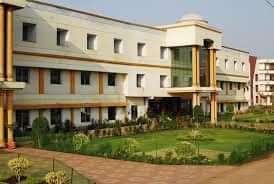
Rungta College of Dental Sciences & Research
About
OfficialRungta College of Dental Sciences & Research is a other institution in Raigarh, established in 2005. Rungta College of Dental Sciences & Research, established in 2006, is a private dental institution located in Raigarh, Chhattisgarh. The college was founded by the Rungta family with the vision of providing quality dental education and advancing oral healthcare in central India. Situated on the Delhi Road, the campus occupies approximately 8.5 acres in a semi-urban setting with reasonable proximity to educational infrastructure. The college operates under the governance of the Dental Council of India and is recognized by the Ministry of Education, Government of India. It is one of the few standalone dental colleges in Chhattisgarh state, making it a significant institution for aspiring dentists in the region. The institution has gained recognition for its balanced approach to theoretical knowledge and clinical practice, with a well-equipped dental laboratory and patient care facilities. The college is affiliated with Hidayatullah National Law University for regulatory and academic oversight. Rungta College offers an integrated Bachelor of Dental Surgery (BDS) program as its primary undergraduate offering, alongside postgraduate specialization programs in various dental disciplines. The institution emphasizes hands-on clinical training from early semesters, with students gaining exposure to real patient cases in the college's dental clinic. The academic curriculum is designed to align with modern dentistry practices while maintaining strong foundational knowledge. Research is encouraged through faculty-led projects, and the college has published papers in peer-reviewed journals, though the research output remains moderate compared to metropolitan dental schools. The college maintains tie-ups with various hospitals and diagnostic centers in Raigarh and neighboring areas for clinical rotations and externships. Faculty members are primarily BDS and MDS qualified, with some holding qualifications from reputed institutions. The student-teacher ratio is approximately 7:1, allowing reasonable individual attention in smaller clinical settings, though class lectures sometimes accommodate large batches. Campus facilities include a modern dental clinic with multiple operatory chairs, digital radiography units, sterilization areas, a small research laboratory, a library with dental textbooks and journals, computer labs, and basic recreational facilities. Internet connectivity is available campus-wide, though speeds can be inconsistent during peak hours. The hostel accommodates approximately 200 students and is segregated by gender, with separate facilities for male and female residents. Hostel rooms are shared (2-3 per room) and furnished with basic amenities like beds, tables, and wardrobes. The mess serves vegetarian and non-vegetarian food with regular dietary rotation, though food quality receives mixed reviews from students. Placement outcomes have been improving, with graduates securing positions in both clinical practice and corporate dental chains. Many graduates establish private dental clinics in Chhattisgarh and neighboring states. The college is working towards improving its research reputation and has plans for additional postgraduate programs. The major challenge remains the location in a tier-3 city with limited industrial ecosystem, which can make engineering and technology components of dental education less relevant, though this is not a significant issue for dental-specific programs. Another concern is the smaller alumni network compared to metropolitan dental schools, which can limit peer support and career networking opportunities post-graduation. The college experiences good domestic placement in dental practices but limited international dental placements. Raigarh itself is an industrial town known for steel and power generation, so campus life reflects a smaller-city environment with limited entertainment and cosmopolitan amenities. The college is ideal for students seeking dental education with reasonable infrastructure at a moderate cost, who are comfortable with a smaller-city setting, and who plan to practice dentistry in central or eastern India. It is particularly suitable for students from Chhattisgarh, Madhya Pradesh, and surrounding regions seeking proximity to home. Students should be prepared for a more academically focused environment with fewer extracurricular diversity compared to larger metropolitan institutions.