Royal Educational Institute
About
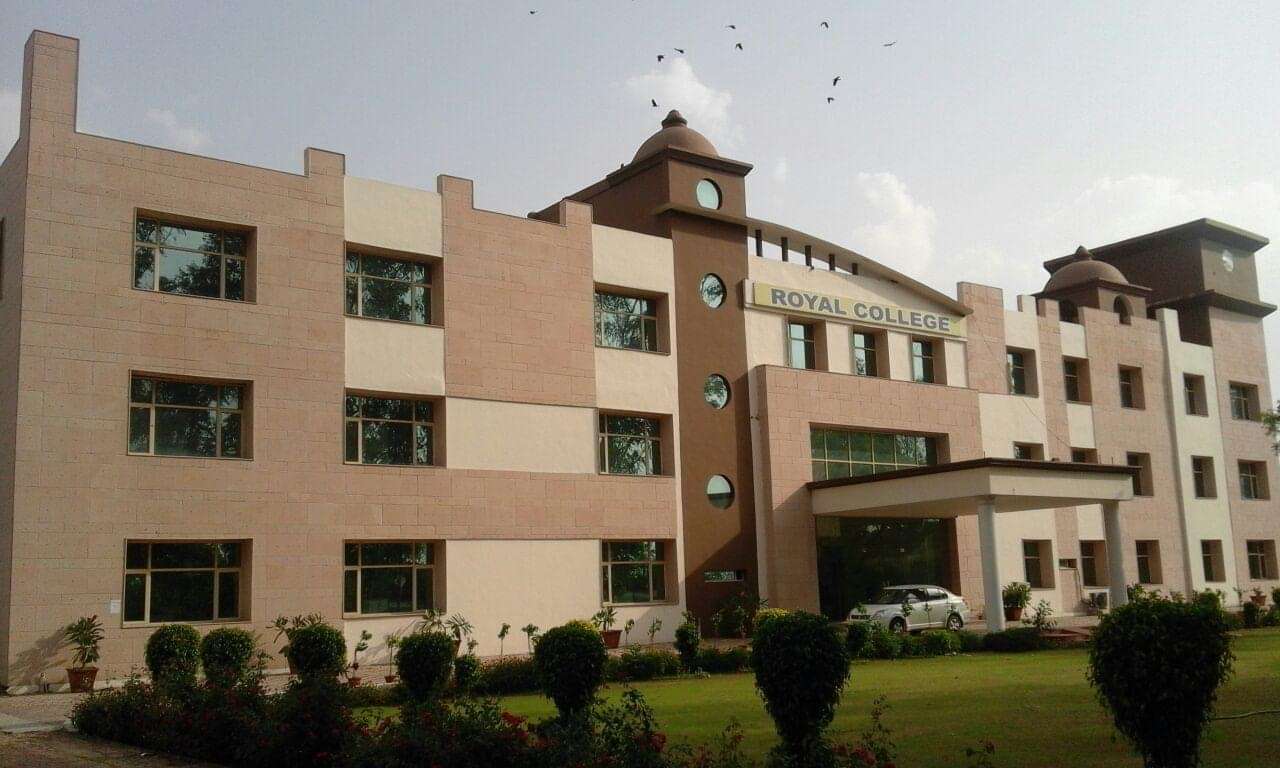
OfficialRoyal Educational Institute is a other institution in Ghaziabad, established in 2006. Royal Educational Institute (REI), established in 2004, is a private engineering and management institution located in Ghaziabad, Uttar Pradesh. Built on the foundation of providing quality technical education with industry-relevant curricula, REI has evolved into a mid-tier engineering college that serves approximately 3,200 students across undergraduate and postgraduate programs. The institute is situated in the NCR region, approximately 25 km from Delhi, making it strategically positioned for placements and internships in India's largest corporate hub. The college offers undergraduate engineering programs in Civil Engineering, Mechanical Engineering, Electronics and Communication Engineering, Computer Science and Engineering, Electrical Engineering, and Information Technology. At the postgraduate level, it provides M.Tech programs in specialized areas and MBA programs in Finance and Marketing specializations. The institute also offers diploma programs in various engineering disciplines, catering to students from diverse educational backgrounds. Academically, REI follows a structured curriculum designed to balance theoretical knowledge with practical application. The engineering programs are affiliated with Dr. A.P.J. Abdul Kalam Technical University (AKTU), which has allowed the institute to maintain consistent quality standards. However, it's important to note that REI is not among the top-tier institutions in India; it functions as a regional college with moderate placement outcomes and average academic rigor compared to IITs or top NITs. The campus infrastructure includes adequately equipped laboratories for electronics, networking, mechanical systems, and civil engineering. The library houses approximately 25,000 books with limited access to international journals through institutional subscriptions. The college has invested in modern classrooms with multimedia facilities, though some older buildings show signs of age-related wear. Wi-Fi coverage across campus is generally reliable but experiences occasional connectivity issues during peak hours. Placement performance at REI averages around 75-80% for engineering graduates, with median salaries ranging from INR 4-5.5 lakhs per annum. Core engineering roles (manufacturing, infrastructure) typically offer lower packages (INR 3-4 lakhs), while IT and software development positions range from INR 5-7 lakhs. MBA graduates see better placement rates (85-90%) with average packages around INR 8-10 lakhs. Top recruiters include mid-tier IT companies like TCS, Infosys, HCL Technologies, and various manufacturing firms. However, the college rarely attracts top-tier companies like Google, Amazon, or Microsoft for campus recruitment. The faculty at REI comprises approximately 185 members, with about 45% holding PhDs from Indian universities. Research output is limited; the institute publishes sporadically in indexed journals and has minimal active research centers. Industry partnerships exist primarily with software development companies and a few manufacturing firms, but these are transactional rather than deeply collaborative. The college does not feature prominently in national research rankings. Campus life at REI is moderate. The college has a functional hostel system for both boys and girls, accommodating approximately 600 students. Mess food quality is average, often criticized by students for repetitive menus and inconsistent vegetarian options. The campus has a modest gym, a sports complex with volleyball and badminton courts, and a basic swimming pool. Multiple student clubs exist covering technical (robotics, coding), cultural (drama, music), and sports domains. Annual events include a technical fest (RoboTech) in March and a cultural fest (ReiMagic) in October, though these are modest in scale compared to institutions in major metros. Ghaziabad itself is a Tier 2 city that serves as a satellite urban center for Delhi. The location offers advantages for students seeking proximity to India's largest job market and educational resources, but the city itself lacks the vibrant student culture and social infrastructure found in Bangalore, Pune, or Hyderabad. Weather is typical of North India—extremely hot and dusty summers (April-June, 40-45°C), mild winters (December-February, 8-18°C), and a monsoon period (July-September). Air quality deteriorates significantly during winter months due to pollution from nearby industries and agricultural burning in neighboring states. Safety for women students at REI is generally adequate but requires awareness. The institute maintains separate hostel facilities with security staff, and campus movement during daylight hours is safe. However, the city of Ghaziabad has occasional incidents; students, particularly women, are advised to avoid traveling alone late at night. The college has not reported significant ragging incidents in recent years, though informal hierarchies among batches persist. REI is best suited for students who: (1) score between 40-65 percentile in JEE Main and cannot secure admission to tier-1 NITs, (2) seek engineering education at a reasonable cost (approximately INR 1.2-1.5 lakh per year), (3) are willing to accept moderate placement outcomes and are self-driven to secure jobs through additional skill development, (4) prefer proximity to Delhi for internships and placements, or (5) are pursuing management education at an affordable price point. The college is NOT recommended for students expecting world-class research facilities, highly competitive academic environments, or guaranteed placements with top companies. It serves as a practical option for aspirants from middle-income families seeking a recognized engineering degree with decent placement prospects and reasonable fees. The institution's unique positioning lies in its affordability, accessibility from Delhi, and emphasis on industry-aligned curriculum. However, prospective students should be realistic: REI provides a decent engineering education, not an elite one. Success here depends significantly on individual effort, personality development, and proactive skill-building rather than institutional brand value.