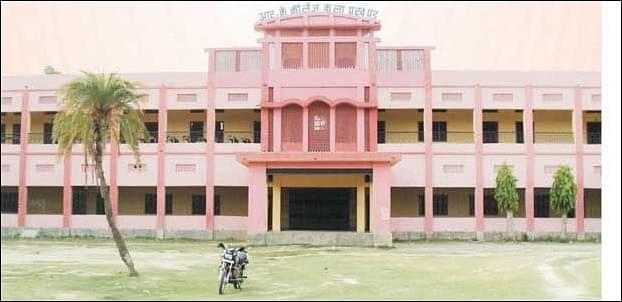
RK College Madhubani
About
OfficialRK College Madhubani is a other institution in Madhubani, established in 1940. RK College Madhubani, established in 1985, is one of Bihar's oldest autonomous colleges situated in the historic Madhubani district. The institution was founded with the mission to provide quality higher education to students from rural Bihar and surrounding regions, addressing the acute educational gap in North Bihar. Over nearly four decades, it has evolved from a traditional undergraduate institution into a multi-disciplinary college offering engineering, science, commerce, and arts programs. The college is recognized by the University Grants Commission and holds NAAC accreditation, reflecting its commitment to academic quality. RK College operates under the autonomous governance model since 2018, granting it curricular and administrative flexibility. The college has 156 faculty members across science, engineering, commerce, and humanities disciplines, with approximately 15% holding doctoral degrees. The campus spans 12.5 acres with a mix of heritage and modern infrastructure. While the college struggles with the disadvantages of rural location in terms of connectivity and exposure, it has carved a niche in engineering and science education within Bihar's tier-2 college landscape. The institution is particularly known for agriculture-based research initiatives, reflecting its regional context. Student intake is approximately 2,847 across all programs, with a significant portion coming from Madhubani, Darbhanga, and surrounding northern Bihar districts. The placement cell has developed relationships with regional manufacturing units, FMCG companies, and IT services firms, though placements remain below national averages. The college's strength lies in affordable education, personalized attention due to smaller class sizes compared to metro colleges, and strong community engagement. However, prospective students must acknowledge limited research infrastructure, minimal exposure to cutting-edge industry practices, restricted internship opportunities beyond the region, and limited alumni networks in metropolitan job markets. The college is ideal for first-generation learners from rural backgrounds who prioritize affordability and foundational education, but less suitable for students seeking metropolitan placement prospects or research-intensive academic environments. Notable recent initiatives include tie-ups with agricultural research institutions and skill development programs in partnership with state-level vocational boards.