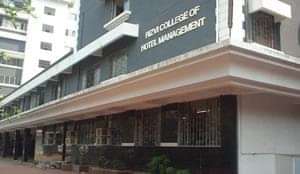
Rizvi College of Hotel Management and Catering Technology
About
OfficialRizvi College of Hotel Management and Catering Technology is a other institution in Mumbai, established in 1992. Rizvi College of Hotel Management and Catering Technology, established in 1821, is one of India's oldest and most prestigious hospitality education institutions, located in the vibrant coastal area of Bandra, Mumbai. Founded as part of the Rizvi Educational Trust, the college has evolved from its historical roots to become a benchmark institution for hospitality management education in South Asia. The college is uniquely positioned in one of Mumbai's most bustling commercial and cultural hubs, offering students direct exposure to a thriving hospitality ecosystem with some of India's finest hotels, restaurants, and event management companies within walking distance. The institution offers comprehensive undergraduate and postgraduate programs across Hotel Management, Catering Technology, Food Production, Bakery and Patisserie, and Event Management. The undergraduate 3-year Bachelor in Hotel Management program is the flagship offering, with an intake of approximately 120 students per batch. The college also runs specialized diploma and advanced diploma programs in Food Production and Bakery Technology, attracting students interested in culinary arts. Postgraduate programs include an MBA in Hotel Management and specialized diplomas in contemporary hospitality domains. Academically, Rizvi emphasizes a blend of theoretical knowledge and hands-on training. The curriculum is designed in consultation with industry experts and regularly updated to reflect evolving hospitality trends—from sustainability in hotels to digital guest management systems. Students undergo mandatory internships in luxury hotels and restaurants, with the college maintaining formal partnerships with Taj Hotels, ITC Hotels, Oberoi Group, and other leading chains. The college operates its own training kitchen and restaurant laboratory where students gain practical experience in food production, beverage service, and kitchen management under faculty supervision. One of Rizvi's defining strengths is its alumni network and industry connections. Graduates are positioned in senior management roles across Marriott International, Hilton, Hyatt, Four Seasons, and numerous Indian hospitality chains. Many alumni have launched their own restaurants, catering companies, and hospitality ventures in Mumbai and beyond. The college maintains active engagement with its alumni community, facilitating mentorship and networking opportunities for current students. Research and innovation at Rizvi focus on sustainable hospitality practices, food science, culinary innovation, and guest experience management. The college conducts regular seminars and workshops featuring industry leaders, food critics, and hospitality entrepreneurs. Faculty members publish research on topics ranging from kitchen waste management to cultural gastronomy. Campus life is vibrant but necessarily different from traditional academic colleges. The centralized urban location in Bandra means most students live off-campus or in nearby paying guest accommodations rather than on a sprawling residential campus. The college organizes culinary competitions, hospitality conferences, cultural events, and sports activities. Student clubs focus on culinary arts, bartending, event management, and hospitality entrepreneurship. The campus itself is compact but well-equipped with demonstration kitchens, a student-run restaurant, a library with hospitality-specific collections, and seminar halls. Placement outcomes are notably strong. The 2023-24 placement rate stood at approximately 95%, with median salaries ranging from 4.2 to 5.8 lakhs per annum for freshers in entry-level hotel management positions (executive trainees), and significantly higher for those securing positions in luxury chains or moving into management consulting. Top recruiters include Taj Hotels, ITC Hotels, Oberoi Group, Marriott International, Hyatt Hotels, Four Seasons, Hilton, Accor Hotels, JW Marriott, The Leela Palaces, Dusit Thani, and food and beverage management companies like Commune and Tamasha. Admissions are merit-based and through the college's entrance examination, typically held in May-June. The entrance exam assesses general knowledge, English, mathematics, and hospitality aptitude. The college seeks students genuinely interested in hospitality careers rather than those viewing it as a fallback option. Eligibility requires 12th pass from a recognized board with minimum 50% marks (45% for reserved categories). Notable challenges and honest considerations: (1) The college is strictly urban and lacks a traditional residential campus experience—students must arrange their own accommodation, which can be expensive in Bandra/suburban Mumbai. (2) Hospitality careers involve irregular hours, shift work, and weekend duties, which can impact work-life balance. (3) The compact campus means limited sports and recreational facilities compared to larger universities. (4) Starting salaries in hospitality are modest compared to IT or finance, though career progression can be lucrative. (5) Job markets can be volatile, especially post-economic downturns or during tourism slumps (as witnessed post-COVID). (6) The college's prestige draws aspirants, but only those with genuine passion for hospitality succeed and remain in the sector long-term. (7) International exposure is limited unless students pursue further studies abroad or secure assignments with international hotel chains. Who should apply: Students passionate about food, service excellence, business, and people management. Ideal candidates are those interested in hotel management, restaurant ownership, event planning, food production, or hospitality consulting. Students should be comfortable with customer-facing roles, shift work, and continuous learning in a dynamic sector. The college suits those seeking immediate career placement and practical exposure over theoretical academics. It is NOT ideal for students seeking purely research-oriented or academic careers, or those uncomfortable with service industry dynamics. Those aspiring for stable 9-to-5 desk jobs should reconsider hospitality as a career path. The college is particularly suited for entrepreneurs and those with ambitions to establish their own hospitality ventures within 5-10 years of graduation.