Ravindra College of Engineering for Women
About
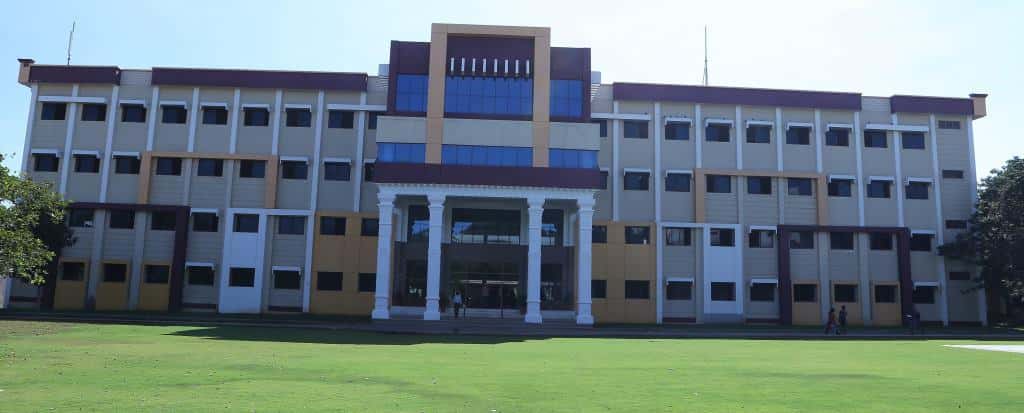
OfficialRavindra College of Engineering for Women is a other institution in Kurnool, established in 2008. Ravindra College of Engineering for Women (RCEW) was established in 2008 as a women-only engineering institution in Kurnool, Andhra Pradesh. Located approximately 500 km southwest of Hyderabad, the college operates under the governance of the Andhra Pradesh State Board of Technical Education and Training (APSBTE) and is affiliated with Jawaharlal Nehru Technological University Anantapur (JNTU Anantapur). The institution was founded with the explicit mission of providing quality engineering education to women students while promoting gender equality in technical fields where women remain underrepresented in India. The college offers undergraduate engineering programs across eight branches: Civil Engineering, Mechanical Engineering, Electrical and Electronics Engineering, Electronics and Communication Engineering, Computer Science and Engineering, Chemical Engineering, Information Technology, and Electronics and Instrumentation Engineering. Each branch typically admits 60 students per batch (intake may vary based on regulatory approval), resulting in a total undergraduate population of approximately 960-1000 students across four years. The college also offers postgraduate programs in select disciplines and conducts research-oriented activities through its affiliated research centers. Academically, RCEW emphasizes a blend of theoretical knowledge and practical application. The curriculum is designed in accordance with JNTU guidelines and regularly updated to align with industry standards and emerging technologies. The institution maintains reasonably equipped laboratories for core engineering disciplines, though infrastructure quality varies across departments—computer science and electronics labs are comparatively better resourced than civil and mechanical engineering workshops. The faculty strength of approximately 185 members includes hold both PhDs and industry experience, though research publication output and PhD researcher numbers remain modest compared to premier institutions. The college library houses approximately 25,000 volumes and provides access to digital resources through institutional subscriptions. Placement performance has been a significant strength. In the 2023-24 academic year, the college reported an overall placement percentage of approximately 82-85%, with median salaries ranging from ₹3.2-3.8 lakhs per annum for CSE/IT graduates and ₹2.4-2.8 lakhs for core engineering branches. Top recruiters include TCS, Infosys, Cognizant, HCL Technologies, Tech Mahindra, Accenture, Deloitte, Capgemini, KPMCE, HCL, Larsen & Toubro, Jindal Steel, Bharat Petroleum, Indian Railways, and various banking and financial services organizations. The IT and CSE branches consistently show placement rates exceeding 90%, while core engineering branches experience lower placement percentages (60-75%) and require students to pursue either higher studies or non-engineering roles. Approximately 15-20% of graduating students pursue higher education through MTech programs, primarily at national institutes and reputable universities. Campus life at RCEW reflects its women-only status, creating a supportive but occasionally insular academic community. The college has active technical clubs including coding clubs, robotics clubs, and IEEE student chapters. Cultural clubs organize annual events including the college's primary fest "Techno-Sparkle" (held typically in March), which features technical competitions, fashion shows, dance performances, and workshops. Sports facilities include a volleyball court, badminton courts, basketball court, and a cricket ground. However, sports participation remains limited compared to coeducational institutions, partly due to smaller student population and sometimes limited encouragement for aggressive competitive participation. The college maintains strict discipline and dress codes, which some students find restrictive while others appreciate the safety-first approach. Hostel facilities are available for approximately 800-1000 students (roughly 40-45% of student population) across multiple buildings. Hostels accommodate 2-4 students per room with basic amenities including attached bathrooms, study tables, and fans/air-coolers. The monthly hostel fee ranges from ₹3500-4500 including mess charges. Mess quality is variable—breakfast typically comprises South Indian items (idli, dosa, upma), while lunch and dinner rotate between vegetarian curries, rice, and wheat-based items. Students frequently report that mess quality depends heavily on the current contractor and can fluctuate month to month. Many hostelers supplement with outside food, making actual food expenditure approximately ₹5500-6500 monthly. WiFi connectivity is available throughout campus and in hostels with reasonable speed (typically 20-30 Mbps), though connectivity can be spotty during peak hours. The college is relatively young and still building its reputation and alumni network. Notable alumni include women engineers working in technology companies like TCS and Infosys, entrepreneurs who've started their own ventures, and some who've pursued advanced degrees at premier institutions. However, compared to older established colleges, RCEW's alumni network remains developing and provides limited networking advantages. The institution does maintain an active placement cell that conducts mock interviews, resume workshops, and organizes campus visits. Kurnool itself is a tier-3 city and district headquarters in Andhra Pradesh, located on the banks of the Tungabhadra River. The city has historical significance (it was the temporary capital of Andhra Pradesh from 1956-1992) but remains largely underdeveloped in terms of modern urban amenities. Living expenses in Kurnool are significantly lower than metro cities—the total monthly budget for a student living off-campus would be ₹8000-12000 including accommodation, food, transport, and entertainment. The city has limited entertainment and dining options compared to Hyderabad or Bangalore, which can make student life feel restrictive, particularly for those accustomed to urban environments. However, the low cost of living makes education here economical. Who should apply: RCEW is ideal for women students seeking quality engineering education in a supportive, women-centric environment with strong placement prospects in IT/CSE sectors. It suits candidates from smaller towns and rural areas comfortable with a structured, disciplined campus culture and willing to trade off urban amenities and vibrant city life for affordable education and close peer support. Students strong in core subjects and interested in networking-heavy career growth should be aware that the developing alumni network may provide less advantage compared to established tier-1 institutions. Those seeking maximum campus diversity and cosmopolitan exposure may find the restricted location and women-only policy limiting. The college is particularly strong for candidates from Andhra Pradesh state due to dominant local recruitment patterns and familiarity with the institution's academic standards.