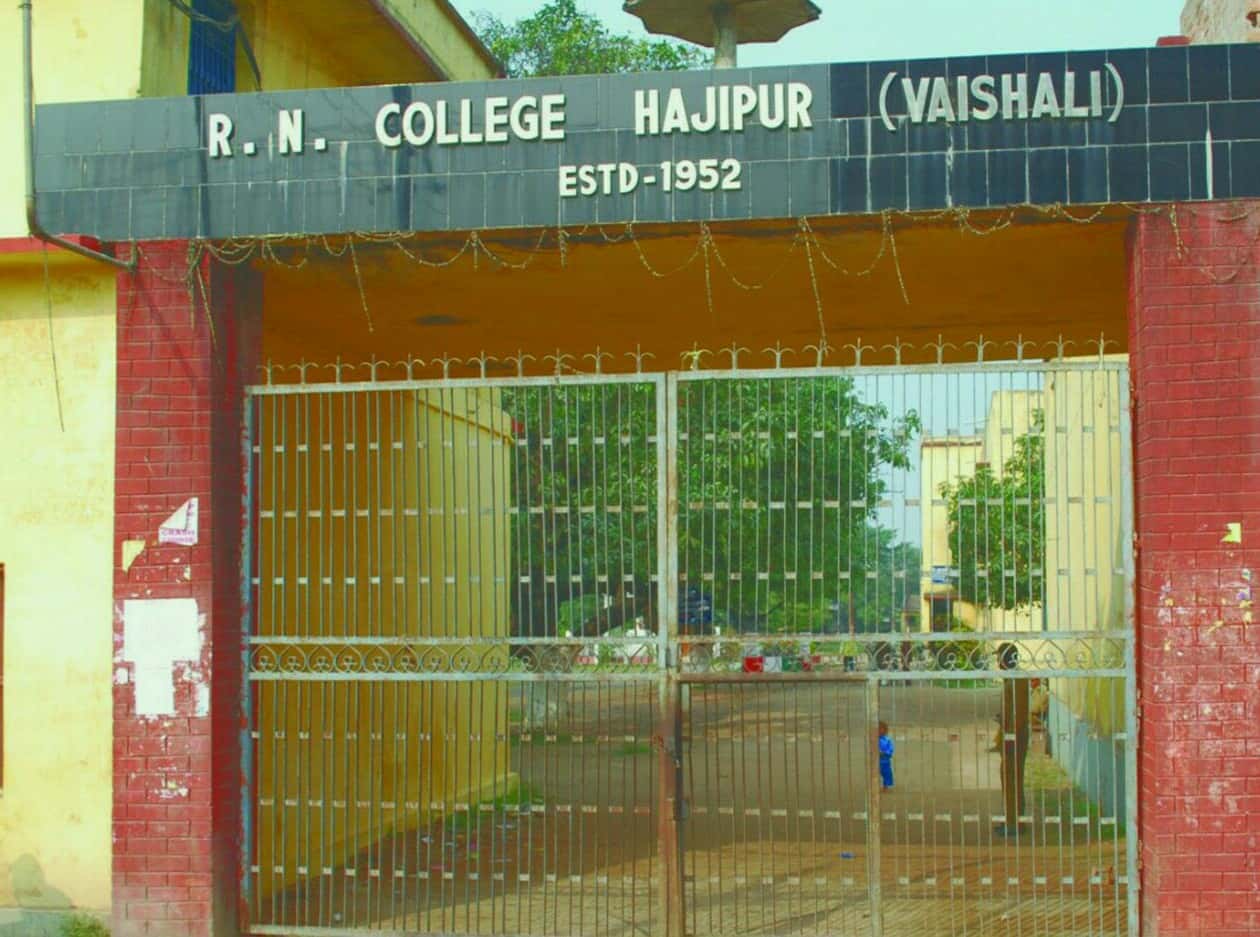
Raj Narain College
About
OfficialRaj Narain College is a public institution in Hajipur, established in 1952. Raj Narain College, established in 1947 in Hajipur, Vaishali District, Bihar, is one of the oldest and most respected autonomous institutions in Bihar. Named after freedom fighter Raj Narain, the college was founded with the vision of providing quality higher education to students from Bihar and neighboring regions. Over seven decades, it has evolved into a significant educational institution serving approximately 2,840 students across undergraduate and postgraduate programs. The college received autonomous status in 2007, which enabled it to design its own curriculum, conduct examinations independently, and offer diverse academic programs aligned with national standards. Hajipur, the district headquarters of Vaishali, is strategically located 40km north of Patna on the banks of the Ganges River, making it accessible yet relatively isolated from major metropolitan centers. Geographically, this positioning has both advantages and challenges for students seeking quality education in a semi-urban setting. The college campus spans 8.5 acres with a mix of heritage colonial architecture and modern academic buildings, creating a blend of tradition and contemporary infrastructure. Academically, Raj Narain College offers 28 undergraduate programs spanning Science, Commerce, and Arts disciplines, along with 12 postgraduate programs including M.A., M.Sc., and M.Com degrees. The Science faculty is particularly strong, offering courses in Physics, Chemistry, Biology, Mathematics, Computer Science, and Botany. The college has developed decent research infrastructure with 14 departmental labs equipped for undergraduate and postgraduate research. Faculty strength stands at 156 members, of which approximately 34% hold PhD qualifications. The college emphasizes research and has established 3 research centers focused on Environmental Science, Agricultural Chemistry, and Social Development Studies. Industry partnerships include collaborations with organizations like IIT-BHU, Patna University, and several NGOs working on rural development. Placements have shown improvement over recent years, with 2023-24 data indicating a 67% placement rate for undergraduate students and 72% for postgraduate students. Top recruiters include government departments, educational institutions, and some private sector companies like HCL, TCS, and Infosys, though campus recruitment remains limited compared to tier-1 institutions. Average salaries for engineering and technology roles range from 280,000-420,000 INR annually, while commerce and arts graduates typically secure positions in 240,000-350,000 INR range. The institution is particularly known for producing teachers, civil service aspirants, and researchers. Notable alumni include Dr. Arun Kumar Singh (IAS officer, batch 1985), Professor Rekha Sharma (renowned historian, batch 1990), and Rajesh Verma (senior journalist, batch 1988). Campus life at Raj Narain College reflects a balance between academic rigor and cultural engagement. The college hosts annual fests including 'Vasantik' (cultural festival in March), 'ScienceQuest' (technical festival in November), and sports day 'Athletic Carnival' in February. Student clubs include debate society, dramatic club, photography club, entrepreneurship cell, and various departmental associations. However, student sentiment indicates concerns about infrastructure limitations, with aging lab equipment, limited computing resources, and outdated library systems being common complaints. The college library holds 52,000 books but struggles with digital resource access. WiFi coverage is sporadic, limited primarily to administrative blocks and main classrooms. One significant strength is the relatively inclusive academic culture and faculty accessibility. Professors maintain open office hours and are generally responsive to student concerns. The college maintains a progressive stance on women's education with 48% female enrollment and dedicated support through the women's development cell and anti-harassment committee. Hostel facilities are available but basic—the college operates 3 hostels accommodating roughly 420 students. Hostel quality is rated as 'average' with mixed amenities. The mess food is considered acceptable but repetitive. A major drawback is the limited availability of hostels relative to demand, forcing many out-of-state students to seek private accommodation in Hajipur. Safety on campus is generally good, with CCTV coverage in most areas and a proactive security team. However, ragging incidents have been occasionally reported, though the college has taken corrective measures with strict anti-ragging policies and regular awareness sessions. For women students, the campus is considered relatively safe with dedicated female security staff and women-only zones in hostels. The college is recommended for students seeking affordable, quality education in humanities, sciences, and social sciences, particularly those aspiring for government jobs, academia, or research careers. It is less suitable for students targeting immediate high-salary placements in IT or management consulting. Students value the college's academic integrity, faculty mentorship, and low fee structure. The primary cons are geographic isolation from major job markets, limited industry partnerships, inadequate digital infrastructure, and limited hostel capacity. The institution's strength lies in its humanities and social sciences education, coupled with genuine faculty-student relationships and a culturally vibrant campus community. Raj Narain College is ideal for students from Bihar or Eastern India seeking quality liberal education at affordable costs, with long-term aspirations in government service, academia, or research rather than immediate corporate placements.