PYDAH KAUSHIK COLLEGE OF ENGINEERING
About
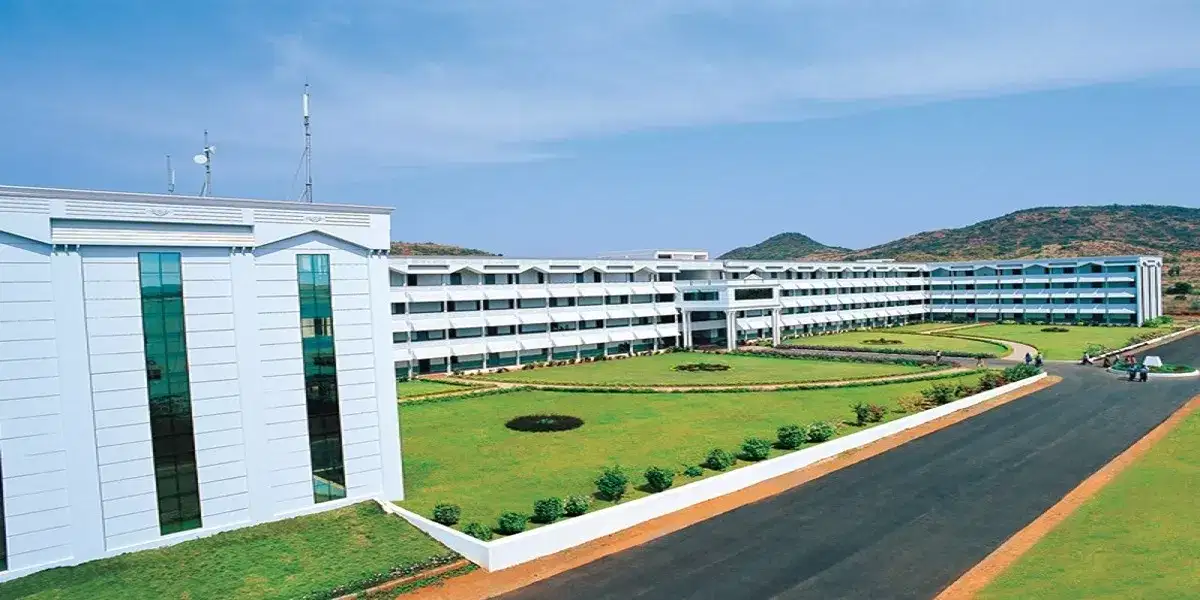
OfficialPYDAH KAUSHIK COLLEGE OF ENGINEERING is a other institution in Visakhapatnam, established in 2006. Pydah Kaushik College of Engineering (PKCE), established in 2007, is a private engineering institution located in Visakhapatnam, Andhra Pradesh. Founded by the Pydah Group of Industries, a diversified conglomerate with significant presence in pharmaceuticals, real estate, and engineering, the college was envisioned to provide quality engineering education aligned with industry requirements. Over the past 17 years, PKCE has evolved into one of the mid-tier engineering colleges in Andhra Pradesh, primarily serving students from Andhra Pradesh, Telangana, and neighboring states. The college is affiliated with Andhra University (formerly JNTUK before restructuring) and offers undergraduate and postgraduate programs across multiple engineering disciplines. The institution is housed on a 28-acre suburban campus in Madhurawada, positioned strategically between the IT corridor and established industrial zones, providing both academic tranquility and proximity to industry connections. PKCE offers 8 undergraduate engineering programs with a total intake capacity of approximately 800 students per academic year, distributed across Civil, Mechanical, Electrical & Electronics, Electronics & Communication, Computer Science & Engineering, Chemical Engineering, Petroleum Engineering, and Information Technology branches. At the postgraduate level, the college offers M.Tech programs in select specializations with an annual intake of around 120 students. The curriculum is designed to balance theoretical knowledge with practical application, incorporating project-based learning, internships, and industry collaborations. The college has established MOUs with approximately 35 companies for student internships, live projects, and faculty development. Research activities are concentrated in Civil Engineering (sustainable construction materials, water resource management), Mechanical Engineering (thermal systems, manufacturing automation), Electronics & Communication (wireless communications, signal processing), and Computer Science (machine learning applications, blockchain). The institution has a functional research center focused on renewable energy and sustainable development, though research output measured by peer-reviewed publications remains modest compared to tier-1 institutions. The college library houses approximately 28,000 books, 15 national and international journal subscriptions, and digital access to engineering databases through AICTE-sponsored platforms. Computing infrastructure includes 8 well-equipped computer labs with approximately 320 systems, separate labs for each engineering discipline, and a newly established Innovation & Entrepreneurship Cell with 3D printing facilities. The campus features adequate classroom blocks, seminar halls, a 400-seat auditorium suitable for conferences and cultural events, and departmental laboratories spread across engineering disciplines. Placement and internship cell maintains direct relationships with 185+ companies across IT, manufacturing, core engineering, and consulting sectors. During 2023-24, the institution achieved an overall placement rate of approximately 78% across all branches, with significant variation by program—CSE and IT consistently achieving 95%+ placement, while Civil Engineering and Petroleum Engineering achieving 55-65% placement rates. Average salary across placed students stands at approximately INR 4.2 lakhs per annum, with median around INR 3.8 lakhs. The highest salary recorded was INR 18 lakhs for a CSE graduate placed at a fintech startup, though such outliers are rare. Top recruiters include TCS, Infosys, Wipro, HCL, Cognizant, Tech Mahindra, Deloitte, KPMG, various pharmaceutical companies, and manufacturing firms like Sona BLW. The college has produced several notable alumni now working in senior positions at multinational companies, startups, and government organizations, though it does not have many C-suite executives or internationally recognized figures. Campus life is reasonably vibrant with 35+ student clubs spanning technical societies (programming clubs, robotics, civil engineering symposium), cultural organizations (dance, music, drama), sports teams, and entrepreneurship clubs. Annual technical fest "TECHNOVATE" attracts participants from neighboring colleges and includes competitions in coding, hardware, paper presentations, and business plan contests. Cultural fest "CRESCENDO" showcases student talent across music, dance, drama, and arts. Sports facilities include a 400-meter athletic track, volleyball and badminton courts, table tennis area, and cricket ground. Hostel accommodation is available with approximately 960 beds distributed across 6 hostels (4 for boys, 2 for girls), meeting about 40% of on-campus accommodation demand; remaining students live in nearby paying guest accommodations. Hostel quality is average with basic amenities, 3-4 students per room, shared bathrooms, and variable maintenance standards. Mess food quality receives mixed reviews with predominantly vegetarian fare, though non-vegetarian options available on specific days. Internet connectivity throughout campus operates at 10 Mbps, though speeds often degrade during peak usage hours. Safety for women students is reported as generally safe with functional anti-ragging mechanisms, though occasional complaints about late-night transportation and boundary security exist. The college maintains zero-tolerance ragging policy with active grievance redressal mechanisms, and instances of ragging have been reported as rare. Visakhapatnam location provides significant advantages—the city serves as a secondary IT hub for companies establishing centers, has an active shipbuilding and pharmaceutical industry, and offers reasonable living costs compared to metro cities. The city's maritime economy, port facilities, and emerging tech parks create internship and placement opportunities for students in diverse sectors. For students relocating to the city, Visakhapatnam offers good connectivity to educational facilities, medical services, entertainment zones, and coastal proximity for lifestyle balance. PKCE is particularly suitable for students who prioritize hands-on learning, value industry-connected education, seek mid-tier institutional environment avoiding overwhelming competition, or are from middle-class backgrounds seeking quality engineering education at relatively moderate fees. The college is less ideal for students aspiring to IIT-equivalent research opportunities, those seeking scholarship-heavy funding, or those targeting top-tier consulting and banking placements that predominantly recruit from tier-1 institutes. The institutional culture emphasizes practical skills development, ethics, and social responsibility with active student projects in local community development. The college's affiliation with a diversified industrial group (Pydah Group) occasionally provides internship opportunities at group companies, though this benefit is not systematically leveraged for all students. Overall, PKCE represents a solid mid-tier engineering option for students seeking quality education with reasonable placement outcomes in a growing city.