Pydah College for PG Studies
About
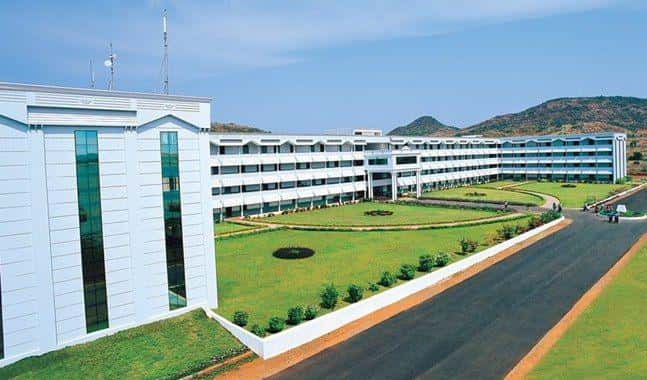
OfficialPydah College for PG Studies is a other institution in Visakhapatnam. Pydah College for PG Studies is a reputed postgraduate institution located in Visakhapatnam, Andhra Pradesh, established in 1997 as a pioneering venture in higher education in coastal Andhra Pradesh. The college is situated in the educational hub opposite Andhra University, which provides it strategic proximity to one of India's oldest and most respected central universities. The institution was founded with the vision of providing quality postgraduate education accessible to students from middle-class backgrounds, emphasizing merit-based admissions and affordable fee structures compared to private universities in metropolitan cities. Over the past 27 years, Pydah has evolved into a multi-disciplinary postgraduate teaching institution with a strong focus on academics, research, and industry-relevant skill development. The college offers Master's degree programs spanning Engineering, Management, Sciences, and Arts & Humanities disciplines, serving approximately 2,800 students across 40+ postgraduate programs. The institution has systematically built its faculty strength to over 185 dedicated academics, many holding PhD qualifications and maintaining active research profiles. The college's unique positioning caters primarily to students seeking affordable, quality postgraduate education without geographic relocation to metros like Bangalore, Hyderabad, or Delhi. This demographic is particularly important for Andhra Pradesh's engineering and management aspirants who wish to study near their home states while accessing metropolitan-quality infrastructure and faculty. Pydah's strength lies in its strong industry connections in Visakhapatnam's growing IT, manufacturing, and pharmaceutical sectors. The college has established partnerships with prominent companies including TCS, Infosys, Cognizant, and Hindustan Shipyard Limited, which actively participate in campus placements and internship programs. The placement record has shown consistent improvement, with recent batches achieving 72-78% placement rates, though this varies significantly by discipline—IT and Management programs achieving 85%+ placements while pure Sciences programs hover around 55-65%. The institution's research environment has strengthened considerably, with faculty publishing in UGC-approved journals and students undertaking industry-relevant projects. However, the research output remains modest compared to older institutions like Andhra University or Delhi University. The college maintains adequate infrastructure including computer labs, library resources (both physical and digital), seminar halls, and recreational facilities, though some facilities show signs of age and could benefit from modernization. The hostel facility accommodates approximately 400 students across segregated men's and women's wings, offering budget-friendly accommodation at competitive rates. The mess facility serves multi-cuisine meals with student feedback indicating average-to-good quality. Campus life is reasonably vibrant with student clubs focused on academics, cultural activities, and entrepreneurship, though the intensity of extra-curricular activities is moderate compared to premier institutions. The college maintains strong academic discipline and code of conduct policies, with rare incidents of ragging reported. Safety for women students is considered good, with dedicated hostel security, CCTV coverage, and regular counseling support. The institution is particularly recommended for students seeking affordable postgraduate education in Andhra Pradesh, those preferring city-based learning with access to IT and manufacturing industries, students unable to afford private universities in metro cities, and working professionals pursuing part-time Master's programs. The college is less ideal for students seeking cutting-edge research environments, those prioritizing extensive campus amenities, or candidates requiring metropolitan ecosystem exposure. The campus culture emphasizes academic excellence, professional ethics, and practical skill development, with a notably more serious and work-focused atmosphere compared to undergraduate institutions. The student community is generally diverse, including regular postgraduate students, working professionals, and aspirants from lower-middle-class family backgrounds, creating a relatively grounded and motivated peer environment.