PROVIDENCE COLLEGE OF ENGINEERING
About
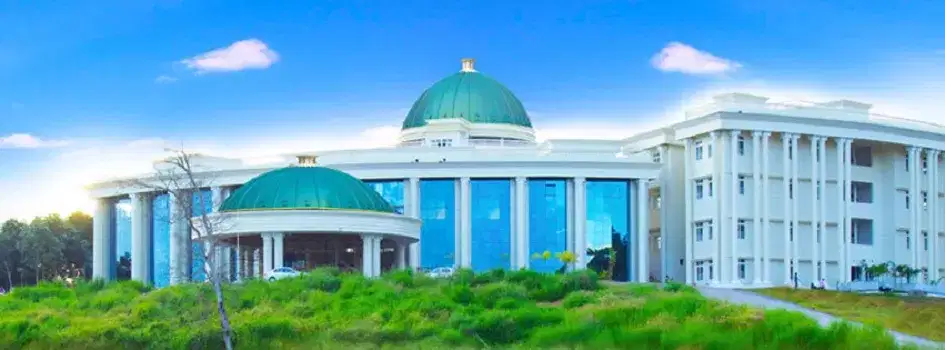
OfficialPROVIDENCE COLLEGE OF ENGINEERING is a other institution in Chengannur, established in 2015. Providence College of Engineering (PCE), established in 1998 and affiliated with APJ Abdul Kalam Technological University (AKTU), Kerala, stands as one of Kerala's prominent private engineering institutions. Located in Chengannur, a quiet town in Alappuzha district, the college has grown from modest beginnings to become a significant player in Kerala's engineering education landscape, with consistent focus on blending traditional academic rigor with contemporary industry demands. The college operates multiple engineering disciplines across undergraduate (BTech) and postgraduate (MTech) programs. Its four-year BTech programs include Computer Science & Engineering, Electronics & Communication Engineering, Mechanical Engineering, Civil Engineering, Electrical & Electronics Engineering, and Information Technology. Postgraduate programs in specialized fields like VLSI Design, Power Systems, and Advanced Manufacturing complement the undergraduate offering. The college also maintains a strong diploma program for ITI students seeking advanced qualifications. With an annual intake exceeding 800 UG students spread across 10+ branches, PCE maintains a student-faculty ratio that allows reasonable interaction despite the large student base. Academically, PCE emphasizes a blend of theoretical knowledge and practical skill development. The curriculum follows AKTU guidelines with regular updates to remain relevant to industry needs. Departments have invested in domain-specific labs including microprocessor labs, control systems, CAD/CAM facilities, and networking labs. The college has particularly strengthened its CSE and ECE departments through industry partnerships with IT companies, resulting in curriculum inputs from companies like Infosys, TCS, and Wipro. Research activity remains moderate; while the college encourages faculty research, publication output is below top-tier institutions. Several faculty members hold PhDs, though the percentage hovers around 40-45%, which is respectable for a private engineering college in Kerala but lower than IITs/central universities. Placement outcomes represent a significant strength. Over the past three academic years (2021-24), the college has maintained placement percentages ranging from 82-89% across branches. The median salary for engineering graduates stands at approximately 4.8 lakhs INR annually, with IT/CSE roles commanding 5.5-6.2 lakhs and core engineering roles ranging 3.8-4.5 lakhs. Top recruiters include established IT companies (TCS, Infosys, Cognizant, Wipro, HCL, Tech Mahindra), financial services firms (Accenture, Capgemini), and manufacturing firms (Bosch, Bharat Petroleum, L&T). Notably, PCE has developed strong placement partnerships with Kerala-based PSUs and manufacturing units, providing opportunities beyond the usual IT corridor placements. However, off-campus placements and entrepreneurial pursuits are limited; the college culture emphasizes securing corporate roles over startup ventures. Campus infrastructure reflects investment over the past decade. The 45-acre campus houses modern academic buildings with well-equipped laboratories, though some older blocks show maintenance concerns. The library holds approximately 45,000 volumes with digital access to IEEE Xplore and journal databases. Internet connectivity covers the campus at decent speeds (25-30 Mbps in academic areas, variable in hostels). A new innovation and entrepreneurship center was established in 2021, though its utilization remains below potential. The campus lacks cutting-edge research facilities typical of top institutions; the computing infrastructure, while adequate for UG labs, is dated for advanced research. Sports facilities include a football ground, cricket pitch, and basic gymnasium, though Olympic-standard facilities are absent. Student life at PCE is heavily academic-focused with moderate extracurricular engagement. The college hosts TechFest (annual technical festival in January-February), various departmental seminars, and student clubs spanning technical societies, cultural groups, and entrepreneurship cells. Cultural life is present but not vibrant; students report that the rural location and rigorous academic schedule limit spontaneous social activities. Hostel accommodation is available for approximately 60% of the student population, with separate facilities for boys and girls. Hostel life is functional but basic—double-occupancy rooms, standard mess food (mostly vegetarian with limited non-veg options), and shared facilities. Many local students commute daily via local buses or two-wheelers, which reduces on-campus student presence outside class hours. Student diversity at PCE is primarily intra-Kerala and limited pan-India representation. Approximately 75-80% of students are from Kerala, 15-18% from other Indian states, and minimal international presence. This creates a strong regional character, which can be both an advantage (cultural familiarity, language ease) and a limitation (reduced diversity of thought). Female representation varies by branch; CSE typically has 25-30% female students, while Mechanical Engineering remains around 10-15%, reflecting pan-India engineering trends. The college's strategic location in a quiet, semi-urban environment presents trade-offs. Chengannur is approximately 40km from Alappuzha, 80km from Kochi (the nearest major city), and well-connected by state buses. The calm environment supports focused academics but limits cultural exposure and entertainment options. Weekend commutes to Kochi are feasible for those seeking urban amenities. The region experiences Kerala's tropical climate with heavy monsoons (June-September), which occasionally disrupts campus activities and commutes. Strengths of PCE include its established placement network, particularly strong in IT placements, consistent academic outcomes, affordable fee structure compared to comparable private colleges, and growing industry partnerships. Faculty are generally accessible and student-friendly, with most departments showing enthusiasm for their subjects. The college administration is responsive to student concerns, and the process for grievance redressal is reasonably transparent. Weaknesses include limited research output and facilities for advanced research, lack of vibrant campus culture and student activities, modest international collaborations, and minimal innovation in pedagogy (heavy reliance on traditional lectures). The rural setting, while academically conducive, limits exposure to contemporary industry practices and startup ecosystem. Ragging incidents, though officially zero-tolerance, have occasionally surfaced; the college's response has been mixed, with some cases handled promptly and others requiring intervention from external bodies. PCE is ideally suited for students seeking quality engineering education with strong placement outcomes in an affordable package, particularly those from Kerala or comfortable with regional campus settings. It appeals to academically motivated students less interested in the startup/innovation ecosystem and more focused on conventional corporate career paths. The college is less ideal for those prioritizing research opportunities, international exposure, or vibrant campus life; for such aspirations, IITs, top NITs, or metropolitan private institutions would be better choices. Students comfortable with regional language/culture integration, seeking value-for-money engineering education, and targeting IT or traditional manufacturing sectors will find PCE a solid choice.