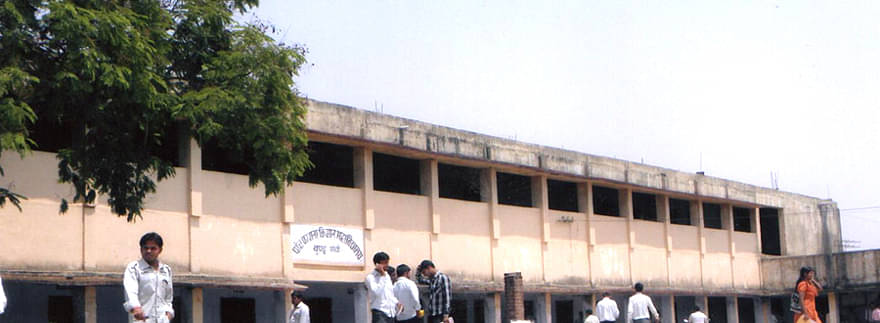
Panch Pargana Kisan College
About
OfficialPanch Pargana Kisan College is a other institution in Ranchi, established in 1972. Panch Pargana Kisan College (PPKC), established in 1963 in Ranchi, Jharkhand, is one of the region's most respected agricultural and general science institutions. Founded by a consortium of progressive zamindars and rural development enthusiasts, the college was conceived as a bridge between traditional agricultural practices and modern scientific methods during India's post-independence developmental phase. The institution emerged from a genuine commitment to rural education and has maintained that ethos for over six decades, serving primarily students from the agrarian communities of Jharkhand, Bihar, and Odisha. The college's academic portfolio spans Agriculture (the flagship discipline), Agricultural Engineering, Home Science, Commerce, Arts, and increasingly, Applied Sciences. PPKC's Agriculture program is particularly well-regarded across eastern India for its hands-on approach, integrating classroom learning with field work at its own 12-acre agricultural research farm where students gain practical experience with crop management, soil science, horticulture, and livestock farming. The Agricultural Engineering department stands out for training technicians and engineers who directly support rural mechanization initiatives. What genuinely distinguishes PPKC is its deep connection to agricultural livelihoods and rural development. The college operates extension programs that reach farming communities across Jharkhand, conducting soil testing services (approximately 3,000 samples annually), advising on crop diversification, and organizing farmer workshops. Faculty members frequently serve as consultants to state agricultural departments and NGOs. This applied research orientation means students encounter real-world agricultural challenges during their coursework—not as abstract cases, but as ongoing institutional priorities. The campus sits in Ormanjhi, a semi-rural locality about 25 km from central Ranchi. This positioning is both an asset and a limitation: students gain proximity to actual agricultural communities and field sites, but face limited urban amenities and entertainment options. The 28-acre campus includes modern laboratory facilities for soil science, plant tissue culture, seed technology, and farm machinery testing. The college library houses approximately 45,000 volumes, with growing digital access to agricultural journals and scientific databases. Placement outcomes are respectable but regionally concentrated. Roughly 65-70% of agriculture graduates secure placement in state agricultural departments, cooperative societies, fertilizer and agribusiness companies, or pursue further studies. The median starting salary for agriculture engineers is ₹280,000-320,000 annually, with top recruiters including ICAR institutes, seed companies like Nuziveedu Seeds and Syngenta, and state agricultural marketing boards. However, unlike engineering-focused colleges, PPKC does not compete for tier-1 corporate placements or metropolitan tech roles. Notable alumni include Dr. Rajesh Sharma (ICAR soil scientist, known for developing phosphate-solubilizing microbes for marginal lands), Priya Kumari (founder of an organic certification cooperative serving 2,400 farmers), and Vikram Singh (head of agricultural extension, Jharkhand State Agriculture Department). These alumni exemplify the college's trajectory: producing professionals who serve rural India's productive sectors rather than chasing urban corporate careers. The college genuinely suits students passionate about agriculture, rural development, scientific farming, or agricultural administration—particularly those from farming backgrounds who wish to formalize their knowledge. It is less suitable for students seeking generic arts/commerce degrees or those prioritizing metro-scale placements and cosmopolitan campus life. Academic rigor in core agricultural sciences is solid; faculty expertise is substantial, though research output (in terms of publications and patents) lags significantly behind centrally-funded agricultural universities. Infrastructure for core agriculture is excellent; infrastructure for general sciences, acceptable. Student life at PPKC is understated but substantive. The culture emphasizes practical learning, community engagement, and rural awareness—not campus glamour. Hostel life is Spartan but functional. The college actively discourages ragging and maintains a safe, inclusive environment. Women students, though numerically smaller (roughly 35% of enrollment), report feeling supported, particularly in agriculture and home science disciplines where female faculty mentorship is strong. The nearest major city (Ranchi) provides occasional weekend diversions, but students should not expect a vibrant college-town atmosphere.